


Listen to the article
Canada Loses Measles Elimination Status as Public Health Systems Falter
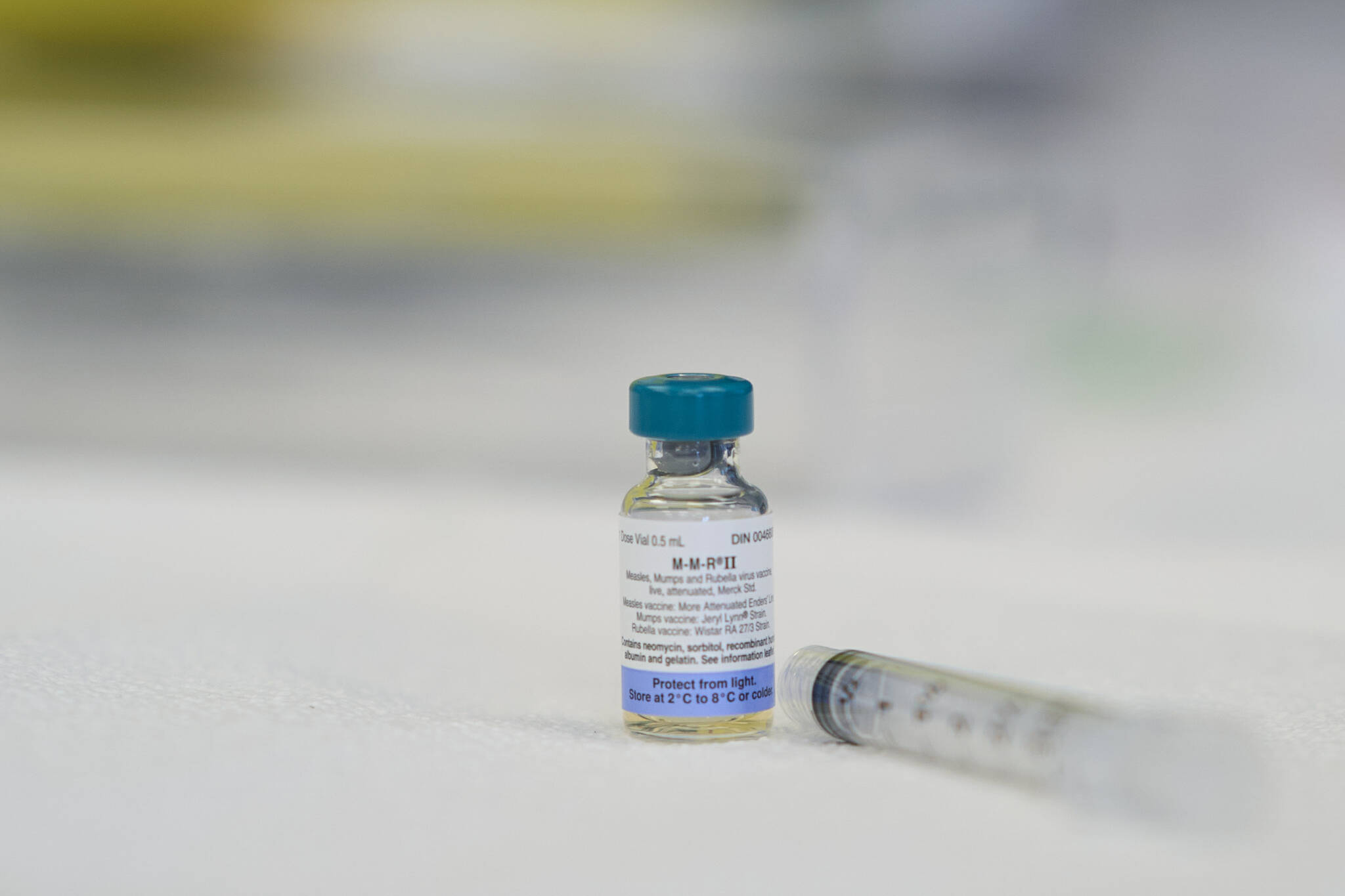
Canada has lost its measles elimination status for the first time since 1998, a development that health experts are calling both preventable and symptomatic of deeper problems in the country’s public health infrastructure. The Pan American Health Organization revoked the status after outbreaks across multiple provinces persisted for more than a year, with authorities unable to contain the virus’s spread.
This setback represents more than just an international embarrassment—it signals a significant regression in Canada’s once-lauded vaccination program and public health capabilities.
Public health officials point to several interconnected factors driving this crisis. The anti-vaccination movement, which gained considerable momentum during the COVID-19 pandemic, has played a central role in eroding vaccination rates. But structural issues have compounded the problem.
“Canada’s failure to maintain its measles-free status reflects years of under-investment in public health, the absence of a national vaccine registry, a worsening shortage of family doctors and a lack of political will to push back against dangerous misinformation about vaccines,” said one public health expert familiar with the situation.
Public health departments nationwide have been operating with diminished resources for years. Many units lost staff during the pandemic and never recovered to pre-COVID levels. This staffing shortage has severely limited outreach efforts, making it difficult to track under-vaccinated communities or provide adequate education about immunization.
The lack of a national vaccine registry further complicates matters. Many Canadians cannot easily access their immunization records, especially if they’ve moved between provinces. Records are fragmented across different provincial systems, and paper immunization cards are frequently lost. This fractured approach to tracking vaccinations makes it nearly impossible to identify vulnerable populations or target intervention efforts effectively.
“That’s unacceptable in 2025,” noted a statement from a coalition of public health advocacy groups responding to the announcement.
Primary care access issues have also contributed significantly to the problem. Approximately 6.5 million Canadians lack a family doctor, according to recent estimates. Without consistent primary care, routine vaccinations often go unadministered. While pharmacies can provide some vaccines, they typically cannot immunize very young children, leaving a critical gap in coverage for the most vulnerable age group.
Measles is among the most contagious viruses known to medical science, requiring a population immunity rate of at least 95 percent to prevent transmission. The disease can cause severe complications including pneumonia, encephalitis (brain swelling), and in rare cases, death. Before widespread vaccination, measles caused hundreds of thousands of deaths globally each year.
Health authorities emphasize that reclaiming Canada’s measles elimination status will require concerted effort on multiple fronts. The country must not only stop transmission for at least 12 consecutive months but also demonstrate substantial improvements in surveillance systems and vaccination coverage rates.
“We need tougher enforcement of school vaccination policies,” said one epidemiologist. “Vaccination should be the default expectation, not an optional lifestyle choice. Exemptions should only be allowed for legitimate medical reasons.”
Public health experts are calling for aggressive, ongoing public education campaigns to combat misinformation. Many note that social media platforms have become powerful amplifiers of vaccine conspiracy theories, while government messaging has been inconsistent and reactive rather than proactive.
Regaining the measles-free designation will require significant investment in public health infrastructure, improved data sharing between provinces (if not a full national registry), solutions to the primary care crisis, and stronger policies to boost vaccination rates.
The setback comes as a particular shock to a country that once prided itself on being a global leader in disease prevention. Health policy analysts suggest this should serve as a wake-up call about the consequences of neglecting public health fundamentals.
“Reclaiming Canada’s measles-free status will take time, money and political courage,” said one health policy researcher. “But more than anything, it will take a recommitment to the simple idea that science, not ideology, should guide public health decisions.”
As officials begin the long process of strengthening systems and rebuilding vaccination rates, many Canadians are left wondering how a once-exemplary public health program could have deteriorated so dramatically in just a few years.
Fact Checker
Verify the accuracy of this article using The Disinformation Commission analysis and real-time sources.

10 Comments
This is a worrying trend. Maintaining high vaccination rates is crucial for public health, especially for vulnerable populations. More needs to be done to counter misinformation and strengthen the capacity of our healthcare systems.
You’re right, this highlights the importance of science-based policymaking and investing in robust public health infrastructure.
It’s concerning to see Canada lose its measles elimination status. Increased complacency and political polarization around vaccination are major challenges. Rebuilding trust in public health institutions will be critical going forward.
Agreed. Tackling misinformation and restoring confidence in vaccines should be top priorities to prevent further setbacks.
This is a disappointing development. Maintaining herd immunity requires consistent high vaccination rates. Addressing the root causes – like healthcare access issues and the spread of anti-vax rhetoric – is essential.
You make a good point. A comprehensive, evidence-based approach is needed to strengthen public health systems and protect communities.
This is a concerning development that highlights the fragility of public health progress. Addressing the complex mix of factors – from healthcare access to political polarization – will be crucial to regaining and sustaining measles elimination status.
Well said. Strengthening the resilience of our public health systems is key to protecting communities and preventing future setbacks.
The loss of Canada’s measles-free status is a wake-up call. Vaccination hesitancy fueled by misinformation is a serious threat that demands a robust, coordinated response from policymakers and public health authorities.
Agreed. Rebuilding trust in science-based public health measures should be a top priority to prevent future outbreaks.