


Listen to the article
South Carolina’s measles outbreak continues to expand, with health officials now reporting 30 confirmed cases in the Upstate region, including eight new infections documented this week alone. The situation has prompted state health authorities to address widespread disinformation contributing to vaccine hesitancy in the region.
Dr. Linda Bell, state epidemiologist for the South Carolina Department of Public Health, emphasized that public health officials had been monitoring outbreaks elsewhere in the country and had response plans in place before the first cases appeared in the state in July.
“We most certainly did have response plans already in place before even our imported cases were recognized,” Bell stated.
The current outbreak was officially identified on October 2, with the first three cases initially considered isolated incidents. These early cases, combined with the linked outbreak, bring South Carolina’s total to 33 measles infections this year.
Public health experts had warned about the possibility of an outbreak in South Carolina as early as March. Bell and other medical professionals specifically identified the Upstate region as particularly vulnerable due to lower vaccination rates compared to other parts of the state.
The surge in measles cases in South Carolina, along with growing outbreaks in Utah and Arizona, now threatens America’s status as a country that had eliminated endemic measles transmission. The United States had achieved this public health milestone in 2000, but increasing vaccine hesitancy and declining immunization rates have created conditions for the disease to resurge.
Bell addressed several misconceptions fueling vaccine reluctance, particularly challenging the dangerous belief that natural infection provides better immunity than vaccination. Some parents have deliberately exposed their children to measles rather than choosing immunization.
“That is putting people, particularly young children, at risk for severe complications of an infection which can include hospitalization, pneumonia and even death,” Bell warned.
The dangers of measles are significant and well-documented. According to the Centers for Disease Control and Prevention, one in every 20 children infected with measles develops pneumonia, the most common cause of measles-related deaths in young children. The mortality rate ranges from one to three deaths per 1,000 infected children due to severe complications.
The resurgence of measles reflects a troubling national trend. Before widespread vaccination, measles caused an estimated 400-500 deaths annually in the United States, with tens of thousands of hospitalizations and about 1,000 cases of permanent brain damage from encephalitis. The development of the measles vaccine in the 1960s dramatically reduced these numbers.
Public health officials attribute the current situation to declining vaccination rates, which have fallen below the 95% threshold needed for herd immunity in some communities. When vaccination rates drop, the disease can quickly spread among unprotected individuals, particularly in settings like schools, daycares, and other places where people gather in close proximity.
The Upstate region’s vulnerability stems from a combination of factors, including the spread of vaccine misinformation on social media, growing distrust in public health institutions, and communities with historically lower vaccination compliance.
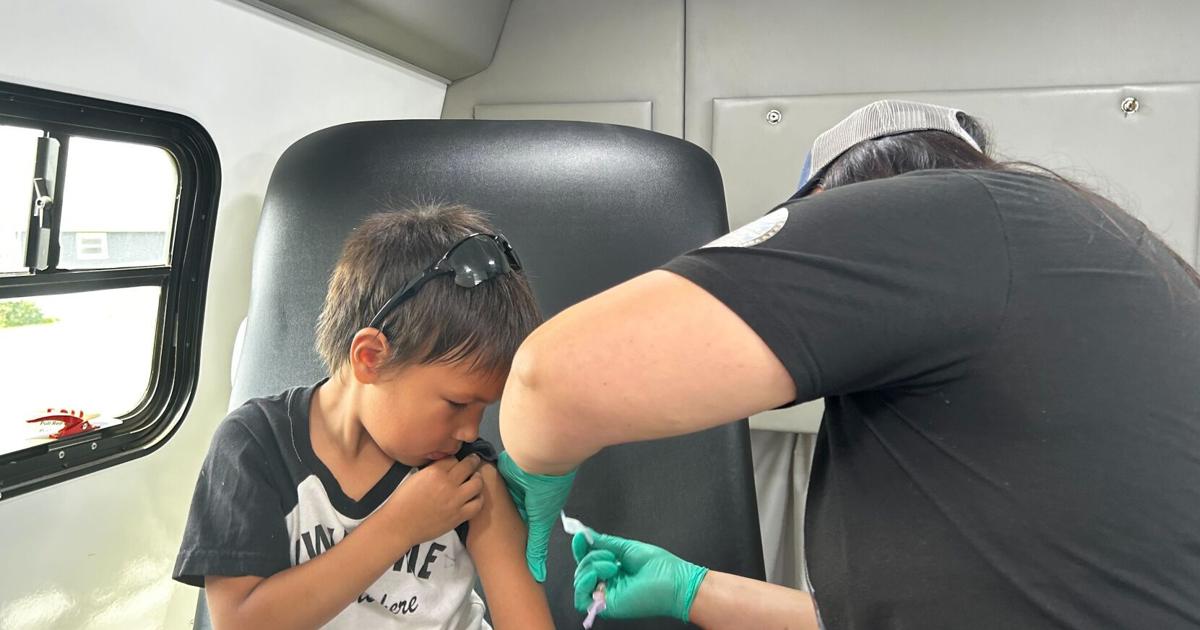
Health departments across South Carolina have responded by enhancing vaccination campaigns, conducting contact tracing for infected individuals, and working with schools and community organizations to provide accurate information about measles and the safety of vaccines.
Medical experts emphasize that the MMR (measles, mumps, rubella) vaccine is extraordinarily safe and effective, with decades of safety data and billions of doses administered worldwide. Two doses of the vaccine are approximately 97% effective at preventing measles infection.
As the outbreak continues to evolve, health officials urge parents to ensure their children are up-to-date on vaccinations and to seek immediate medical attention if symptoms such as high fever, cough, runny nose, red eyes, and the characteristic rash appear.
Fact Checker
Verify the accuracy of this article using The Disinformation Commission analysis and real-time sources.

6 Comments
This outbreak is a good reminder of the importance of vaccination. I hope the authorities can effectively address the root causes of vaccine hesitancy in the affected areas. Proactive public health measures are essential for preventing the spread of preventable diseases.
It’s good to see the public health officials being proactive and having response plans in place before the first cases emerged. Staying ahead of outbreaks and addressing vaccine hesitancy early on is so important.
Absolutely. Vaccine hesitancy driven by misinformation can quickly lead to dangerous outbreaks if not addressed properly. Kudos to the authorities for their prompt action.
Measles is a serious and highly contagious disease. While the South Carolina outbreak is still relatively small, it highlights the need for continued vaccination efforts to protect vulnerable populations. I hope the public health response can get this situation under control.
The Upstate region’s lower vaccination rates are concerning. I’m glad the health officials are actively working to combat the misinformation contributing to this problem. Maintaining high vaccination coverage is crucial for community immunity.
This measles outbreak is concerning. Proper vaccination and public education are key to preventing the spread of infectious diseases. I hope the health authorities can quickly address the misinformation contributing to low vaccination rates in the region.