


Listen to the article
Illinois Governor Safeguards Vaccine Access Amid Federal Policy Concerns
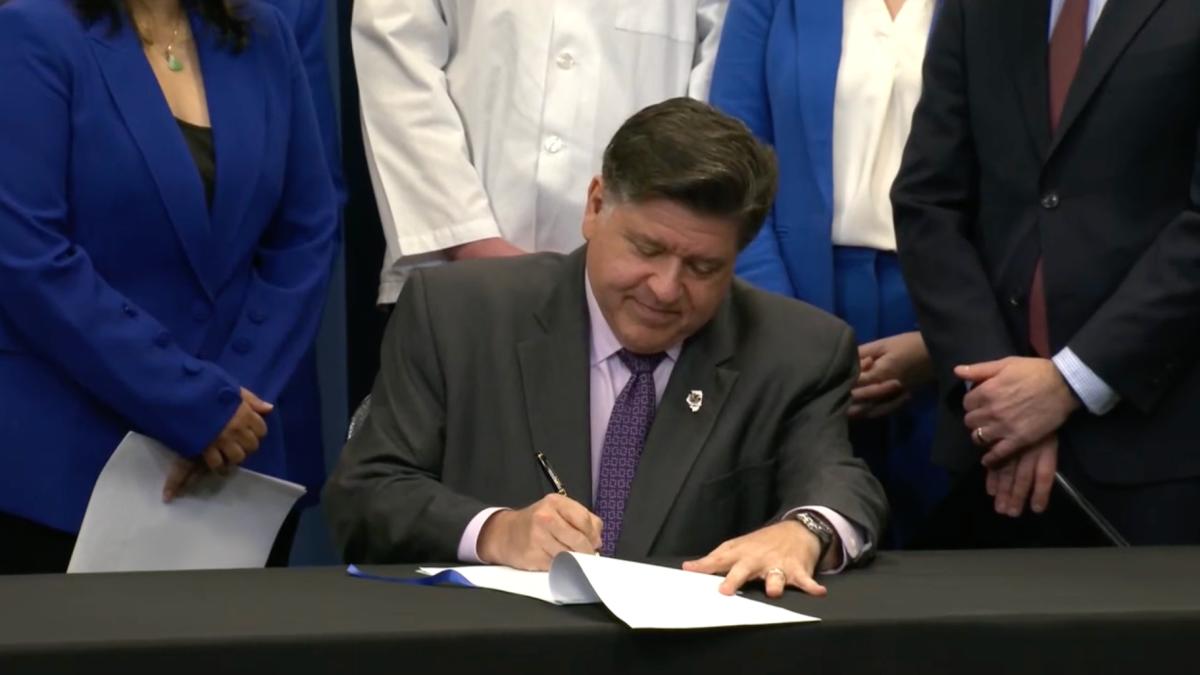
Governor JB Pritzker has signed new legislation designed to ensure vaccine access for Illinois residents, a move that comes just days before a contentious CDC vaccine advisory committee meeting. The bill establishes Illinois’ independence from federal vaccine guidelines that Pritzker characterized as influenced by “dangerous misinformation.”
“We are doing this because the Trump administration has upended the Advisory Committee on Immunization Practices, the federal body that has long provided states with rigorous evidence-driven vaccine schedules,” Pritzker said during Tuesday’s bill signing event.
The legislation, known as HB 767, authorizes the Illinois Department of Public Health to develop and publish its own vaccine guidelines based on recommendations from the state’s immunization advisory committee rather than relying on federal guidance. The law also requires state-regulated health insurance companies to cover vaccines recommended by IDPH, even when those recommendations extend beyond federal guidelines.
Additionally, the measure lowers the minimum age for children to receive COVID-19 and flu vaccines at pharmacies without a prescription from 7 to 3 years old. The vaccine provisions take effect immediately, while insurance-related changes begin January 1, 2026.
The governor’s action comes at a critical juncture in national vaccine policy. Earlier this year, U.S. Health Secretary Robert F. Kennedy Jr., a prominent vaccine skeptic, dismissed all 17 members of the CDC’s vaccine advisory committee and appointed replacements widely viewed as critical of vaccines. The reconstituted committee is scheduled to meet Thursday and Friday to potentially vote on modifications to childhood vaccination schedules and hepatitis B shot administration protocols.
“While RFK Jr. and his QAnon-inspired colleagues, spreading conspiracy theories and dangerous misinformation about vaccines, are running around Washington, Illinois is stepping up to protect the health of our people,” Pritzker stated.
The CDC committee’s recommendations significantly influence how vaccines are administered nationwide and which immunizations receive coverage under public and private insurance programs. The new Illinois law builds upon an executive order Pritzker issued in September after the federal government tightened eligibility guidelines for the latest COVID-19 vaccine.
Dr. Marielle Fricchione, chair of Illinois’ immunization advisory committee and a pediatric infectious diseases specialist at Rush Children’s Hospital, emphasized the importance of maintaining evidence-based practices. “The committee and I will work to ensure that this trust is not misplaced,” she said. “We’ll be following the outcomes of that meeting, and we’ll be responding to any changes that are made that are against scientific consensus.”
Last week, Pritzker joined a coalition of 15 Democratic governors who submitted public comment ahead of the CDC committee meeting, expressing concern that the committee was undermining public trust in vaccines and limiting access to affordable immunizations.
“As governors responsible for implementing public health policy and managing state healthcare systems, we have witnessed firsthand how vaccination protects our communities and prevents serious illness, hospitalization, and death from vaccine-preventable diseases,” the coalition wrote.
The governors specifically highlighted concerns about potential changes to recommendations for administering hepatitis B vaccines to newborns. While hepatitis B in adults typically spreads through sexual contact or needle sharing, infected mothers can transmit the virus to their babies during childbirth. As many as 90% of infected infants develop chronic infections that may lead to lifelong health complications.
Medical research shows that infant hepatitis B vaccination is 85% to 95% effective in preventing chronic infections. In September, Kennedy’s appointed committee members discussed delaying initial vaccination—an option already available to doctors and parents—but postponed voting amid criticism from pediatric and infectious disease specialists who maintain the vaccine is safe and has significantly reduced infant infections.
The Illinois law represents a growing trend of states taking public health matters into their own hands when they perceive federal guidance as being influenced by political rather than scientific considerations.
Fact Checker
Verify the accuracy of this article using The Disinformation Commission analysis and real-time sources.

9 Comments
Ensuring vaccine access is vital, but I’m concerned about overriding federal guidelines without a clear scientific justification. I hope the state’s new policy will be based on rigorous, non-partisan analysis to maintain public confidence.
Well said. Transparency and a commitment to evidence-based decision-making will be crucial as this new policy takes effect.
This is a complex topic where reasonable people can disagree. I appreciate the governor’s stated intent to rely on expert advice, but I hope the new policy will be implemented transparently and with ample public input. Vaccine access is important, but so is public trust.
Vaccine policy is a sensitive issue, but I’m glad to see Illinois taking proactive steps. Maintaining high vaccination rates is crucial for public health, so I’m curious to learn more about the specific evidence-based recommendations the state will be following.
This is a complex issue with valid concerns on both sides. It’s good to see the state taking proactive steps to ensure access and address misinformation, while still relying on expert medical advice. Thoughtful public policy is needed to navigate these challenges.
Protecting vaccine access is crucial, especially for vulnerable populations. However, I’m cautious about any policy that overrides federal health guidelines without strong scientific justification. Rigorous, evidence-based decision-making should be the top priority.
I agree, the balance between state and federal authority on public health matters is tricky. Transparency and clear communication of the rationale will be important as this policy is implemented.
It’s encouraging to see efforts to combat misinformation and ensure equitable vaccine access. At the same time, I hope the state’s new guidelines will still be grounded in robust medical expertise and not political considerations. Public trust in the process will be key.
This is an important and sensitive issue. I’m glad to see the state taking steps to address misinformation and guarantee vaccine access. However, I hope the new guidelines will still be grounded in robust medical expertise to maintain public trust.