


Listen to the article
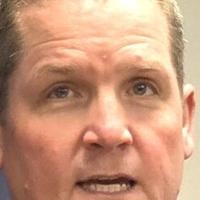
In an era where information travels faster than ever before, law enforcement officials are raising concerns about the spread of false information and its potential consequences for public safety. Dothan Police Chief Will Benny recently addressed this growing issue, warning that misinformation can hamper investigations and create unnecessary public anxiety.
“The spread of misinformation can be extremely harmful to our community,” Chief Benny stated in a recent public address. His comments come amid rising instances of unverified claims circulating through social media platforms and messaging apps within the community.
Law enforcement agencies across the country have been grappling with similar challenges. When false information spreads rapidly, it can divert valuable police resources away from genuine threats and ongoing investigations. Officers often find themselves addressing public concerns about non-existent dangers instead of focusing on actual crime prevention.
One particular concern is the spread of rumors during active police operations. Chief Benny explained that when unverified information circulates during ongoing situations, it can complicate response efforts and potentially place both officers and civilians at greater risk.
“We understand that people want information quickly, especially during uncertain situations,” Benny noted. “But we ask the community to rely on official sources rather than sharing unverified claims.”
The police department has observed a troubling pattern where initial reports of incidents are distorted as they spread through informal channels. What begins as a minor incident can transform into something much more alarming by the time it reaches wider audiences.
Social media platforms have amplified this problem significantly. A decade ago, rumors might have spread by word of mouth, limited by geography and time. Today, false information can reach thousands within minutes, creating widespread panic before authorities have an opportunity to provide accurate details.
Law enforcement experts point out that this phenomenon isn’t unique to Dothan. Communities nationwide are experiencing similar challenges with misinformation affecting public safety operations.
“When we’re responding to a situation, we need the public’s cooperation and trust,” explained a senior officer who works closely with Chief Benny. “Misinformation undermines that relationship and can create unnecessary fear.”
The police department is now taking proactive measures to combat this issue. They’ve enhanced their social media presence to provide timely, accurate information during developing situations. Additionally, they’re conducting community outreach programs to educate residents about the importance of verifying information before sharing it.
Media literacy experts support this approach. Dr. Karen Maxwell, who studies information dissemination at a regional university, noted that “the responsibility lies both with institutions to provide transparent communication and with citizens to practice critical thinking before sharing information.”
Community leaders have also joined the effort to promote responsible information sharing. Local business organizations and neighborhood associations are working with police to create networks of verified information sources that residents can trust during emergencies.
The impact of misinformation extends beyond immediate public safety concerns. False rumors can damage community cohesion, create lingering mistrust, and even affect local businesses if inaccurate information about crime rates or incidents spreads unchecked.
Chief Benny emphasized that addressing this issue requires a community-wide effort. “We need everyone’s help to ensure that accurate information prevails,” he said. “Before sharing something you’ve heard or read, take a moment to verify it with official sources.”
The police department plans to launch a new initiative next month specifically focused on combating misinformation. This will include regular updates on ongoing situations, clearer communication channels for emergency information, and educational resources to help residents identify reliable sources.
As digital communication continues to evolve, the challenge of managing information flow during critical situations will likely remain. However, with collaborative efforts between law enforcement and community members, Dothan hopes to build a more resilient information ecosystem that serves rather than hinders public safety.
Fact Checker
Verify the accuracy of this article using The Disinformation Commission analysis and real-time sources.

9 Comments
This is an important topic that deserves more attention. I’m glad the police chief is taking a firm stance against misinformation and raising awareness of its potential consequences.
Absolutely. Misinformation can undermine law enforcement’s ability to do their job effectively and safely. Responsible sharing of verified information is key.
Misinformation can certainly be a major challenge for law enforcement. It’s good to see the police chief addressing this issue proactively and highlighting the real-world impacts it can have on public safety and ongoing investigations.
Agreed, combating the spread of false claims is crucial. Maintaining public trust and focusing limited resources on genuine threats should be the top priorities.
Spreading false claims, especially during active police operations, sounds very concerning. I hope the community heeds the chief’s warning and exercises caution when sharing information online.
Agreed, unverified information circulating during critical situations could put public safety at risk. It’s crucial that people rely on official sources and law enforcement updates.
This is a challenging issue without any easy solutions. Balancing transparency and information-sharing while curbing the spread of misinformation requires a nuanced approach from law enforcement.
Definitely a complex problem. Proactive public outreach and education on identifying credible sources could be helpful in addressing this ongoing challenge.
While I appreciate the police chief’s efforts, I’m curious to hear more about the specific steps they’re taking to combat misinformation and safeguard the community. What strategies are proving most effective so far?