


Listen to the article
Philippine authorities have apprehended former broadcaster Jay Sonza on cyberlibel charges, a move that officials describe as part of the government’s broader strategy to combat misinformation and online abuse.
The arrest, which occurred Thursday after the Pasay City Regional Trial Court issued a warrant, stems from allegations that Sonza disseminated fabricated medical documents purportedly belonging to President Ferdinand Marcos Jr.
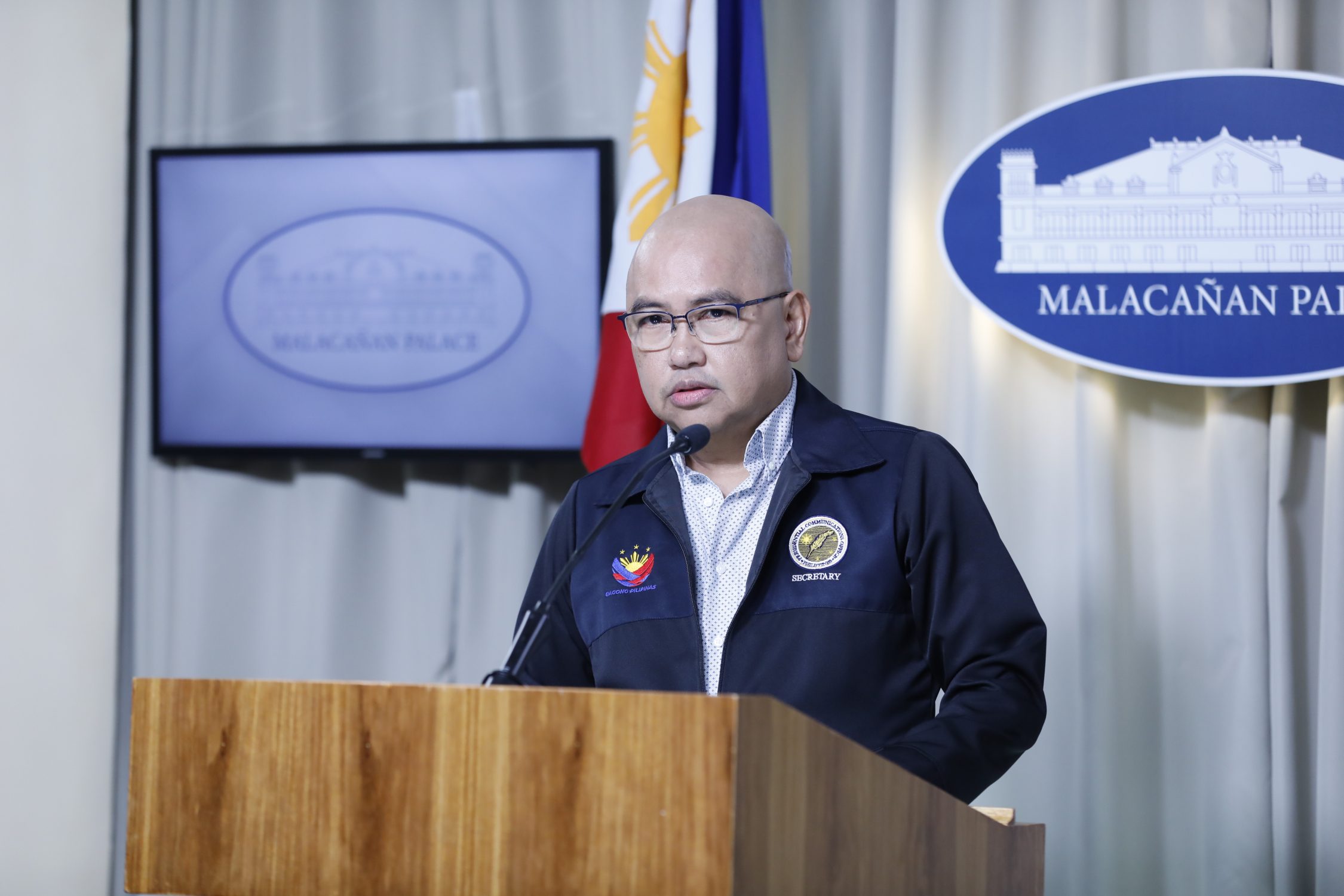
“It shows the government’s continuing effort to guard the truth, protect the public from deception, and preserve a free but responsible democratic space,” said Presidential Communications Office (PCO) Acting Secretary Dave Gomez in a statement released Friday.
The National Bureau of Investigation (NBI) has filed formal cyberlibel complaints against Sonza, marking a significant development in the administration’s campaign against what officials characterize as deliberate misinformation.
Gomez emphasized the administration’s position that “public discourse must remain free, but it must also be truthful, fair, and orderly,” highlighting the tension between free speech protections and concerns about the spread of false information in the digital age.
The PCO has positioned the arrest within its broader “Oplan Kontra Fake News” initiative, a program designed to identify and prosecute individuals involved in spreading falsehoods online. The office has been actively collaborating with law enforcement agencies, media organizations, and online platforms to address what it sees as a growing problem.
“Misinformation undermines public trust, endangers lives and will be met with swift, lawful consequences,” Gomez warned, signaling the administration’s intent to pursue similar cases moving forward.
This case represents an escalation in the Philippine government’s approach to combating misinformation. Earlier this year, the PCO formalized partnerships with the Department of Justice and the Department of Information and Communication Technology specifically to address fake news concerns and establish mechanisms for accountability.
According to government sources, the PCO has already forwarded multiple instances of alleged misinformation to the Department of Justice for investigation and potential prosecution.
The arrest comes amid growing concern worldwide about the proliferation of misinformation and its potential to disrupt democratic processes. In the Philippines, where social media penetration is among the highest in Southeast Asia, officials have increasingly pointed to online misinformation as a significant challenge to public discourse and institutional trust.
Media rights advocates, while acknowledging the problems caused by deliberate misinformation, have previously expressed concerns about potential overreach in government efforts to regulate online speech. The balance between combating harmful falsehoods and protecting legitimate expression remains a contentious issue in Philippine media policy.
The Marcos administration has made addressing misinformation a stated priority since taking office, with the president himself occasionally commenting on the challenges posed by false information circulating on social media platforms.
For the PCO, which serves as the administration’s primary communications arm, the Sonza case appears to represent a model for future enforcement actions. Gomez indicated that the arrest should “send a strong warning” to others who might consider spreading what officials deem to be fake news.
As the case proceeds through the judicial system, it may establish important precedents for how Philippine authorities address online misinformation going forward, potentially reshaping the relationship between government, media, and digital platforms in the country.
Fact Checker
Verify the accuracy of this article using The Disinformation Commission analysis and real-time sources.

10 Comments
The government’s campaign against misinformation is understandable given the potential harms, but they must be careful not to overreach and infringe on legitimate free speech. A measured, transparent approach is needed.
This highlights the delicate balance between protecting the public from false information and preserving democratic freedoms. I hope the authorities handle this case judiciously and with due consideration for everyone’s rights.
I’m curious to learn more about the specific allegations against Jay Sonza and the evidence behind the cyberlibel charges. Ensuring accuracy and fairness in these cases is vital for upholding the rule of law.
This is a complex issue without easy answers. On one hand, the government has a duty to protect citizens from deliberate falsehoods. But overzealous crackdowns on speech can also backfire. Striking the right balance will be crucial.
Well said. Transparency and clear guidelines from the government on what constitutes misinformation, versus legitimate criticism, will be key to building public trust in these efforts.
The arrest of Jay Sonza highlights the challenges modern governments face in maintaining truthful public discourse. Cyberlibel charges seem a strong response, but misinformation can erode faith in institutions.
You raise a fair point. It will be important to ensure due process is followed and that the charges are warranted, not just used to silence critics. Free speech needs to be balanced with the public good.
Combating misinformation is a worthy goal, but the specific details of this case will be important to analyze. We should be wary of government overreach, while also recognizing the real dangers of deliberate falsehoods online.
Interesting news on the government’s efforts to combat misinformation. While free speech is crucial, the spread of false claims can undermine public trust. It’s a delicate balance that authorities need to navigate carefully.
I agree, misinformation can be very damaging, especially around sensitive topics like politics and public health. Responsible oversight is needed to protect the integrity of information shared online.