


Listen to the article
Taiwan’s Education Ministry Shifts Strategy on Chinese Social Media Platforms
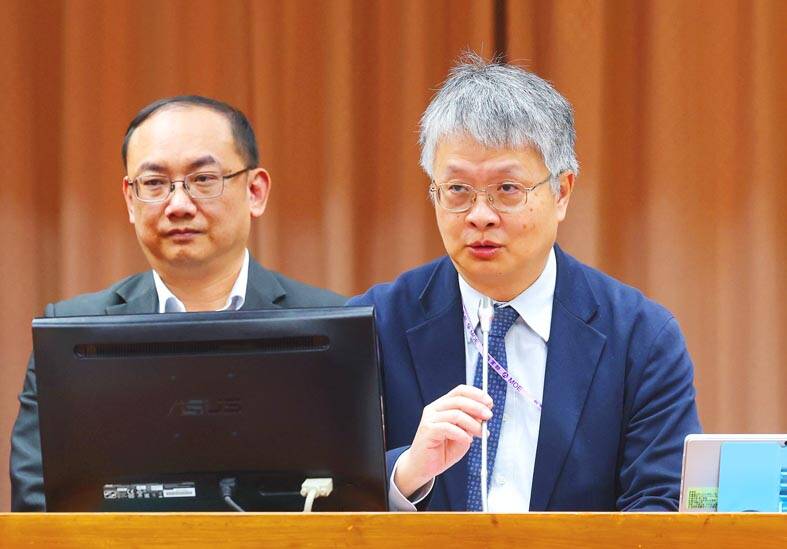
The Ministry of Education (MOE) plans to focus on enhancing media literacy rather than implementing outright bans on Chinese social media platforms like TikTok and Xiaohongshu (RedNote), Deputy Minister of Education Liu Kuo-wei said yesterday during a legislative session.
This announcement follows Education Minister Cheng Ying-yao’s statement last month that the Taiwan Academic Network had blocked access to several Chinese platforms, including Xiaohongshu, TikTok, and Douyin (the Chinese version of TikTok). The ministry cited concerns about the negative effects of short-form videos on children’s and teenagers’ development.
Liu acknowledged the practical limitations of such bans, explaining that while the ministry can control access on academic networks, it cannot restrict students’ personal internet connections. “Instead of prohibition, we will focus on equipping students with the skills to identify misinformation and protect their personal data online,” Liu said.
The deputy minister referenced numerous Taiwanese and international studies highlighting problematic content on these platforms. According to Liu, TikTok search results frequently contain misinformation, and the platform’s algorithm has been found to promote content related to self-harm, eating disorders, and negative body image messaging.
“Such content has been proven to lower teenagers’ body satisfaction and increase negative emotions,” Liu emphasized, underscoring the ministry’s concerns about mental health impacts among young users.
During the legislative session, Chinese Nationalist Party (KMT) Legislator Ko Chih-en urged the ministry to amplify its awareness efforts, pointing out that many of its current media literacy publications have garnered only about 1,000 views—a reach too limited to be effective.
Taiwan People’s Party Legislator Liu Shu-pin cautioned against “overregulation,” stating that “education should not be replaced by prohibition.” This sentiment reflects ongoing debates in Taiwan about balancing online safety with freedom of expression and creative development.
KMT Legislator Yeh Yuan-chih questioned the ministry’s approach, noting that the MOE’s dedicated website for fraud prevention focuses specifically on Xiaohongshu while other platforms like Threads host numerous scams as well. Yeh suggested that the selective focus might overlook broader issues of online misinformation.
In response, Deputy Minister Liu welcomed these suggestions and assured lawmakers that the ministry would address online fraud across all platforms, not just Chinese ones.
The discussion on Chinese digital platforms extended beyond social media to artificial intelligence applications. During the same legislative session, Deputy Minister of Digital Affairs Isabel Hou revealed that all government agencies in Taiwan have prohibited the use of China-developed AI applications following a National Security Bureau investigation that identified significant cybersecurity risks.
The investigation specifically flagged five AI tools—DeepSeek, Doubao, Yiyan, Tongyi, and Yuanbao—for generating content with pro-Chinese Communist Party propaganda, historical bias, and disinformation.
Hou explained that the Ministry of Digital Affairs has developed testing protocols and frameworks for information security and AI evaluation, which are now being used by administrative units for verification purposes. When asked whether Taiwan would follow other countries in implementing broader bans on Chinese-made generative AI models, Hou indicated that “this is an option to be considered within the scope of legal authority.”
This cautious approach reflects Taiwan’s complex position in managing digital security concerns while maintaining open information channels for its citizens, particularly in educational settings where exposure to diverse content remains valuable for learning.
Fact Checker
Verify the accuracy of this article using The Disinformation Commission analysis and real-time sources.

10 Comments
The ministry’s shift towards media literacy education rather than platform bans seems prudent. Giving students the tools to critically evaluate online content is a valuable life skill.
Interesting to see Taiwan taking proactive steps to address the potential negative impacts of social media on youth development. Media literacy education is crucial in today’s digital age.
Absolutely. It’s a more nuanced approach than outright bans, which can be challenging to implement effectively.
Focusing on media literacy rather than bans is a pragmatic solution. It empowers students to make informed decisions about the content they consume online, which is crucial in today’s digital world.
Agreed. Equipping students with critical thinking skills is a more sustainable approach than trying to control access to specific platforms.
I’m curious to learn more about the specific media literacy curriculum and training that Taiwan plans to implement. Developing a comprehensive program will be key to its success.
Good point. The details of the program will be important to ensure it effectively addresses the challenges students face in the digital realm.
Enhancing media literacy is a smart approach to address the challenges of social media. Equipping students with critical thinking skills to identify misinformation is key to navigating the digital landscape safely.
I agree. Banning platforms may be difficult to enforce, so empowering users with digital literacy is a more effective long-term solution.
This approach aligns with the growing recognition that media literacy education is essential for navigating the modern information landscape. Taiwan is taking a proactive step in the right direction.