


Listen to the article
In a week marred by viral misinformation, fact-checkers have debunked several high-profile false claims targeting prominent Indian political figures and institutions. The fabrications, which spread rapidly across social media platforms, ranged from diplomatic misrepresentations to personal character attacks.
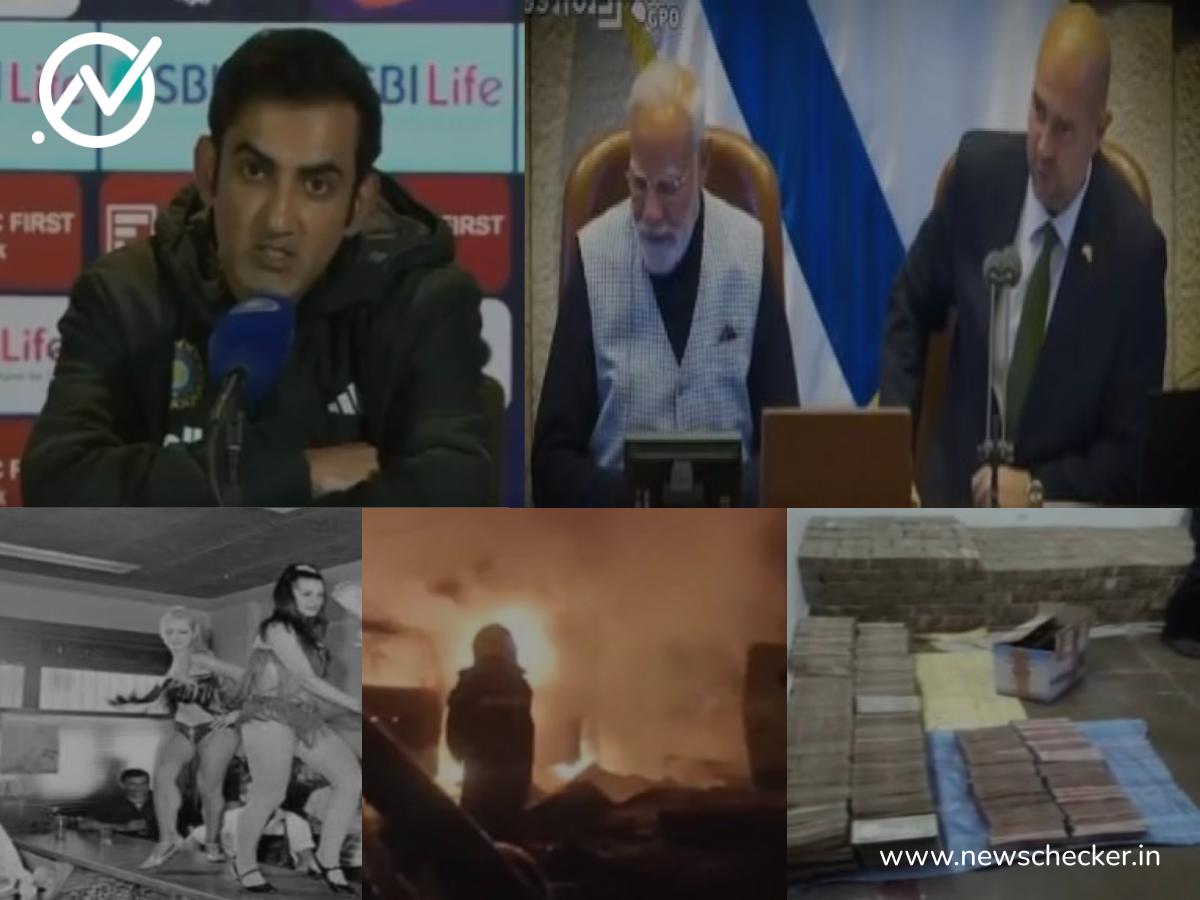
One widespread claim suggested that Israeli opposition lawmakers boycotted Prime Minister Narendra Modi’s address at the Knesset during his official visit to Israel. Fact-checkers revealed this to be entirely false. While Israeli opposition members did boycott speeches by Prime Minister Netanyahu and Speaker Amir Ohana due to domestic political tensions, they specifically attended and welcomed Modi’s address, showing respect for the visiting Indian leader despite their internal political disagreements.
In an unrelated instance of targeted misinformation, social media users circulated an old photograph allegedly showing Congress leader Sonia Gandhi dancing in a bar during her youth. Investigation revealed the image actually dates back to 1967 and depicts go-go dancers performing at a hotel in Auburn, Sydney, with no connection whatsoever to Gandhi. The false attribution appears designed to damage the Congress leader’s reputation through association.
Security misinformation also made rounds last week, with two videos falsely claiming that “Kashmiri freedom fighters” – likely referring to a terror outfit – had attacked an Indian Army camp in Rajouri, Jammu and Kashmir. Fact-checkers determined these videos were older, unrelated footage repurposed to create a false narrative about current security situations in the sensitive border region.
Another fabricated story involved alleged corruption within the Border Security Force (BSF). A viral video purportedly showed the Central Bureau of Investigation (CBI) recovering ₹96 crore from the Kerala home of a BSF commandant stationed at the India-Bangladesh border. This claim was thoroughly debunked, with investigators finding no evidence of such a raid or recovery.
Sports was not immune to misinformation either. Following India’s loss to South Africa in the ICC Men’s T20 World Cup, a video circulated allegedly showing former cricketer and current figure Gautam Gambhir scolding online trolls for their criticism of the Indian team. Fact-checkers determined this footage was completely unrelated to the ongoing tournament and had been deceptively framed to appear current.
These incidents highlight a disturbing pattern of targeted misinformation aimed at manipulating public opinion about political leaders, security situations, and public figures. The false narratives often exploit existing social tensions or capitalize on moments of national interest, such as diplomatic visits or sporting events.
Digital literacy experts point to such fabrications as particularly dangerous because they blend just enough plausibility with sensational claims to appear credible to casual readers. The speed at which these falsehoods spread across platforms like WhatsApp, Facebook, and Twitter compounds the challenge for fact-checkers trying to correct the record.
Media watchdogs note that this type of misinformation has become increasingly sophisticated, often using authentic imagery or video from unrelated events and recontextualizing them with false captions or descriptions. The practice creates a significant challenge for citizens attempting to stay accurately informed about current events.
The prevalence of these false narratives underscores the critical importance of independent fact-checking organizations in the current media landscape, particularly in a diverse and politically complex nation like India, where misinformation can potentially exacerbate existing societal divisions.
Fact Checker
Verify the accuracy of this article using The Disinformation Commission analysis and real-time sources.

12 Comments
This report highlights the need for robust fact-checking mechanisms to counter the proliferation of misinformation, which can have serious political and social consequences.
The old photo misattributed to Sonia Gandhi is a classic example of how misinformation can distort reality. Thorough investigation to uncover the truth is commendable.
It’s important to be vigilant about the origins and veracity of images circulating online, especially when they involve public figures.
It’s concerning to see such a wave of misinformation directed at prominent Indian political figures. Maintaining public trust in institutions is paramount.
Fact-checking and media literacy efforts are essential to counter the proliferation of false narratives and protect the integrity of the democratic process.
The range of fabrications, from diplomatic misrepresentations to personal attacks, demonstrates the evolving tactics of those seeking to spread misinformation.
The fabricated claim about Israeli opposition boycotting Modi’s address is quite concerning. Good that fact-checkers were able to debunk it and reveal the truth.
Respect for the visiting Indian leader, despite domestic political tensions, is a positive sign of diplomatic maturity.
Interesting to see the wave of misinformation targeting Indian political figures. Fact-checking is crucial to combat the spread of false claims, especially on social media.
Misinformation targeting political leaders is a global challenge. Kudos to the fact-checkers for their efforts to debunk the false claims and maintain transparency.
Fact-based reporting and responsible social media use are crucial to upholding democratic discourse and informed decision-making.
This report underscores the importance of vigilance and critical thinking when consuming information, especially on social media platforms where misinformation can spread rapidly.