


Listen to the article
Misinformation About Health and Cancer Crosses Political Lines
Medical misinformation has become a battleground that crosses party lines, with a recent survey revealing how conspiracy theories about breast cancer causes and prevention continue to influence public perception despite lacking scientific evidence.
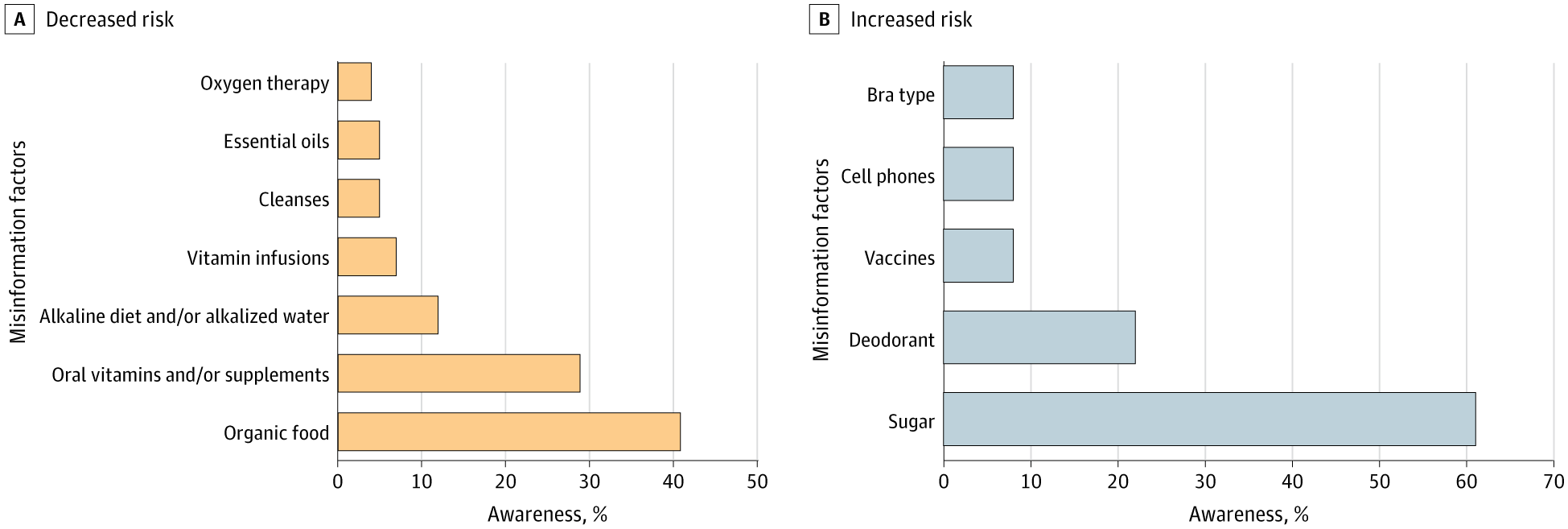
According to a new study published in JAMA Network Open, a significant number of patients have been exposed to unfounded claims about breast cancer risks. The survey of 997 patients, 78 percent of whom were college-educated, found widespread exposure to misinformation claiming everyday products like deodorant, cell phones, and processed foods cause breast cancer, while promoting unproven preventative measures such as organic food and alkaline diets.
Though vaccine misinformation has recently gained attention through Republican channels, the history of health-related conspiracy theories spans decades and political affiliations. Progressive groups led early campaigns against the HPV vaccine Gardasil, falsely claiming Merck created it to offset losses from Vioxx settlements by moving into a market with less litigation risk.
“What we’re seeing is a continuation of long-standing patterns where health concerns become politicized,” said Dr. Rebecca Martin, a public health expert not involved in the study. “The difference now is how quickly this misinformation spreads through social media channels.”
Similar unfounded health claims have evolved over time. Twenty years ago, aspartame was the alleged cancer culprit. Thirty years ago, the Center for Science in the Public Interest campaigned against coffee as carcinogenic—a claim later thoroughly debunked by scientific research.
The study highlights how even educated patients encounter questionable health information. While most respondents didn’t abandon conventional medical care after exposure to misinformation, the persistence of these claims demonstrates their pervasive nature in public discourse.
What makes these situations particularly troubling is how proponents on either side of the political spectrum use selective “peer-reviewed” studies—typically relying on limited epidemiological associations rather than established causal mechanisms—to support their positions. This approach mirrors how some activists have used cherry-picked studies in legal proceedings against companies like Monsanto regarding glyphosate, despite the lack of established biological mechanisms linking the herbicide to cancer.
The regulatory landscape contributes to the problem. While pharmaceutical companies face strict FDA oversight and potential criminal penalties for misrepresenting their products, the supplement industry operates under significantly looser regulations following the 1994 Dietary Supplement Health and Education Act signed by President Clinton. This legislation allows supplement manufacturers to make vague health claims with minimal scientific substantiation as long as they include a disclaimer that the FDA hasn’t evaluated their statements.
“The asymmetry in regulation creates a fertile ground for misinformation,” explains health policy analyst Jennifer Walters. “When consumers see products making health claims on store shelves, they often assume a level of vetting that simply doesn’t exist in the supplement market.”
The study authors emphasize the importance of healthcare providers addressing misinformation directly with patients. “Clinicians need to create space for patients to discuss what they’ve heard without judgment,” said lead researcher Dr. Miller. “Many patients are trying to navigate conflicting information from multiple sources.”
Public health experts recommend maintaining healthy skepticism toward health claims regardless of their political alignment. When evaluating health information, they suggest looking for consensus among major medical organizations, checking whether claims are based on human clinical trials rather than preliminary lab studies, and consulting healthcare providers about significant health decisions.
As misinformation continues to evolve, maintaining the distinction between evidence-based medicine and unfounded claims remains crucial for public health, regardless of which political tribe promotes them.
Fact Checker
Verify the accuracy of this article using The Disinformation Commission analysis and real-time sources.

16 Comments
This is really concerning. Misinformation can be so damaging, especially when it comes to health issues like cancer. I hope more efforts are made to educate the public and provide reliable, science-based information.
This study highlights the need for better public health education, especially around complex topics like cancer causes and prevention. Relying on unproven remedies can be very risky.
It’s troubling to see how widespread misinformation about cancer risks and prevention has become, even among educated patients. We need to do a better job of promoting science-based information from credible sources.
Agreed. Unfounded claims about everyday products causing cancer can lead people to make poor health decisions. Fact-checking and media literacy are so important.
The prevalence of misinformation around breast cancer is very troubling. I hope this study leads to more efforts to counter these unfounded claims and ensure patients have access to reliable, science-based information. Educating the public should be a top priority.
Absolutely. Healthcare providers and public health officials need to be proactive in dispelling misinformation and promoting factual, evidence-based messaging. It’s a challenging battle, but the stakes are too high to ignore.
While it’s troubling that even educated patients are being exposed to misinformation, I’m not surprised. Conspiracy theories about health and science have been around for a long time. More needs to be done.
While it’s concerning that conspiracy theories continue to spread, I’m not surprised given how pervasive misinformation has become across the political spectrum. Tackling this issue will require a multipronged approach focused on media literacy and fact-checking.
This is a concerning trend. Misinformation about health risks and treatments can have serious consequences, especially for vulnerable populations like cancer patients. We need to do better at promoting science-based information.
Misinformation about cancer causes and prevention is dangerous and can lead people to make poor health choices. I hope this study prompts a greater focus on public education and media literacy in this area.
This is really concerning. Misinformation can have serious consequences when it comes to health and medical treatments. I hope more can be done to educate the public and combat these unfounded conspiracy theories.
This is a really complex issue. On one hand, it’s worrying that so many patients are being exposed to misinformation. But the article also highlights how these false beliefs can span political divides. Addressing the root causes will be crucial.
It’s troubling that such a high percentage of patients were exposed to unfounded claims about breast cancer causes and prevention. Easy access to misinformation online is a major challenge. Healthcare providers need to be vigilant in addressing these misconceptions.
Agreed. Patients need to be able to trust the medical advice they receive. Doctors should take the time to counter misinformation and ensure patients have accurate, evidence-based information.
This is a concerning trend, but not entirely surprising given how easily misinformation can spread online. I hope this study prompts a renewed focus on media literacy and critical thinking skills, so people are better equipped to distinguish fact from fiction.
It’s disheartening to see how political divides can influence beliefs about medical issues. Misinformation seems to spread regardless of one’s background or affiliation. We have to find ways to combat this.