


Listen to the article
Social Media Misinformation Fueled Noida Worker Protests, Police Say
Misinformation spread through two social media accounts escalated what began as peaceful protests by factory workers in Noida, according to police statements issued Monday. Authorities have filed FIRs against both social media handles and promised strict action against those responsible for disseminating rumors that allegedly intensified tensions during demonstrations in Noida Phase-2, Gautam Buddha Nagar.
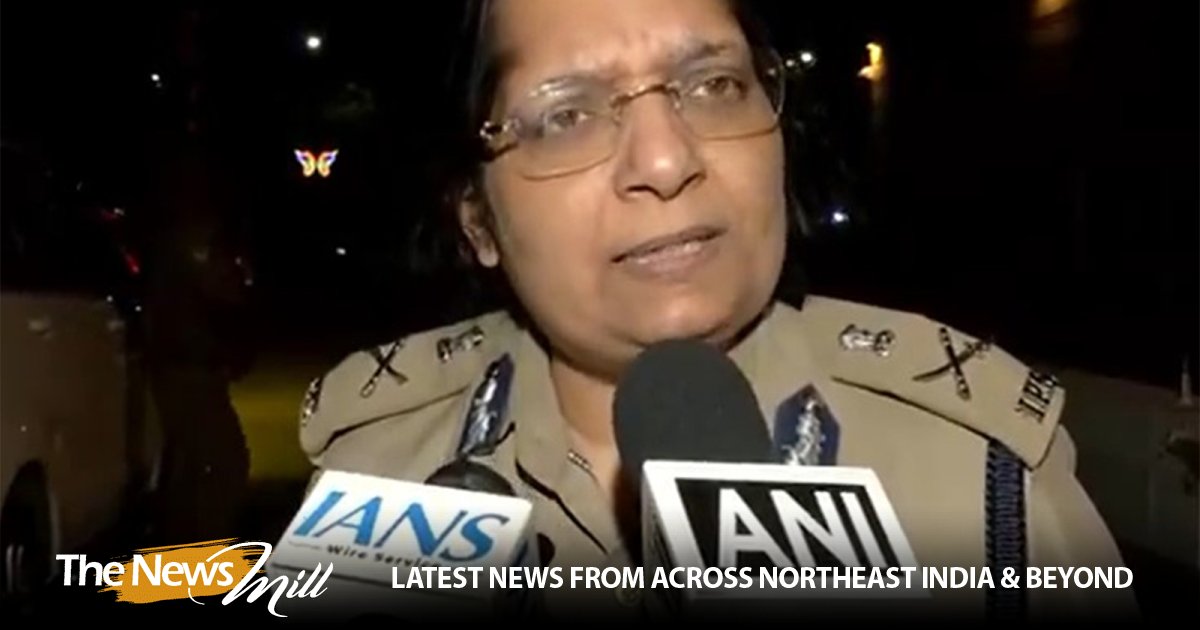
Police Commissioner Laxmi Singh emphasized that contrary to some reports, police did not open fire during the protests and only used minimal force in two locations to disperse crowds when demonstrations turned violent.
“Today, approximately 42,000 laborers protested at about 83 locations across Noida in support of their demands. Minimal force was necessary at only two locations due to violent protests,” Singh said. “At the remaining 78 locations, we successfully dispersed laborers through dialogue and negotiations.”
The protests, which began as a movement for increased wages among factory workers, devolved into violence in some areas, with demonstrators allegedly vandalizing vehicles and property and throwing stones during confrontations with police.
Commissioner Singh pointed to outside agitators as partially responsible for the escalation. “In areas bordering other districts, groups from outside Noida arrived and deliberately created a provocative and violent atmosphere,” she explained. “Some members of these groups have been arrested, while others are being identified through CCTV footage for further action.”
The unrest comes amid growing tensions in Noida’s industrial sector, where workers have increasingly voiced concerns about wages that have not kept pace with inflation and living costs in the National Capital Region. Noida, a major manufacturing hub adjacent to Delhi, hosts hundreds of factories employing tens of thousands of workers, many of whom are migrants from other states.
In her appeal for calm, Commissioner Singh noted that most of the workers’ demands had already been addressed through recent negotiations. “Four out of five key demands were met almost immediately through agreements based on the workers’ own requests,” she said. These include double overtime pay, formation of a POSH (Prevention of Sexual Harassment) committee to address workplace harassment complaints, installation of complaint boxes for workers to file grievances against management, and provision of four paid leaves per month.
The industrial unrest highlights the growing labor activism in India’s manufacturing sector, where workers are increasingly organizing to demand better wages and working conditions. The situation in Noida reflects broader tensions between labor and management across India’s industrial belts, where economic pressures have intensified following the pandemic.
Recognizing the seriousness of the situation, the Uttar Pradesh government has responded by forming a high-powered committee. “The Chief Minister has sent a committee that has already conducted extensive discussions with all stakeholders, including labor organizations and workers’ representatives,” Singh said. “This committee will soon submit its recommendations.”
Labor experts note that social media has increasingly become a double-edged sword in labor activism. While it enables workers to organize more effectively, it can also spread misinformation that inflames tensions, as allegedly occurred in this case.
Authorities have urged workers to remain patient as the government committee finalizes its recommendations. Commissioner Singh warned that anyone engaging in violent protests or taking the law into their own hands in the coming days would face strict legal consequences.
The situation remains tense but controlled as authorities monitor social media for further attempts to incite unrest while continuing dialogue with worker representatives to address remaining concerns.
Fact Checker
Verify the accuracy of this article using The Disinformation Commission analysis and real-time sources.

16 Comments
This is a troubling example of how social media can be used to distort reality and inflame civil unrest, even during what began as a peaceful protest. While the police response seems measured, the underlying labor issues that sparked the demonstrations need to be addressed through genuine dialogue and negotiation, not just force. Fact-checking and content moderation on social media platforms are essential to prevent such situations from escalating.
I agree completely. The authorities must take a holistic approach that addresses the root causes of worker grievances, not just suppress protests through heavy-handed tactics. And social media companies have a critical role to play in curbing the spread of misinformation that can turn civil discourse into violent confrontation.
This is a sobering example of how social media can be weaponized to exacerbate civil unrest. While the police response seems measured, the real challenge is curbing the spread of misinformation that can transform peaceful protests into violent confrontations. Rigorous fact-checking and content moderation are essential.
I agree. Social media platforms have a duty to be more proactive in identifying and removing content that is deliberately spreading falsehoods and inflaming tensions. Failing to do so can have grave consequences for public safety and the right to peaceful assembly.
It’s troubling to see how social media can be weaponized to escalate tensions and incite violence, even during otherwise peaceful protests. The police’s measured response is commendable, though the root issue of worker demands remains unresolved.
You’re right, the underlying labor issues that sparked the protests still need to be addressed constructively. Quelling the unrest with force is only a temporary solution if the underlying grievances aren’t addressed through dialogue and negotiation.
Unfortunate to see how social media can be misused to turn a workers’ protest into a violent confrontation. The police’s restraint is commendable, but the root causes of the unrest – worker demands and grievances – need to be addressed through open dialogue and negotiation, not just force.
Well said. Suppressing protests with heavy-handed tactics may provide temporary calm, but it doesn’t resolve the underlying labor issues that prompted the demonstrations in the first place. A more holistic, collaborative approach is needed to find sustainable solutions.
Interesting to see how misinformation can escalate peaceful protests into violent unrest. Police seem to have handled the situation with restraint, using minimal force only where necessary. Maintaining law and order while respecting the right to protest is a delicate balance.
Yes, social media’s power to spread rumors and inflame tensions is worrying. Glad the authorities were able to largely contain the situation through dialogue rather than heavy-handed tactics.
This highlights the importance of responsible social media use and fact-checking during public events. Misinformation can rapidly transform a legitimate protest into a dangerous confrontation. Kudos to the police for their restraint and focus on peaceful resolution.
Agreed. Social media platforms need to do more to combat the spread of misinformation, which can have real-world consequences like we’re seeing here. Fact-checking and content moderation are essential to maintaining public order.
This is a stark reminder of the power of social media to distort reality and inflame conflicts. While the police response seems appropriate, the larger challenge is curbing the spread of misinformation that can derail legitimate protests. Careful monitoring and fact-checking are crucial.
Exactly. Social media platforms have a responsibility to proactively identify and remove content that is fanning the flames of unrest. Allowing misinformation to proliferate unchecked can have disastrous consequences for public safety.
The role of social media in escalating this protest into unrest is deeply concerning. While the police’s restraint is commendable, the root causes of the workers’ grievances must be addressed through open dialogue and negotiation, not just force. Misinformation on social media is a serious threat to civil order that needs to be tackled head-on.
Well said. Social media platforms have a responsibility to combat the spread of misinformation that can derail legitimate protests. But the authorities must also be willing to listen to workers’ concerns and find constructive solutions, not just quell unrest through force.