


Listen to the article
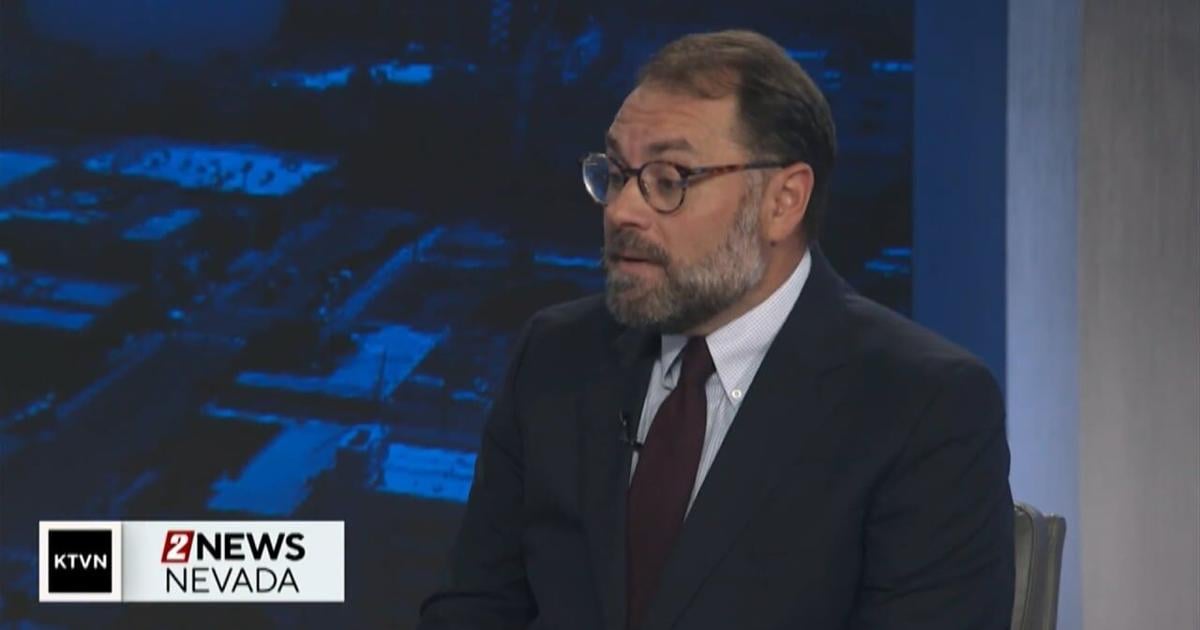
In an era where information spreads faster than ever before, distinguishing fact from fiction has become increasingly challenging for the average news consumer. A recent in-depth discussion on Nevada’s “Face the State” program highlighted the growing concerns surrounding misinformation and disinformation in today’s media landscape.
Media literacy experts participating in the broadcast emphasized that the proliferation of false information isn’t merely an inconvenience—it represents a genuine threat to informed civic participation and democratic processes. With social media platforms serving as primary news sources for many Americans, verifying information has grown exponentially more complex.
“The line between legitimate news and fabricated content has blurred significantly in recent years,” noted one media scholar during the discussion. “What makes this particularly troubling is how personalized algorithms tend to reinforce existing beliefs rather than challenge them with diverse viewpoints.”
The conversation distinguished between misinformation—inaccurate content shared without malicious intent—and disinformation, which involves deliberate attempts to mislead audiences. Both phenomena have accelerated during major news events, from election cycles to public health crises.
Nevada, like many states, has witnessed the real-world impact of information disorders. Local election officials have reported spending increasing resources combating false claims about voting processes, while health authorities struggled with vaccine hesitancy fueled partly by online rumors during the pandemic.
Media experts pointed to several contributing factors behind the rising tide of false information. The 24-hour news cycle creates pressure for immediacy that sometimes sacrifices accuracy. Meanwhile, declining revenues have forced many news organizations to reduce editorial staff who traditionally served as gatekeepers verifying facts before publication.
“When news organizations operated with robust fact-checking departments, there were more barriers preventing questionable content from reaching the public,” explained a journalism professor featured in the segment. “Today’s leaner newsrooms simply don’t have the same capacity.”
Social media platforms bear significant responsibility in the equation. Their business models, which prioritize engagement through emotionally charged content, often amplify sensationalized or divisive stories regardless of accuracy. Despite recent efforts to flag misleading content, critics argue these measures remain insufficient.
The economic incentives behind false information pose another challenge. Creating misleading content can be profitable through advertising revenue, while debunking such content rarely generates comparable engagement or financial returns.
The program offered practical guidance for news consumers navigating this complex landscape. Experts recommended cross-referencing information across multiple reputable sources, checking publication dates for context, and maintaining healthy skepticism toward content designed primarily to provoke emotional reactions.
“Looking at the URL, examining whether other established news outlets are reporting the same story, and researching the authors can reveal much about reliability,” suggested a digital literacy advocate during the broadcast.
Educational institutions across Nevada have recognized the growing need for media literacy skills. Several schools have implemented programs teaching students to evaluate information critically, recognize potential biases, and understand how digital platforms curate content.
The discussion also explored potential regulatory approaches, though participants acknowledged the delicate balance between combating harmful misinformation and protecting free speech principles. Some experts advocated for greater platform transparency regarding how algorithms promote certain content, while others emphasized the need for platform-independent fact-checking organizations.
“Any solutions must be multifaceted,” concluded one participant. “This requires coordination between technology companies, educators, news organizations, and informed citizens.”
As Nevada and the nation prepare for another contentious election cycle, the challenge of separating fact from fiction will likely intensify. The experts agreed that while technological and regulatory solutions play important roles, ultimately cultivating a more discerning public remains the most effective long-term strategy against information disorders.
For residents seeking to enhance their media literacy skills, several Nevada libraries and community organizations offer free workshops addressing digital verification techniques and responsible information sharing practices.
Fact Checker
Verify the accuracy of this article using The Disinformation Commission analysis and real-time sources.

17 Comments
Interesting update on Misinformation and Disinformation Examined on Face the State – 2 News Nevada. Curious how the grades will trend next quarter.
Interesting update on Misinformation and Disinformation Examined on Face the State – 2 News Nevada. Curious how the grades will trend next quarter.
Good point. Watching costs and grades closely.
Nice to see insider buying—usually a good signal in this space.
Good point. Watching costs and grades closely.
The cost guidance is better than expected. If they deliver, the stock could rerate.
Good point. Watching costs and grades closely.
Silver leverage is strong here; beta cuts both ways though.
If AISC keeps dropping, this becomes investable for me.
Good point. Watching costs and grades closely.
Good point. Watching costs and grades closely.
If AISC keeps dropping, this becomes investable for me.
Good point. Watching costs and grades closely.
The cost guidance is better than expected. If they deliver, the stock could rerate.
Good point. Watching costs and grades closely.
The cost guidance is better than expected. If they deliver, the stock could rerate.
Good point. Watching costs and grades closely.