


Listen to the article
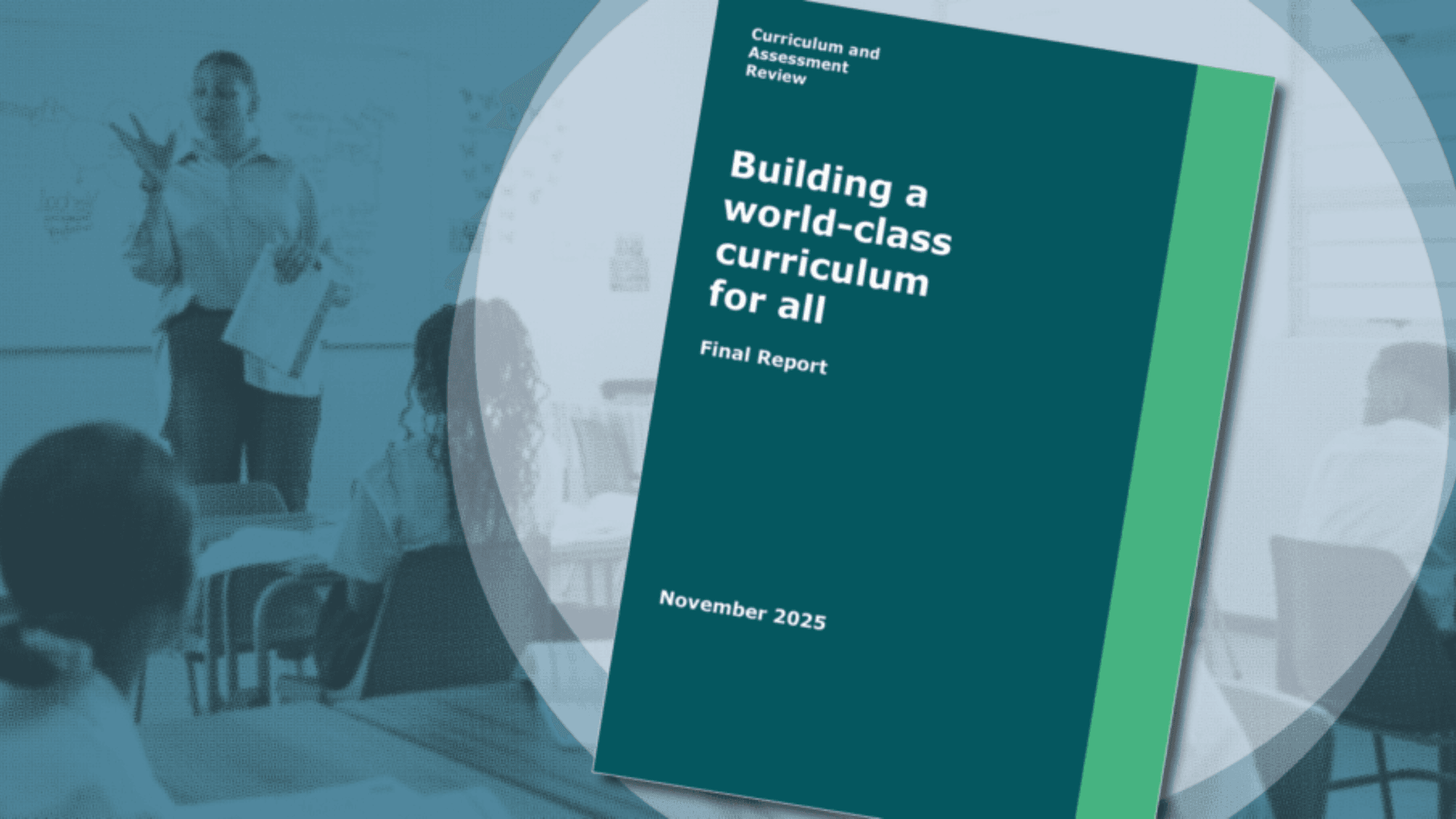
The Department for Education has recently published its Curriculum Assessment Review (CAR), advocating for enhanced education on misinformation, climate change, and sustainability as digital trends and artificial intelligence continue to reshape information consumption patterns among young people.
The review emphasizes that digital literacy has become essential for today’s youth to navigate the complex landscape of online information. Climate change denial was specifically identified as a critical concern, highlighting the need for stronger educational frameworks to help students distinguish between factual content and misinformation.
This government initiative aligns with growing concerns in the private sector about how digital misinformation impacts sustainability efforts and public understanding of environmental issues. The beauty industry, in particular, has recognized this challenge, with the British Beauty Council reporting significant consumer demand for transparency: 90% of consumers want better information about recycling finished products, 88% seek more details on environmentally friendly product use, and 86% desire greater clarity on supply chain operations.
Beyond equipping young people with critical thinking skills, the review suggests that improved climate education in schools could foster innovation and job creation across various sectors, including the beauty industry. By promoting responsible AI use and combating misinformation, businesses can help protect the creative and research integrity of the next generation of professionals.
The British Beauty Council has already taken steps to address misinformation in its sector. Earlier this year, its Creator Collective partnered with Cult Beauty to launch the ‘Gen A-Z’ teen skincare guide, which tackles common misconceptions and promotes science-based skincare information. This initiative comes at a crucial time, as research shows that 41% of tweens now turn to influencers for skincare advice, often without the ability to evaluate the credibility of such information.
“The beauty industry has a responsibility to ensure accurate information reaches consumers, especially young people who are particularly vulnerable to online misinformation,” said a spokesperson for the British Beauty Council, who requested anonymity to discuss the initiative freely. “With social media algorithms often promoting engagement over accuracy, education becomes even more critical.”
Industry experts note that misinformation in the beauty sector can have significant consequences, from promoting ineffective or potentially harmful practices to undermining legitimate sustainability efforts. Brands that exaggerate environmental claims—a practice known as “greenwashing”—not only mislead consumers but can damage trust in genuine sustainability initiatives.
The CAR also addresses vocational pathways, acknowledging that traditional academic routes aren’t suitable for all learners. This approach resonates with the beauty industry, which relies heavily on vocational training and specialized skills development. The British Beauty Council continues to engage with the government on these issues, advocating for adequate skills provision for young people pursuing careers outside conventional academic tracks.
The review comes amid a broader global conversation about digital literacy and climate education. Several international organizations, including UNESCO, have highlighted the importance of equipping students with the skills to identify misinformation, particularly around scientific topics like climate change.
Educational experts suggest that teaching critical thinking skills about online content should begin early, with age-appropriate lessons integrated throughout the curriculum rather than treated as a separate subject. This approach would help students develop a more nuanced understanding of how information is created, shared, and sometimes manipulated online.
The Department for Education has opened a consultation on the new vocational pathways outlined in the review, inviting stakeholders from various industries to contribute their perspectives. The beauty industry, with its combination of scientific knowledge, technical skills, and creative elements, stands to play a significant role in shaping these educational developments.
Those interested in sharing their thoughts on the proposed vocational pathways can participate in the consultation through the Department for Education’s official website.
Fact Checker
Verify the accuracy of this article using The Disinformation Commission analysis and real-time sources.

10 Comments
Misinformation can have far-reaching consequences, especially when it comes to critical issues like climate change. I’m glad to see the government taking this challenge seriously and working to equip young people with the necessary skills.
Digital literacy is becoming increasingly essential in today’s world. Giving students the tools to navigate online information and identify misinformation is a valuable investment in their future.
It’s good to see the government taking steps to address misinformation and climate change education. Empowering young people to navigate the complexities of the digital landscape is essential for informed decision-making on environmental issues.
Agreed. Fostering critical thinking skills early on will serve them well as they encounter more online content in the future.
Climate change denial is a concerning trend that needs to be tackled head-on through education. Teaching students to distinguish fact from fiction is crucial for shaping a more sustainable future.
Addressing misinformation and climate change education is a complex challenge, but a necessary one. I’m hopeful that the government’s efforts, combined with industry initiatives, can make a meaningful impact.
Transparency and accountability are key, especially in industries like beauty that have significant environmental impacts. Consumers deserve accurate information to make informed choices that align with their values.
It’s encouraging to see the private sector, like the beauty industry, responding to consumer demands for transparency. This can help drive positive change and build trust with environmentally conscious consumers.
The beauty industry’s recognition of consumer demand for transparency is a step in the right direction. Providing clear information about supply chains, recycling, and environmental impact can empower buyers to make responsible choices.
This is an important issue that deserves serious attention. Educating youth on media literacy and identifying misinformation is crucial in the digital age. Providing them the tools to think critically about online content will empower the next generation.