


Listen to the article
Scientists Make Breakthrough Progress on mRNA Cancer Vaccines Amid Misinformation Concerns
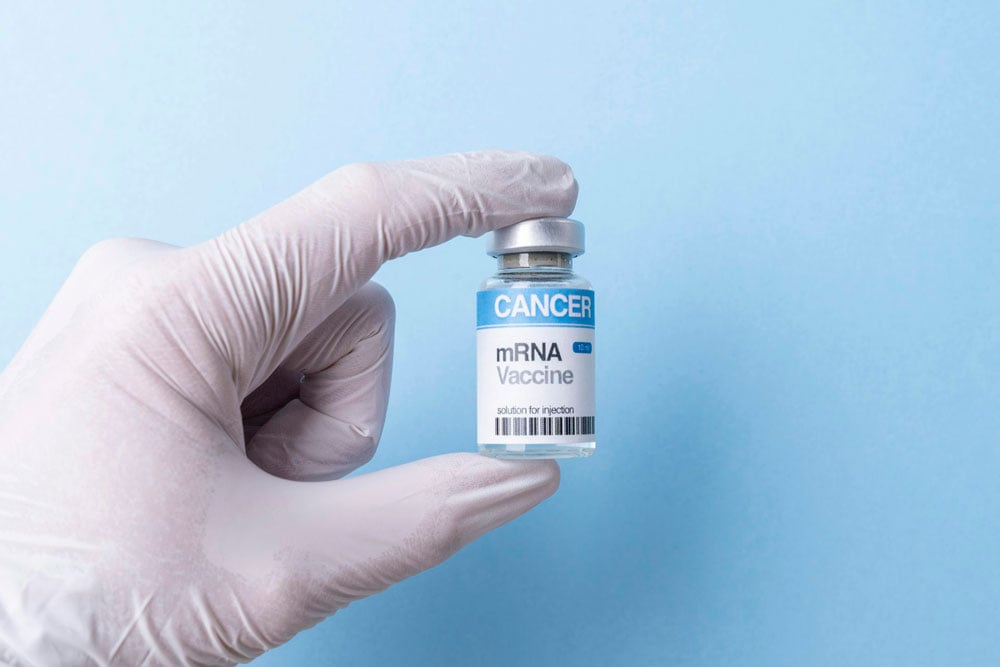
Scientists are making rapid progress toward a long-awaited goal that could help reshape cancer care: mRNA cancer vaccines with the potential to significantly boost the immune system’s ability to fight and eliminate tumors.
Since the early 2000s, researchers have conducted over 120 promising clinical trials testing mRNA vaccines to treat multiple cancer types, including melanoma, brain, breast, lung and prostate cancer. These advancements represent a potential turning point in oncology treatment options.
The progress comes at a time when misinformation about “turbo cancer” has spread widely across social media platforms and occasionally into mainstream media. This false narrative claims that COVID-19 mRNA vaccines cause unusually aggressive cancers, despite no credible scientific evidence supporting such assertions.
Health communication researchers monitoring cancer-related conversations online have observed how quickly these misleading claims can proliferate, potentially undermining public confidence in what could become a revolutionary cancer treatment tool.
While most people first encountered mRNA technology through COVID-19 vaccines, scientists have been studying this approach for decades. The technology works by delivering instructions that prompt the body’s cells to produce specific proteins, teaching the immune system to recognize and attack those proteins. In cancer applications, scientists design highly targeted vaccines that train the immune system to identify tumor cells and kill them effectively without harming healthy tissue.
One notable example comes from studies on glioblastoma, an aggressive brain tumor with few effective treatments. Researchers have found that personalized mRNA vaccines can rapidly activate patients’ immune systems against this brain cancer and improve survival rates. Similar promising results have emerged in studies of melanoma and other difficult-to-treat cancers.
“The growing body of evidence suggests mRNA vaccines could transform how we harness the immune system to treat cancer,” said Dr. Michael Jensen, an oncologist at the Seattle Children’s Research Institute who was not involved in the research. “But even the most promising medical advances can only improve health if people are willing to use them.”
The “turbo cancer” narrative emerged during the COVID-19 pandemic and gained traction through emotionally compelling anecdotes, misinterpretations of preliminary studies, and misuse of adverse event reporting data. Some posts incorrectly link rising cancer rates in younger adults to COVID-19 vaccines, though large population studies have found no increased cancer risk following vaccination.
The spread of such misinformation parallels patterns seen during what researchers call the COVID-19 “infodemic” – the rapid spread of both accurate and false health information during a public health crisis, making it difficult for people to find trustworthy guidance.
Health misinformation can have real consequences. Studies show that inaccurate cancer treatment information influences patient decisions, and when patients rely on unproven approaches instead of recommended therapies, their risk of death can increase substantially. Oncologists increasingly report having to address myths or misleading information that patients encounter online.
“We’re entering a critical phase where scientific progress on mRNA technology is accelerating, but public understanding hasn’t kept pace,” explained Dr. Samantha Miller, director of vaccine communication at the National Cancer Institute. “Repeated exposure to misleading claims can erode trust in mRNA technology over time, potentially causing some patients to decline these therapies in the future.”
Research consistently shows that proactive, transparent communication can counter misinformation, but trust, once lost, is difficult to rebuild. Experts recommend monitoring emerging misinformation trends, addressing concerns early, preparing clinicians for patient conversations, and designing public health messaging that builds understanding of new medical technologies before clinical introduction.
“The future of cancer care depends not just on scientific discovery but on public understanding and trust,” said Dr. Sarah Thompson, medical director at the American Cancer Society. “We must ensure patients can evaluate innovations like mRNA cancer vaccines based on evidence rather than viral misinformation.”
As clinical trials progress and regulatory agencies review data on these promising treatments, healthcare organizations are developing communication strategies to provide accurate information about both the benefits and limitations of mRNA cancer vaccines, recognizing that scientific innovation alone cannot improve health outcomes without effective communication.
Fact Checker
Verify the accuracy of this article using The Disinformation Commission analysis and real-time sources.

14 Comments
The potential for mRNA vaccines to revolutionize cancer care is incredibly exciting. However, the spread of misinformation is worrying and could have serious consequences. We must remain vigilant in promoting accurate, science-based information to the public.
Well said. Maintaining public trust in these emerging therapies will be crucial to realizing their full impact. Rigorous fact-checking and responsible reporting will be essential.
This is an important development in the fight against cancer. mRNA technology holds great promise for more effective and personalized cancer treatments. It’s critical that we rely on credible scientific sources and avoid spreading misinformation that could undermine public trust in these advancements.
Absolutely. Fact-based reporting and open dialogue with the public will be essential to ensuring these treatments reach their full potential.
As a cancer survivor, I’m encouraged to see the progress being made with mRNA vaccines. However, the spread of misinformation is deeply concerning and could have devastating consequences. It’s critical that we amplify the voices of medical experts and fact-checkers to combat these false narratives.
I agree completely. Providing the public with reliable, science-based information is essential to ensuring these advancements can reach those who need them most.
As someone with a family member who battled cancer, I’m encouraged to see the progress being made with mRNA vaccines. While misinformation is always concerning, I’m hopeful that the medical community can effectively communicate the benefits and safety of these treatments.
I share your hope. Transparent communication from trusted experts will be key to separating fact from fiction and building public confidence.
This is an exciting development, but the spread of misinformation about mRNA vaccines is worrying. We must do more to combat false narratives and ensure the public has access to accurate, up-to-date information from trusted medical experts.
Absolutely. Responsible reporting and transparent communication will be essential to maintaining public trust and allowing these advancements to reach their full potential.
As an investor in the biotech sector, I’m closely following the progress of mRNA cancer vaccines. The advancements are very promising, but the threat of misinformation is concerning. Careful communication and education will be key to ensuring these treatments reach patients safely and effectively.
I agree. Investors and the public alike will need to rely on credible, science-based information to properly evaluate the risks and benefits of these innovative therapies.
While the potential of mRNA cancer vaccines is undeniable, the prevalence of misinformation is a serious concern. We must be vigilant in promoting science-based information and debunking false claims that could undermine public confidence in these life-saving treatments.
Well said. Fact-based dialogue and cooperation between the medical community, media, and the public will be crucial to overcoming the challenges posed by misinformation.