


Listen to the article
In the wake of growing national attention around a controversial parole decision, Minnesota’s top corrections official has addressed the wave of misinformation surrounding the case, calling it a significant challenge for public officials.
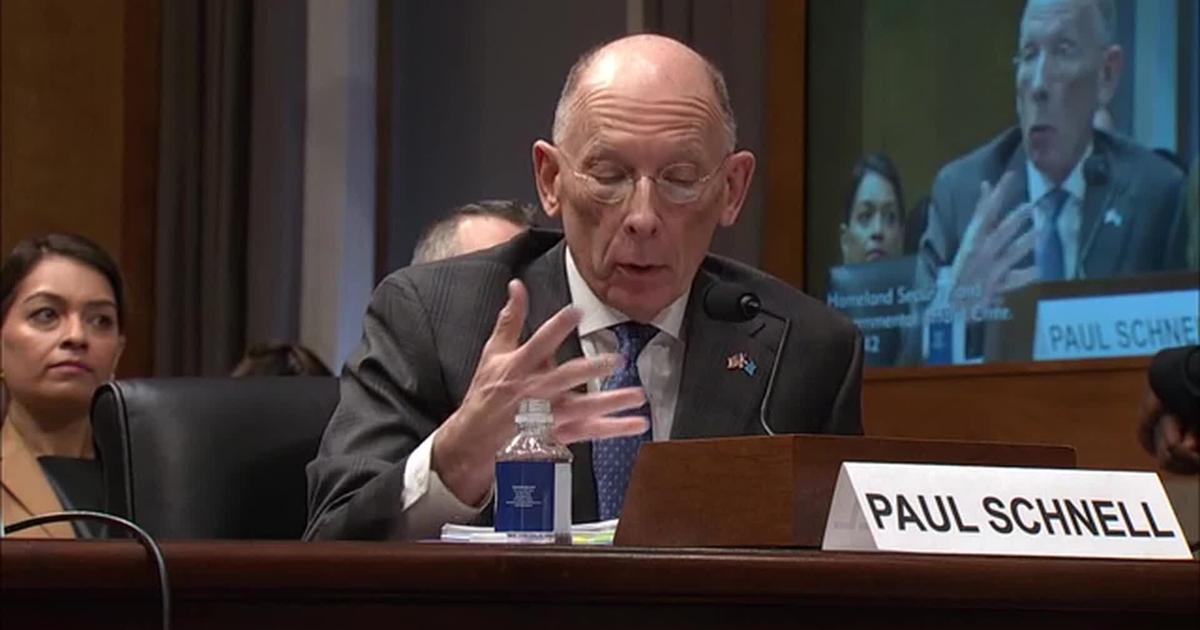
Speaking at a press conference Thursday, Minnesota Department of Corrections Commissioner Paul Schnell acknowledged the difficulties his department faces when trying to communicate accurate information in a climate where false narratives can spread rapidly through social media and other channels.
“The prevalence of misinformation makes our job substantially more difficult,” Schnell stated. “When incorrect details about case facts or departmental procedures circulate widely, it undermines public trust and creates unnecessary fear in communities.”
The commissioner’s remarks came in response to a controversial parole decision that has drawn criticism from various political figures and sparked heated debates across the state. While Schnell did not name specific instances of misinformation, he emphasized that many public reactions have been based on incomplete or inaccurate understandings of the case details and the parole process.
Minnesota’s parole system has long operated under guidelines that weigh multiple factors, including inmate behavior, rehabilitation progress, and public safety considerations. Schnell noted that these decisions are made by professional boards following established protocols rather than being politically motivated.
“These are complex determinations made by career professionals applying consistent standards,” he explained. “While public opinion is important, parole decisions must ultimately be based on legal criteria and risk assessment tools developed over decades.”
The controversy has highlighted broader tensions in criminal justice reform efforts nationwide. Many states, including Minnesota, have been working to reduce prison populations through various means, including more active use of parole for eligible inmates who demonstrate rehabilitation. However, these efforts often face pushback, particularly in high-profile cases.
Criminal justice experts point out that parole serves multiple purposes within the correctional system. Professor James Densley of Metropolitan State University in St. Paul explained, “Parole isn’t merely about showing mercy to offenders. It’s a crucial tool for managing reentry to society, reducing recidivism, and ultimately enhancing public safety when implemented correctly.”
The spread of misinformation about parole decisions has real consequences, according to Schnell. It can lead to public pressure that potentially compromises the integrity of a system designed to operate independently of political influence. It also makes it difficult for corrections officials to communicate effectively with communities about genuine public safety concerns.
“We need to distinguish between legitimate public debate about our policies and the spread of falsehoods,” Schnell added. “One strengthens our system; the other undermines it.”
State officials have pledged to improve transparency around parole decisions while maintaining the necessary confidentiality that protects both victims and offenders. The department has announced plans to publish more comprehensive data about parole outcomes and recidivism rates to provide context for public discussions.
Community advocates have expressed support for the commissioner’s stance. Maya Johnson, director of the Minnesota Justice Coalition, said, “When we make decisions based on misinformation rather than facts, we risk creating policies driven by fear rather than effectiveness. Commissioner Schnell is right to call for a more informed conversation.”
As the debate continues, corrections officials face the difficult task of balancing public transparency with the need for due process in individual cases. Schnell emphasized that his department remains committed to both public safety and the rehabilitation principles that have guided Minnesota’s corrections system for decades.
“Our ultimate goal is a safer Minnesota,” Schnell concluded. “That requires honest dialogue based on facts, even when those conversations are challenging.”
Fact Checker
Verify the accuracy of this article using The Disinformation Commission analysis and real-time sources.

11 Comments
It’s concerning to hear about the challenges of combating misinformation, especially on sensitive public safety issues. Clear, honest communication from officials is so important these days.
While it’s understandable that controversial decisions like parole can spark heated debates, spreading false details is counterproductive. Focusing on the facts and procedures is crucial.
Agreed. Even when people disagree with decisions, resorting to misinformation rather than reasoned discussion is not the answer. Transparency and open dialogue are needed.
Misinformation can certainly be a significant challenge for public officials. It’s crucial that they communicate accurate information clearly and address false narratives head-on to maintain public trust.
Agreed. Transparency and fact-based communication are key, especially on sensitive issues like parole decisions. Spreading misinformation only sows more fear and division.
The commissioner makes a good point – misinformation can really undermine public trust in institutions. Proactive fact-based communication is essential, even on difficult topics.
Exactly. Trying to get accurate information out there and address false narratives head-on is crucial. It’s an ongoing battle, but an important one for maintaining confidence in the system.
Misinformation is a major problem that goes way beyond just this particular case. Officials at all levels need to be vigilant about combating the spread of false narratives.
This is an important issue that goes beyond just corrections. Combating the spread of misinformation should be a priority across all levels of government and public institutions.
Absolutely. Misinformation erodes public faith in institutions and the democratic process. Officials must be proactive in getting accurate, evidence-based information out there.
This is a complex issue without easy solutions. But the commissioner is right – the prevalence of misinformation makes the job of public officials much harder. Transparency and clear communication are key.