


Listen to the article
Philadelphia Archivist Marion Stokes’ Revolutionary Media Preservation Project Lives On
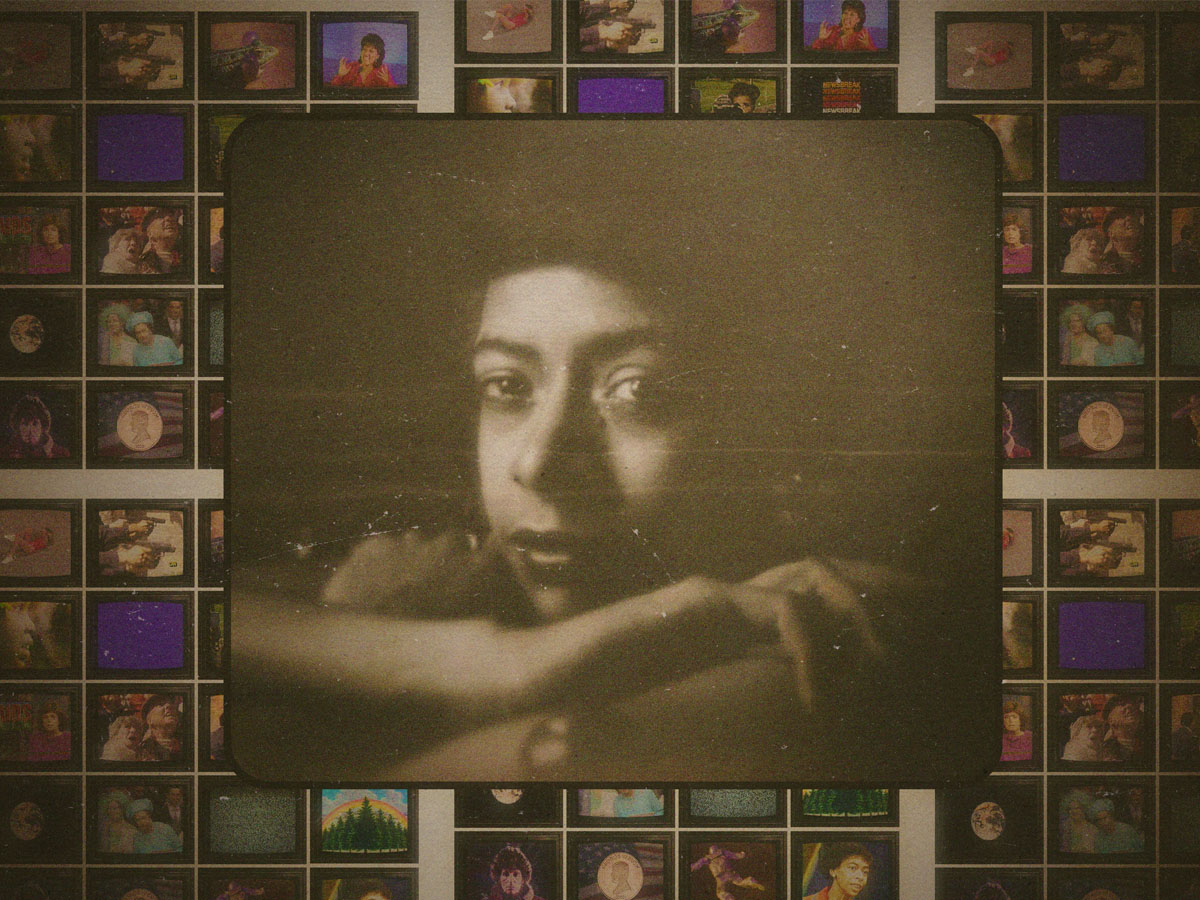
In an era of digital manipulation and media distortion, the legacy of Marion Stokes stands as a testament to one woman’s extraordinary commitment to preserving the unfiltered truth. Over three decades, Stokes amassed what would become one of the most comprehensive private archives of American television history—approximately 70,000 VHS tapes containing broadcasts from 1975 until her death in 2012.
Born on November 25, 1925, Stokes led a remarkable life of activism and foresight long before her archival mission began. As a founding board member of the National Organization for Women and an organizer who arranged transportation for five busloads of participants to the historic March on Washington, Stokes demonstrated early on her commitment to social justice. Her leftist activism was so significant that it attracted the attention of the Communist Party USA, which reportedly courted her for a leadership position, and placed her under FBI surveillance.
“She understood media manipulation before most people even recognized it existed,” explains Michael Metelits, Stokes’ son, in a recent interview. “My mother saw how information could be reframed or simply disappear from the public record.”
After working as a librarian at the Free Library of Philadelphia for two decades, Stokes was dismissed due to her political activities. This professional setback coincided with a pivotal moment in media history—the emergence of the 24-hour news cycle. Recognizing the profound implications of this shift, Stokes embarked on her ambitious archiving project.
Her early investment in Apple stock provided the financial independence necessary to pursue this massive undertaking. With newfound resources, Stokes began methodically recording television broadcasts across multiple channels simultaneously, capturing everything from major news programs to popular sitcoms like “The Cosby Show” and talk shows like “Oprah.”
The logistics of this operation were staggering. Stokes scheduled her daily activities around the six-hour recording capacity of VHS tapes, rushing home to change them out before they reached capacity. Family vacations required elaborate planning to ensure someone would be available to maintain the continuous recording schedule. Her dedication bordered on obsession, filling nine properties and three storage units with meticulously labeled recordings.
“It was an all-consuming mission,” notes media historian Jeff Ubois. “What’s remarkable is that she recognized the ephemeral nature of broadcast television at a time when networks themselves weren’t preserving much of their content.”
The value of Stokes’ collection has grown exponentially in the digital age. In 2013, the Internet Archive acquired her collection, beginning the painstaking process of digitizing thousands of hours of footage that would otherwise have been lost to time. The collection provides an unfiltered window into how news events were initially reported before narratives could be reshaped.
Media scholars note that Stokes’ archive has become particularly valuable for studying coverage of pivotal moments like the Iran Hostage Crisis, the end of the Cold War, and the September 11 attacks. The collection offers researchers the opportunity to analyze how media framing evolved over time and how public understanding was shaped by television coverage.
“Marion Stokes created what amounts to a truth insurance policy,” says Roger Macdonald, director of the Television Archive at the Internet Archive. “She preserved the first draft of history as it was broadcast, before anyone had a chance to revise it.”
As concerns about misinformation and media manipulation continue to grow in our social media landscape, Stokes’ prescient work serves as both inspiration and cautionary tale. Her commitment to documentation came at considerable personal cost, straining family relationships and consuming her daily life, yet produced an invaluable historical resource.
For today’s media consumers navigating an increasingly complex information ecosystem, Marion Stokes’ legacy offers a powerful reminder of the importance of preserving primary sources and maintaining vigilance against the erosion of truth—a mission that remains as vital today as when she began her remarkable archive nearly five decades ago.
Fact Checker
Verify the accuracy of this article using The Disinformation Commission analysis and real-time sources.

11 Comments
Kudos to Marion Stokes for taking such a proactive stance against misinformation. Her foresight in archiving TV broadcasts is especially relevant in today’s era of digital manipulation and ‘fake news’.
Fascinating story about Marion Stokes and her remarkable archiving efforts to preserve unfiltered TV history. She truly was ahead of her time in recognizing the importance of media preservation.
I’m amazed at the scale of her VHS collection – 70,000 tapes over 3 decades is an incredible achievement. It’s a shame more people didn’t appreciate the value of her work during her lifetime.
Marion Stokes’ story is a great example of how passionate individuals can make a real difference in preserving important historical records. Her commitment to truth and transparency is truly inspiring.
What an incredible legacy Marion Stokes has left behind. Her commitment to preserving the unfiltered truth, even in the face of personal risk, is truly admirable. This is an inspiring story of one person’s fight against misinformation.
I’m really intrigued by this story. It’s amazing that one person could amass such a comprehensive archive of American TV history. I hope her collection can be properly preserved and made accessible to researchers and the public.
The sheer volume of her VHS recordings is mind-boggling. I can only imagine the logistical challenges in digitizing and cataloging all of that content. It’s a daunting but incredibly valuable endeavor.
Marion Stokes seems like an unsung hero of media preservation. Her commitment to documenting the unfiltered truth, even in the face of FBI surveillance, is really admirable.
I wonder what insights her archive might provide about media bias and manipulation over the decades. It could be a valuable resource for researchers studying the evolution of news coverage.
This is a fascinating piece of history. It’s remarkable that Stokes had the foresight and dedication to document the evolution of American television over such a long period of time. Her archive could be a goldmine for media researchers.
I wonder if any of Stokes’ recordings captured significant news events or cultural moments that have been lost or distorted in the digital age. Her collection could provide valuable context and insights.