


Listen to the article
Jammu and Kashmir officials have called for stronger measures to combat fake news and misinformation, emphasizing media’s responsibility as the “fourth pillar of democracy” during a recent Legislative Assembly discussion.
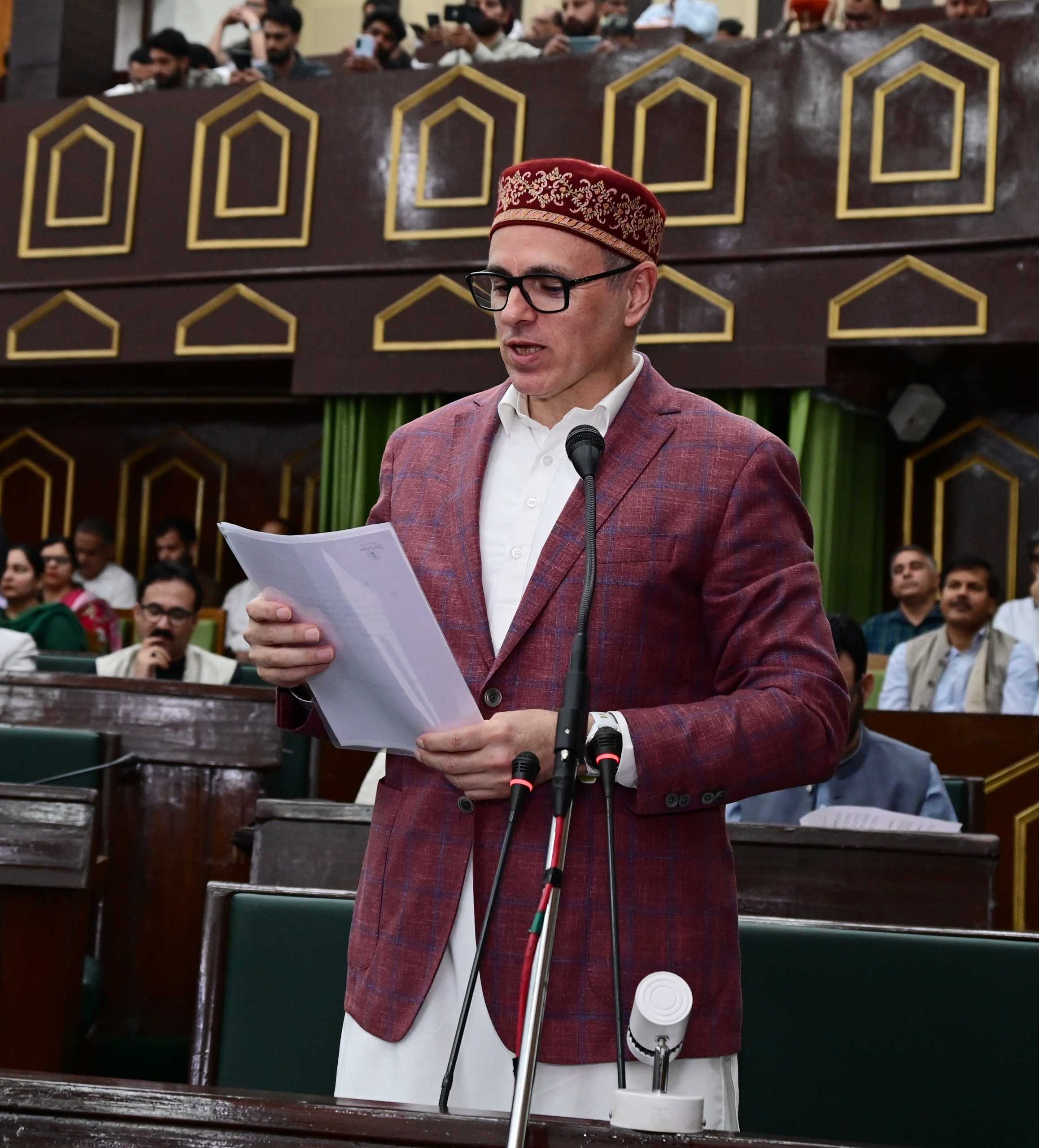
Deputy Chief Minister Surinder Choudhary addressed the assembly in Jammu, acknowledging that while social media has democratized information access, it has simultaneously created unprecedented challenges for information integrity in the union territory.
“A strong Jammu and Kashmir will lead to a strong India,” Choudhary stated. “Media must act responsibly, as no law can replace self-discipline.” His remarks underscored the government’s concern about misinformation’s potential impact on the region’s stability and democratic functioning.
The discussion comes amid growing national concern about misinformation in India’s digital landscape. With smartphone penetration reaching even remote areas of Jammu and Kashmir, officials expressed worry about the rapid spread of unverified content that could potentially inflame tensions in the politically sensitive region.
Minister for Youth Services and Sports, Satish Sharma, proposed a two-pronged approach, suggesting incentives for responsible media practitioners while advocating for punitive measures against those deliberately spreading false information. This balanced approach received broad support across party lines, though legislators emphasized that any regulatory framework must not infringe on legitimate freedom of speech protections.
MLA Ranbir Singh Pathania presented one of the most comprehensive proposals during the session, outlining a regulatory framework that would include a 36-hour takedown mechanism for flagged content. His plan also called for district-level definitions of fake news that would account for local sensitivities and a union territory-level Fact Check Unit to coordinate verification efforts.
Several other legislators contributed substantive recommendations. Dr. Bashir Ahmad Shah Veeri and Iftikhar Ahmad emphasized the need for minimum qualification standards for journalists, particularly those working in digital media. Meanwhile, Sajjad Shaheen, Khurshied Ahmed, and Pawan Gupta focused on improving regulatory oversight and accountability mechanisms.
The proliferation of unlicensed digital platforms emerged as a particular concern during the discussion. With barriers to entry nearly nonexistent, numerous websites and social media channels operate without adhering to journalistic standards or regulatory oversight, creating what one legislator called “a wild west of information.”
The assembly appeared to reach consensus on the need for a specialized law to regulate media operations in the union territory, with particular emphasis on digital platforms. Legislators stressed that such regulation should distinguish between responsible journalism and content designed to mislead or inflame.
In a move toward localized oversight, the discussion proposed empowering District Development Commissioners to monitor media activities within their jurisdictions. This approach would allow for faster response to region-specific misinformation while accommodating the diverse cultural and linguistic landscape of Jammu and Kashmir.
The session concluded with a proposal to form a House committee that would work in coordination with accredited media representatives to develop comprehensive guidelines. This collaborative approach aims to ensure that any regulatory framework benefits from the expertise of professional journalists while addressing government concerns about information integrity.
The discussion in Jammu and Kashmir reflects broader national and international trends toward increased regulation of digital media. Similar debates have occurred in India’s parliament and state assemblies, as governments worldwide grapple with balancing free speech protections against the demonstrable harms of unchecked misinformation.
Media organizations in the region have responded with mixed reactions, with established outlets generally supporting enhanced standards while expressing concern about potential government overreach. The outcome of this legislative discussion could significantly reshape the media landscape in Jammu and Kashmir in the coming years.
Fact Checker
Verify the accuracy of this article using The Disinformation Commission analysis and real-time sources.

16 Comments
Combating misinformation is a complex challenge, but the government’s efforts to address it in Jammu and Kashmir are commendable. Fostering media accountability and digital literacy should be key priorities.
The government’s acknowledgment of the media’s role as the fourth pillar of democracy is a positive sign. Striking the right balance between media freedom and responsibility is essential for a thriving democracy.
It’s encouraging to see Jammu and Kashmir officials taking concrete measures to address misinformation. As the fourth pillar of democracy, the media must uphold the highest standards of accuracy and integrity.
Interesting development in Jammu and Kashmir. Addressing misinformation and media responsibility is crucial for stability and democracy. Strong regulations are needed, but self-discipline in the media is equally important.
I agree, the rapid spread of unverified content in the digital age can have serious consequences, especially in politically sensitive regions. A balanced approach is needed.
This is a timely discussion, as misinformation can have severe consequences, especially in regions like Jammu and Kashmir. A collaborative approach between the government and media is crucial to find effective solutions.
Addressing misinformation is a critical issue, and the government’s call for greater media responsibility is a step in the right direction. Fostering a culture of ethical journalism and digital literacy should be a priority.
The government’s concern about the impact of misinformation on regional stability is understandable. Empowering the media to be more responsible and self-regulating is a prudent approach to tackle this challenge.
Absolutely. Proactive measures to promote digital literacy and media accountability can go a long way in building a more informed and resilient society.
Misinformation is a growing concern, and the government’s acknowledgment of media’s responsibility is a step in the right direction. Strengthening digital literacy and promoting ethical journalism practices should be the focus.
I agree. Incentivizing responsible media behavior and fostering a culture of self-discipline can complement regulatory measures to combat the spread of fake news.
Jammu and Kashmir’s efforts to combat misinformation are commendable. Strengthening media accountability and promoting self-discipline within the industry are crucial to safeguarding the integrity of information in the digital age.
I agree. A collaborative approach between the government and media, involving both regulatory measures and voluntary initiatives, can effectively address the challenges posed by the spread of fake news.
Combating misinformation is a complex challenge, but the government is right to prioritize it. Strengthening media accountability and digital literacy are important steps to address this problem.
Absolutely. Proper incentives and self-regulation within the media industry can go a long way in promoting responsible journalism and curbing the spread of fake news.
Jammu and Kashmir’s efforts to address misinformation are commendable. Balancing media freedom and accountability is crucial for a healthy democracy. Comprehensive strategies involving both the government and media are needed.