


Listen to the article
CDC Website Update Sparks Controversy Over Vaccines and Autism Link
In a dramatic policy reversal that has shocked health experts, the Centers for Disease Control and Prevention (CDC) website now suggests a potential link between vaccines and autism—contradicting decades of scientific consensus and the agency’s own previous position.
The controversial update, which appeared Wednesday, states that “studies supporting a link have been ignored by health authorities” and that “the claim ‘vaccines do not cause autism’ is not an evidence-based claim because studies have not ruled out the possibility that infant vaccines cause autism.” The site now indicates that the Department of Health and Human Services (HHS) has launched an investigation into autism’s root causes with a focus on “plausible biologic mechanisms.”
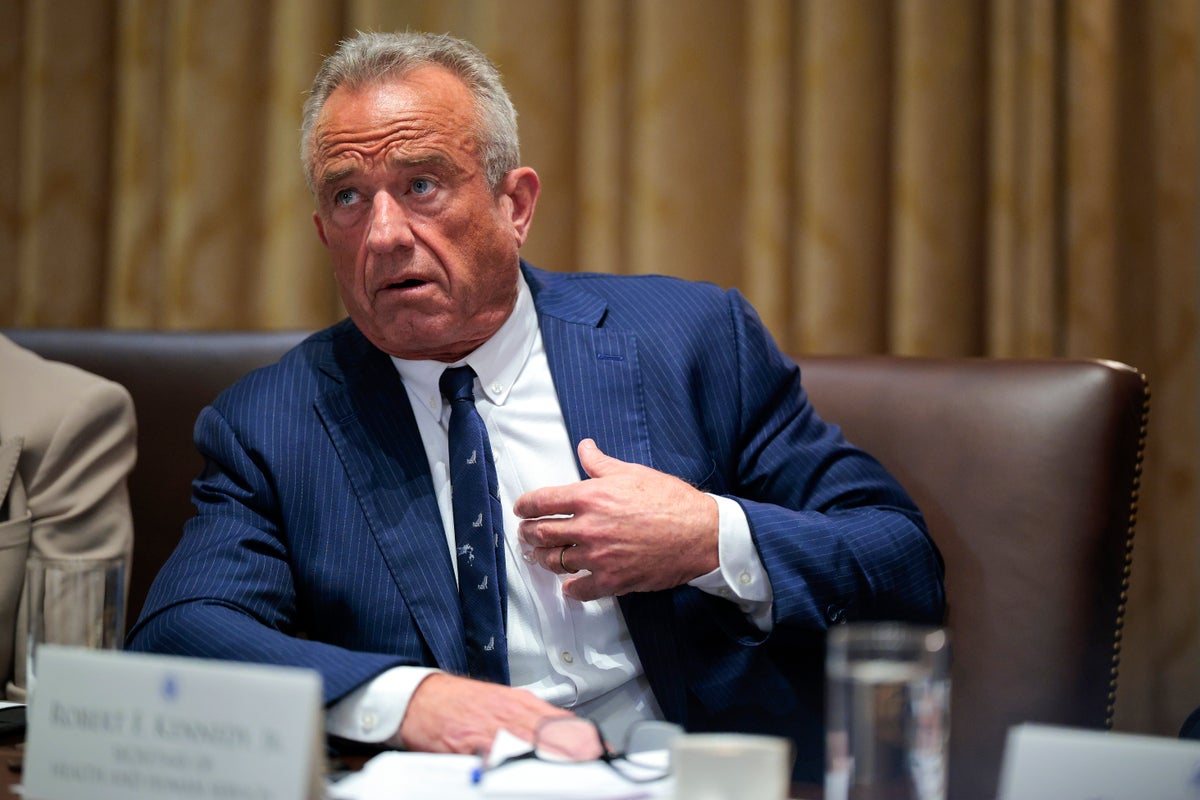
This abrupt change reflects the views of HHS Secretary Robert F. Kennedy Jr., a longtime vaccine skeptic who has made questioning vaccine safety a cornerstone of his public advocacy for nearly two decades.
Prior to this modification, the CDC website had unequivocally stated that scientific studies found “no link” between vaccines or their ingredients and autism development. The medical and scientific communities have consistently maintained this position based on numerous large-scale studies conducted since a now-retracted 1998 paper first suggested such a connection.
“The CDC cannot currently be trusted as a scientific voice,” said Demetre Daskalakis, former head of the agency’s center responsible for respiratory viruses and immunizations, in comments to The Washington Post. Daskalakis, who resigned this summer in protest over what he described as politicization of the agency, added: “The weaponization of the CDC voice by validating false claims on official websites confirms what we have been saying.”
The timing of the website changes raises questions about commitments Kennedy made during his Senate confirmation process. Republican Senator Bill Cassidy of Louisiana had expressed reservations about Kennedy’s nomination but ultimately supported him after Kennedy reportedly agreed that “CDC will not remove statements on their website pointing out that vaccines do not cause autism.”
HHS spokesman Andrew Nixon defended the website modifications, telling The Washington Post, “We are updating the CDC’s website to reflect gold standard, evidence-based science.” However, Nixon did not clarify who authorized the changes or the specific rationale behind them.
Kennedy’s skepticism about vaccine safety dates back to at least 2005, when he published an article in Rolling Stone pushing theories about vaccine dangers. That article was later removed by the publication. Throughout his unsuccessful 2024 presidential campaign, Kennedy frequently discussed what he characterized as vaccine risks.
The prevalence of autism has increased significantly in recent years, with CDC data now indicating the condition affects approximately one in 31 children in the United States. While scientists have been researching potential genetic and environmental factors contributing to autism spectrum disorders, the scientific consensus has remained that vaccines are not causative.
Just last month, Kennedy sparked additional controversy during an October press conference with President Donald Trump when he announced a purported link between autism and acetaminophen, advising pregnant women to avoid Tylenol—a recommendation that contradicted guidance from major medical organizations.
The website update comes amid reported tensions within the administration’s health leadership. According to Politico, Kennedy is engaged in a “power struggle” with FDA Commissioner Marty Makary over vaccine policy approaches.
Public health experts worry this shift could undermine vaccination rates and public trust in health institutions at a time when childhood immunization levels have already declined in many areas. The controversy highlights growing concerns about the politicization of scientific agencies and the potential impact on public health messaging and policy.
Fact Checker
Verify the accuracy of this article using The Disinformation Commission analysis and real-time sources.

16 Comments
Vaccines have saved countless lives by preventing devastating diseases. While we should always be open to new scientific findings, the overwhelming consensus is that vaccines do not cause autism. I hope the CDC quickly corrects this misinformation and reaffirms its commitment to evidence-based policymaking.
Absolutely. Undermining public confidence in vaccines could have severe public health consequences, especially for vulnerable populations. The CDC needs to act swiftly to address this.
This is a concerning development that could undermine public trust in vaccines. While the link between vaccines and autism has been thoroughly debunked, having the CDC contradict its own longstanding position is troubling. We need to rely on rigorous scientific evidence, not political agendas, when it comes to public health policy.
I agree. Reversing the CDC’s position on this issue without strong new evidence is irresponsible and could lead to real harm if it discourages vaccination.
As a parent, I’m deeply worried about the potential impact of this CDC website update. Vaccines have an exemplary safety record and do not cause autism. I hope the agency swiftly corrects this misinformation and reaffirms its commitment to protecting public health through evidence-based policies.
I agree. Undermining confidence in vaccines, one of our most important public health tools, could have devastating consequences, especially for children and vulnerable populations. The CDC must act quickly to address this.
This seems like a concerning political move rather than a scientific one. I hope the CDC investigates this change thoroughly and restores its credible, evidence-based guidance on vaccine safety. Maintaining public trust in vaccines is critical for protecting community health.
Well said. Introducing doubt about vaccine safety without compelling new data is irresponsible and could undo decades of progress in public health.
While I respect the desire to investigate all possible causes of autism, undermining public faith in vaccines is extremely dangerous. The scientific consensus on this issue is clear – vaccines save lives and do not cause autism. I hope the CDC swiftly corrects this misinformation for the sake of public health.
Well said. Promoting unsubstantiated claims about vaccine safety in the face of overwhelming evidence to the contrary is irresponsible and could have devastating impacts.
This is a concerning development that could have serious public health implications. The link between vaccines and autism has been extensively studied and firmly debunked. I hope the CDC promptly restores its evidence-based guidance and continues to champion the safety and efficacy of vaccines.
Well said. Reversing course on this issue without compelling new data is irresponsible and could undo decades of progress in controlling infectious diseases. The CDC must uphold its commitment to sound science over political agendas.
This is a concerning development that could erode trust in the CDC and public health authorities. Vaccines are one of our most effective tools for preventing disease and protecting vulnerable populations. I hope the agency quickly reaffirms its evidence-based position on this issue.
Absolutely. The CDC must remain a trusted, impartial source of public health guidance based on rigorous science, not political agendas. Reversing course on this issue without new evidence is deeply troubling.
As someone with a background in science, I’m troubled by the CDC’s apparent shift on this issue. The link between vaccines and autism has been extensively studied and debunked. I hope the agency remains committed to basing its policies on rigorous, impartial research rather than political agendas.
I share your concerns. Vaccine hesitancy is already a major public health challenge, and this type of messaging from the CDC could exacerbate that problem with serious consequences.