


Listen to the article
CDC Website Update Sparks Controversy as Kennedy Administration Changes Stance on Vaccines and Autism
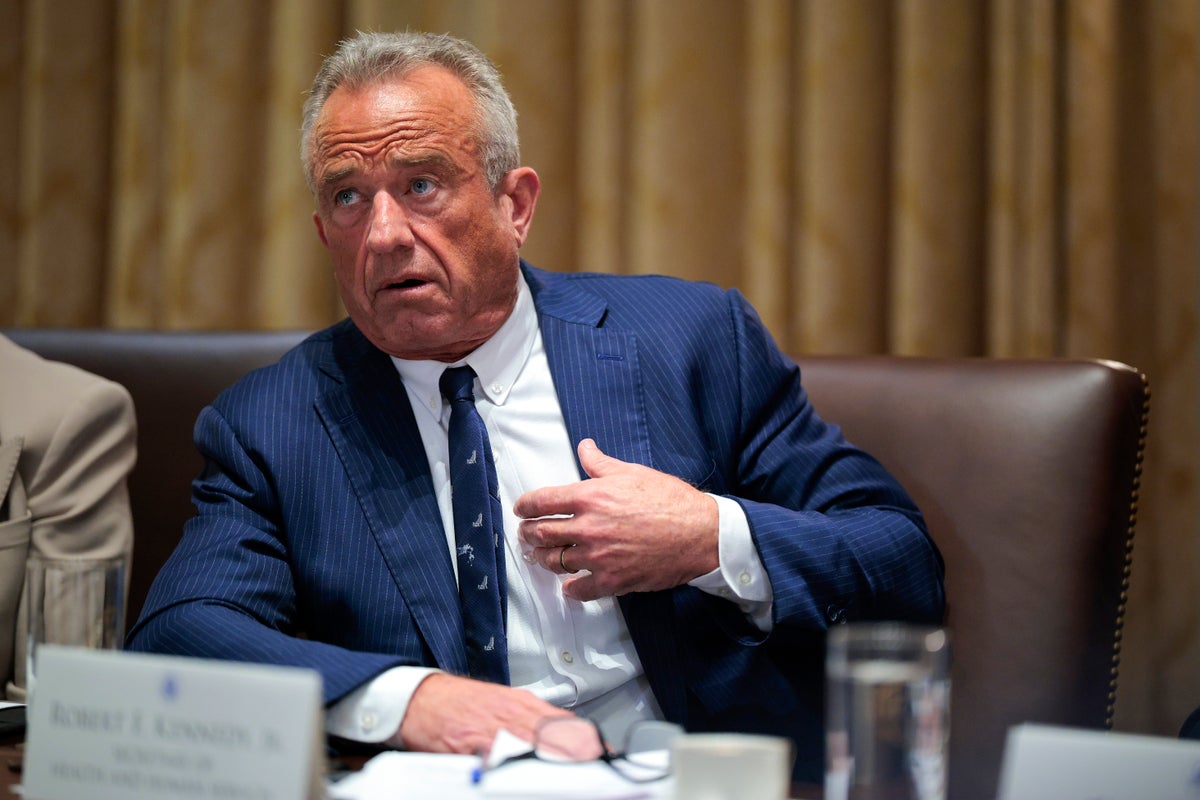
The Centers for Disease Control and Prevention’s website underwent a significant and controversial update Wednesday, reversing decades of scientific consensus by suggesting a potential link between vaccines and autism. The change, which has shocked many public health experts, reflects the views of Health and Human Services Secretary Robert F. Kennedy Jr., a longtime vaccine skeptic who has made challenging mainstream immunization science a cornerstone of his career.
Prior to the update, the CDC website clearly stated that studies had found “no link” between vaccines or their ingredients and the development of autism. The revised language now claims that “studies supporting a link have been ignored by health authorities” and that “the claim ‘vaccines do not cause autism’ is not an evidence-based claim because studies have not ruled out the possibility that infant vaccines cause autism.”
The website further notes that HHS has initiated an investigation into the root causes of autism, with a focus on “plausible biologic mechanisms.”
This abrupt shift in messaging has alarmed former CDC officials. Demetre Daskalakis, who resigned this summer as head of the agency’s center for respiratory viruses and immunizations, told The Washington Post that the CDC “cannot currently be trusted as a scientific voice.” He described the changes as a “weaponization of the CDC voice by validating false claims on official websites.”
The supposed connection between vaccines and autism originated in a 1998 research paper that was later retracted due to methodological flaws and ethical concerns. Despite being thoroughly debunked by numerous large-scale studies in the years since, the theory gained traction in certain circles and has been persistently championed by Kennedy.
When questioned about the website changes, HHS spokesman Andrew Nixon told the Post, “We are updating the CDC’s website to reflect gold standard, evidence-based science.” He did not elaborate on who authorized the changes or the specific rationale behind them.
The timing of this policy shift is particularly notable as it appears to contradict commitments Kennedy made during his Senate confirmation process. Republican Senator Bill Cassidy of Louisiana had expressed misgivings about Kennedy’s nomination but ultimately supported him after receiving assurances that included a promise that “the CDC will not remove statements on their website pointing out that vaccines do not cause autism.”
Kennedy’s focus on autism has intensified since taking office. During an October press conference with President Donald Trump, he announced a supposed link between autism and acetaminophen, advising pregnant women to avoid Tylenol—a recommendation that drew immediate criticism from medical organizations.
The autism-vaccine theory has been a defining issue for Kennedy throughout his career. In 2005, he published an article in Rolling Stone advancing this theory, which was later removed by the publication. During his unsuccessful presidential campaign in 2024, he frequently discussed what he characterized as the dangers of vaccines.
According to CDC data, autism spectrum disorder now affects approximately one in 31 children in the United States. The scientific consensus remains that autism has strong genetic components, with environmental factors potentially playing a role during early development.
The website changes come amid reported tensions within the health leadership of the Trump administration. According to Politico, Kennedy is engaged in a “power struggle” with FDA Commissioner Marty Makary over vaccine policy approaches.
Public health experts worry that this official rebranding of the government’s position could undermine vaccination rates and erode public trust in evidence-based medicine at a time when childhood immunization rates have already seen concerning declines in many parts of the country.
Fact Checker
Verify the accuracy of this article using The Disinformation Commission analysis and real-time sources.

12 Comments
This seems like a very troubling development. Vaccines are one of our most important public health tools, and we can’t afford to sow doubt about their safety and efficacy. I hope the CDC and HHS put science first and don’t give in to anti-vax pressure.
Agreed. Vaccine hesitancy is already a major issue, and this could make it much worse. The CDC needs to be extremely careful about making claims that contradict the overwhelming scientific consensus.
I’m quite skeptical of this CDC website update. The scientific evidence on vaccine safety is clear, and we can’t let politics override public health. I hope the administration reconsiders this decision and reaffirms the CDC’s longstanding, evidence-based position.
Absolutely. Vaccine-preventable diseases have been largely eradicated thanks to widespread vaccination. We can’t afford to go backwards and risk undoing that progress. The CDC should remain steadfast in its commitment to science-based policies.
This seems like a very risky move by the Kennedy administration. Vaccines are one of our most important public health tools, and we can’t afford to spread misinformation that could discourage vaccination. I hope they reconsider this decision and reaffirm the scientific consensus.
Agreed. Vaccine hesitancy is already a major problem, and this could make it much worse. The CDC should be guided by data, not political agendas, when it comes to something as critical as childhood immunization.
I’m very curious to see what the results of the HHS investigation will be. While the potential link between vaccines and autism deserves rigorous study, we can’t ignore decades of scientific evidence showing no connection. I hope they approach this objectively and transparently.
Me too. The CDC website update is certainly attention-grabbing, but I’ll wait to see the actual research findings before forming an opinion. Maintaining public trust in vaccines should be the top priority here.
Wow, this is a controversial and concerning update from the CDC. While I respect the Biden administration’s focus on science, I worry this could undermine public trust in vaccines and spark new anti-vax sentiment. I hope they tread carefully and rely on robust, peer-reviewed research.
I share your concerns. Vaccines have saved millions of lives, and we shouldn’t reverse course without strong scientific evidence. The CDC needs to be extremely cautious with claims about vaccine-autism links.
This is a concerning development that could have serious public health consequences. While I respect the administration’s stated desire to investigate the issue further, the CDC’s previous stance was firmly grounded in rigorous scientific research. I hope they tread very carefully here.
Agreed. Vaccine hesitancy is already a major challenge, and sowing doubt about their safety could lead to a resurgence of preventable diseases. The CDC needs to be extremely cautious and transparent in its approach to this sensitive issue.