


Listen to the article
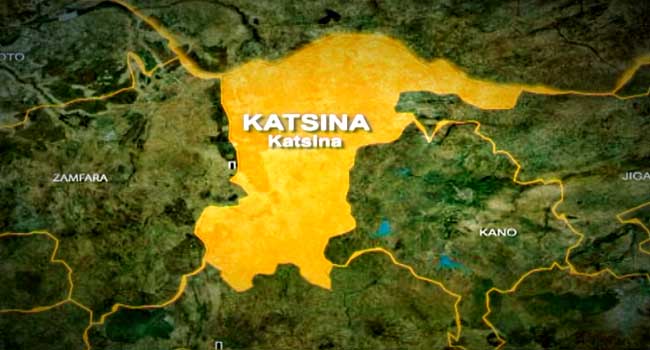
In a collective effort to combat the growing menace of misinformation, residents of Dabawa community in Dutsinma Local Government Area of Katsina State gathered on Saturday for a dialogue and sensitisation programme. The initiative, focused on tackling misinformation, hate speech, and harmful narratives, aims to preserve the peace and unity of the state amid rising concerns about information integrity.
The Centre for Democracy and Development West Africa (CDD West Africa), working through the Community Development Committee (CDC), organized the event which drew a diverse audience including community leaders, youth representatives, and local residents. The programme created a platform to discuss the dangers posed by false information and emphasized the critical importance of responsible communication practices.
Hassan Musa, a CDC member, opened discussions by highlighting various forms of harmful narratives that threaten community cohesion, including misinformation, disinformation, malinformation, and hate speech. Two other CDC members, Umar Maigari and Asma’u Abubakar, provided further clarity on these concepts, explaining that misinformation involves sharing false information without malicious intent, while disinformation represents deliberate attempts to mislead the public.
The speakers also elaborated on malinformation, describing it as genuine information that is weaponized or presented in a harmful context. Participants learned how these deceptive practices can erode trust, intensify tensions, and create deep divisions within communities.
A hands-on verification workshop formed a core component of the programme, equipping attendees with practical skills to identify manipulated content, verify information sources, and avoid becoming unwitting spreaders of false narratives. These skills are particularly valuable in Katsina State, which has faced security challenges in recent years that are often exacerbated by rumor and misinformation.
Ishaq Ibrahim Dandanku facilitated a strategic session where participants proposed methods to reduce harmful narratives in their community. Suggestions included increasing public awareness through regular community meetings, actively involving youth and religious leaders as information gatekeepers, promoting fact-checking habits, and strengthening local communication channels to ensure accurate information flow.
Building on these foundations, Muktar Abba, another CDC member, led discussions on creating early-warning and rapid-response systems. These systems would enable community members to quickly report suspicious information, establish dedicated response teams, and ensure trusted community leaders can provide accurate updates during periods of tension or crisis.
Mary Okpe, CDD Head of Programmes, provided context by explaining that the initiative falls under the organization’s Strengthening Information Literacy and Social Cohesion (StILASC) project. This project, implemented as part of the SPRiNG Programme funded by the UK Foreign, Commonwealth and Development Office (FCDO), focuses on building capacity among community stakeholders in fact-checking, verification, and responsible information dissemination.
“The project targets community leaders, gatekeepers, and students across Kaduna, Katsina, Benue, and Plateau states,” Okpe explained. These states have experienced various forms of communal conflict that information disorders have sometimes intensified.
Okpe emphasized that “Misinformation, disinformation, and hate speech often fuel communal tensions and weaken social cohesion,” highlighting why community leaders, religious authorities, youth representatives, and civil society actors play pivotal roles in shaping public narratives.
Hannah Aaron, a CDD West Africa official, urged participants to build resilience against false information, promote transparency in communication, and sustain awareness campaigns to strengthen peace in Dabawa and surrounding areas.
The programme concluded with an interactive question-and-answer session, providing participants an opportunity to share personal experiences with misinformation and offer innovative ideas to improve community communication systems and prevent the spread of harmful content.
This initiative represents a grassroots approach to addressing information disorders that have become increasingly prevalent across Nigeria’s northern states, where security challenges and communal tensions create fertile ground for the spread of misinformation.
Fact Checker
Verify the accuracy of this article using The Disinformation Commission analysis and real-time sources.

8 Comments
Organized dialogues and sensitization programs are an effective way to address misinformation and promote responsible communication practices at the community level.
Information integrity is a growing concern worldwide. It’s good to see Katsina’s community leaders addressing this issue head-on through dialogues and sensitization programs.
Empowering local residents to identify and counter misinformation is a smart approach. With collective efforts, they can build stronger resistance against the spread of harmful narratives.
Preserving peace and unity in the face of rising misinformation is a worthy goal. This community-driven initiative seems like a positive step in the right direction.
Tackling misinformation and hate speech is crucial for community harmony. Kudos to the local leaders for taking proactive steps to educate residents and promote responsible communication.
Agreed. Raising awareness on the dangers of false narratives is an important first step. Hopefully, this initiative helps foster more informed and civil discourse in the region.
Differentiating between misinformation, disinformation, and hate speech is crucial. I’m glad the CDC members provided clear explanations to help residents understand these concepts.
Educating the public on the various forms of harmful narratives is essential. It empowers people to critically evaluate the information they encounter.