


Listen to the article
Kansas Autism Researchers Voice Concerns Over CDC Website Misinformation
Kansas autism experts are sounding the alarm over potentially misleading information recently published on a Centers for Disease Control and Prevention (CDC) website regarding vaccinations and autism.
The controversy centers around updates to a CDC webpage that appears to contradict the overwhelming scientific consensus that there is no link between vaccines and autism spectrum disorder. This move has sparked significant concern among researchers and medical professionals across the country, including those at Kansas institutions dedicated to autism research.
“The scientific evidence is abundantly clear on this issue,” said Matt Mosconi, director of the Kansas Center for Autism Research and Training (K-CART). “Numerous large-scale, peer-reviewed studies have found no connection between childhood vaccinations and autism. Publishing contradictory information on an authoritative government website could have serious public health consequences.”
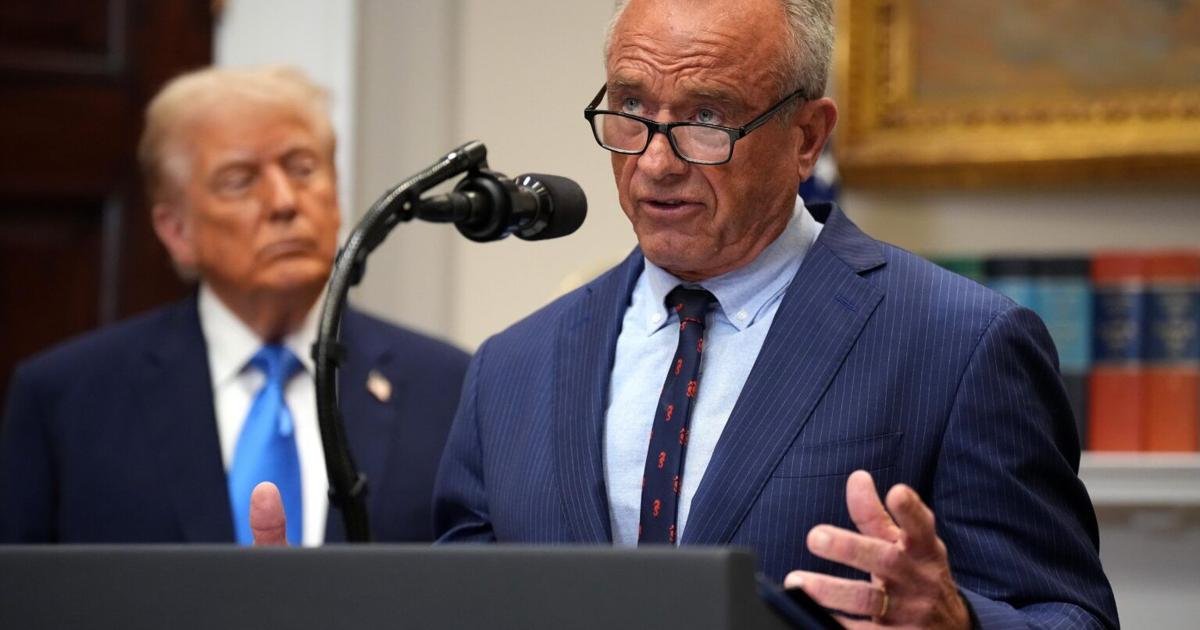
The timing of the CDC webpage update coincides with Robert F. Kennedy Jr.’s appointment as Secretary of U.S. Health by President-elect Donald Trump. Kennedy has a long history of promoting anti-vaccination views and has repeatedly claimed, despite scientific evidence to the contrary, that vaccines are linked to autism.
Brenda Smith Myles, a prominent autism researcher in Kansas, expressed her dismay at the situation. “When federal health authorities publish information that contradicts decades of scientific research, it creates unnecessary fear and confusion among parents. This could lead to decreased vaccination rates and potentially dangerous outbreaks of preventable diseases.”
The Journal of the American Medical Association has published multiple comprehensive studies examining vaccination records of hundreds of thousands of children, finding no evidence supporting a link between vaccines and autism. Similarly, a meta-analysis of studies involving millions of children worldwide reached the same conclusion.
Kathryn Unruh, an assistant researcher at K-CART, emphasized the potential impact on Kansas communities. “Kansas has made significant progress in autism awareness, early diagnosis, and support services over the past decade. Misinformation about autism causes could undermine these efforts and stigmatize individuals with autism by perpetuating debunked theories about its causes.”
The concern extends beyond the academic community. Advocacy organizations like Autism Speaks have consistently supported the scientific consensus that vaccines do not cause autism and have worked to redirect focus toward research into the actual genetic and environmental factors that contribute to autism spectrum disorders.
Public health officials warn that declining vaccination rates due to unfounded fears could lead to outbreaks of preventable diseases, as witnessed in recent years with measles. In 2019, the United States experienced its largest measles outbreak in decades, primarily in communities with low vaccination rates.
The New York Times reported last week that the CDC webpage changes were made shortly after the presidential election, raising questions about political influence over public health information. The agency has not provided official comment on the rationale behind the updates.
Medical professionals emphasize that vaccination decisions should be based on scientific evidence rather than misinformation. The CDC and other public health organizations have historically maintained that vaccines are among the most thoroughly tested and safest medical interventions available.
Kansas health departments continue to recommend following established vaccination schedules, noting that the benefits of preventing serious diseases far outweigh any risks associated with vaccines.
“The autism research community in Kansas and nationwide is united in its concern about this development,” Mosconi added. “Our priority must be providing accurate information to families affected by autism while ensuring public health measures like vaccinations remain trusted and effective.”
As this situation develops, Kansas researchers plan to continue monitoring the CDC’s communications and advocate for science-based public health information that serves the best interests of individuals with autism and the broader community.
Fact Checker
Verify the accuracy of this article using The Disinformation Commission analysis and real-time sources.

29 Comments
I like the balance sheet here—less leverage than peers.
Good point. Watching costs and grades closely.
Good point. Watching costs and grades closely.
If AISC keeps dropping, this becomes investable for me.
Good point. Watching costs and grades closely.
Interesting update on Kansas Autism Researchers Raise Concerns About Misinformation on Federal Website. Curious how the grades will trend next quarter.
Good point. Watching costs and grades closely.
Exploration results look promising, but permitting will be the key risk.
Uranium names keep pushing higher—supply still tight into 2026.
Interesting update on Kansas Autism Researchers Raise Concerns About Misinformation on Federal Website. Curious how the grades will trend next quarter.
Good point. Watching costs and grades closely.
Silver leverage is strong here; beta cuts both ways though.
Good point. Watching costs and grades closely.
Good point. Watching costs and grades closely.
Interesting update on Kansas Autism Researchers Raise Concerns About Misinformation on Federal Website. Curious how the grades will trend next quarter.
Good point. Watching costs and grades closely.
Good point. Watching costs and grades closely.
The cost guidance is better than expected. If they deliver, the stock could rerate.
Good point. Watching costs and grades closely.
The cost guidance is better than expected. If they deliver, the stock could rerate.
Good point. Watching costs and grades closely.
Good point. Watching costs and grades closely.
Production mix shifting toward News might help margins if metals stay firm.
Good point. Watching costs and grades closely.
Good point. Watching costs and grades closely.
The cost guidance is better than expected. If they deliver, the stock could rerate.
Good point. Watching costs and grades closely.
The cost guidance is better than expected. If they deliver, the stock could rerate.
Good point. Watching costs and grades closely.