


Listen to the article
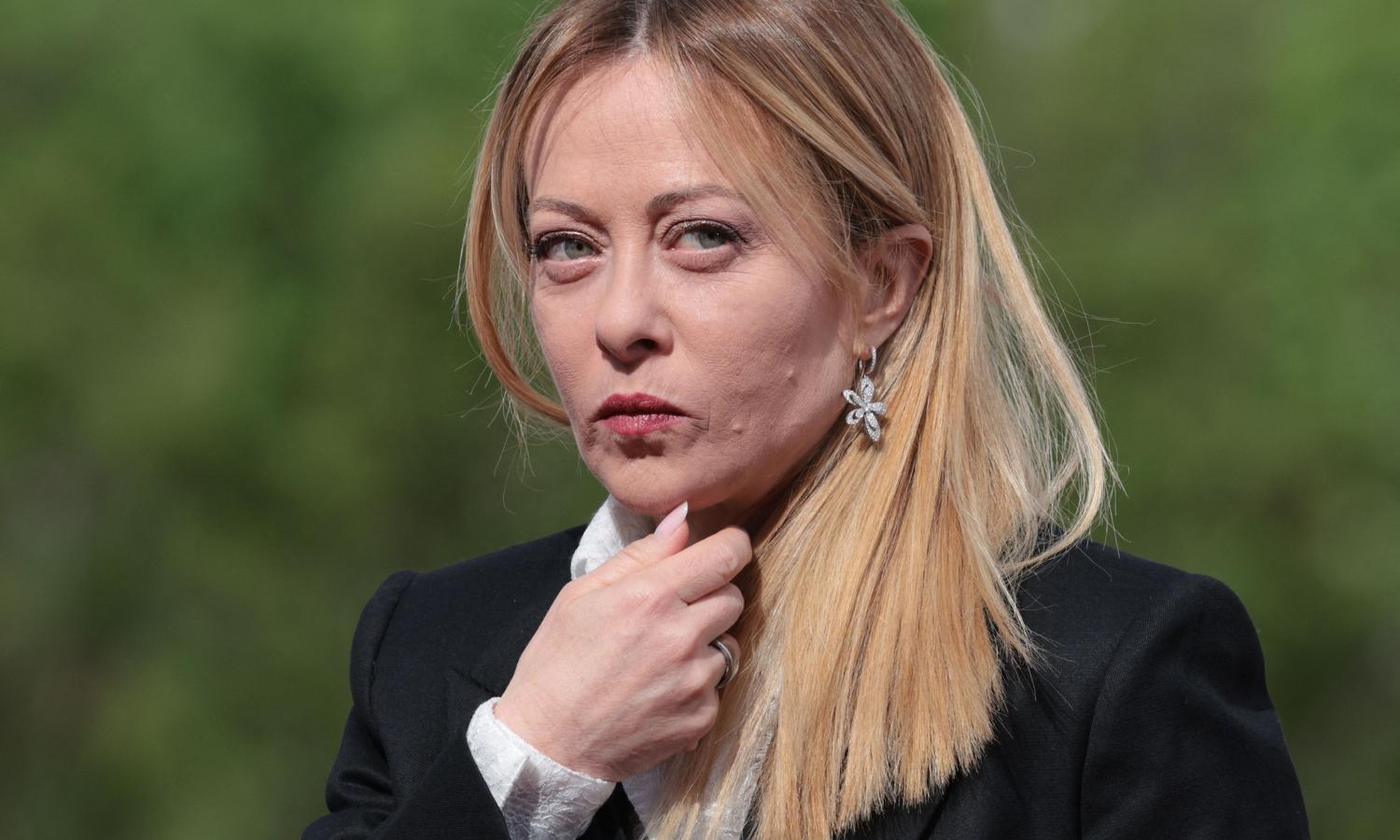
In a sharp rebuke against digital manipulation, Italian Premier Giorgia Meloni has publicly condemned the circulation of a deepfake image depicting her in lingerie. The digitally altered photograph, which Meloni herself shared on Facebook to expose the deception, has sparked fresh concerns about the misuse of artificial intelligence technology.
Meloni confronted the issue head-on by reposting the fake image alongside commentary from a social media user identified only as “Roberto,” who had shared the fabricated photo while suggesting the Premier should feel “ashamed.” In her response, Meloni issued a stern warning about the dangers of such technology.
“Deepfakes are a dangerous tool because they can deceive, manipulate and target anyone,” Meloni wrote. “I can defend myself. Many others cannot.” The Premier urged people to verify images before sharing them on social media platforms, highlighting the broader societal implications of this growing technological threat.
Despite the personal nature of the attack, Meloni maintained a level of composure, even jokingly acknowledging that the manipulation “actually made me look a lot better.” She quickly pivoted to the serious nature of the issue, adding: “But the fact remains that, in order to attack and fabricate lies, people will now use absolutely anything.”
The incident comes amid growing global concern about deepfake technology, which uses artificial intelligence to create convincing but entirely fabricated images, videos, or audio. These tools have become increasingly sophisticated and accessible, raising alarms among cybersecurity experts and lawmakers worldwide about their potential for harassment, misinformation, and political destabilization.
As Italy’s first female Prime Minister, Meloni has previously faced other forms of image manipulation. In February, her likeness appeared in an unexpected place when a cherub bearing a striking resemblance to her was spotted in a Roman church, causing a minor church-state controversy. At that time, Meloni responded with humor, writing on social media: “No, I definitely don’t look like an angel,” accompanied by a laughing emoji.
This latest incident, however, represents a more malicious form of digital forgery. It remains unclear whether Meloni intends to pursue legal action, though numerous commenters on her post have encouraged her to report the matter to law enforcement authorities.
The deepfake controversy involving the Italian leader highlights a growing challenge for public figures and ordinary citizens alike in the digital age. As AI technology continues to advance, distinguishing between authentic and manipulated content becomes increasingly difficult. For political leaders like Meloni, such deceptive content can be used to undermine credibility or spread disinformation.
Italy, like many European nations, is working to strengthen legislation around digital crimes and artificial intelligence misuse. The European Union has been at the forefront of regulatory efforts with its AI Act, which aims to establish clear guidelines for artificial intelligence applications while preventing harmful misuse.
The incident also underscores the particular challenges faced by women in positions of power, who often experience gendered forms of online harassment and digital manipulation. Research consistently shows that female political leaders are disproportionately targeted by sexualized deepfakes and other forms of online abuse compared to their male counterparts.
As technology continues to evolve, incidents like the one Meloni has experienced demonstrate the urgent need for robust technological solutions, improved digital literacy, and legal frameworks to combat the spread of malicious deepfakes in an increasingly complex information landscape.
Fact Checker
Verify the accuracy of this article using The Disinformation Commission analysis and real-time sources.

12 Comments
Interesting that the Italian PM is taking a strong stance against AI-driven deepfakes. It’s a concerning trend that needs to be addressed, as these manipulated images can have serious consequences.
I agree, deepfakes pose a real threat to truth and transparency. Good on Meloni for calling it out and trying to raise awareness.
Meloni’s response strikes the right balance between addressing the personal attack and highlighting the broader societal implications of deepfakes. A measured yet firm approach.
Indeed, her ability to maintain composure and pivot the conversation to the bigger picture is commendable. It’s a model for how to handle these kinds of situations.
While the deepfake targeting Meloni was clearly inappropriate, her response was measured and commendable. Acknowledging the joke but pivoting to the broader societal impact was a smart move.
Well said. Meloni’s handling of the situation sets a good example for how public figures should address these challenges – with composure and a focus on the bigger picture.
Deepfakes are a growing concern, and it’s good to see political leaders like Meloni taking a proactive stance. Raising awareness and urging caution around digital manipulation is crucial.
Agreed. The more high-profile figures that speak out against the misuse of this technology, the better. It’s an important issue that needs to stay in the public discourse.
The use of deepfakes for misinformation and political targeting is really worrying. Glad to see Meloni taking it seriously and trying to educate the public on the dangers.
Absolutely, verifying images before sharing them is crucial these days. Technology can be a double-edged sword, and we have to be vigilant about how it’s used.
The rise of deepfakes is a concerning trend that requires strong leadership and public awareness. Kudos to Meloni for taking a proactive stance on this important issue.
Absolutely. As digital manipulation capabilities advance, public figures and policymakers need to stay vigilant and educate the public about the risks.