


Listen to the article
In an era where information spreads rapidly across social media platforms and digital channels, health misinformation has become increasingly prevalent, posing significant challenges to public health efforts and individual decision-making. Experts from the National Foundation for Infectious Diseases warn that distinguishing fact from fiction has grown more complex, particularly around vaccines, infectious diseases, and emerging health threats.
Health misinformation—defined as false or inaccurate information shared without malicious intent—differs from disinformation, which involves deliberate attempts to deceive. Both can have serious consequences for public health, as evidenced during the COVID-19 pandemic when falsehoods about treatments, vaccines, and preventive measures proliferated across platforms.
“The spread of health misinformation has real-world consequences,” explains Dr. Sarah Collins, an infectious disease expert. “During COVID-19, we saw how false claims about unproven treatments like hydroxychloroquine or ivermectin led some people to delay seeking appropriate medical care or reject proven preventive measures.”
Social media platforms have accelerated the problem by creating environments where sensational claims often receive more engagement than nuanced scientific information. Algorithms designed to maximize user engagement frequently amplify controversial or emotionally charged content, regardless of accuracy.
Recent surveys indicate that nearly two-thirds of Americans have encountered health misinformation online, with roughly 40 percent reporting difficulty distinguishing credible health information from misleading content. This confusion has contributed to vaccine hesitancy and distrust in public health institutions.
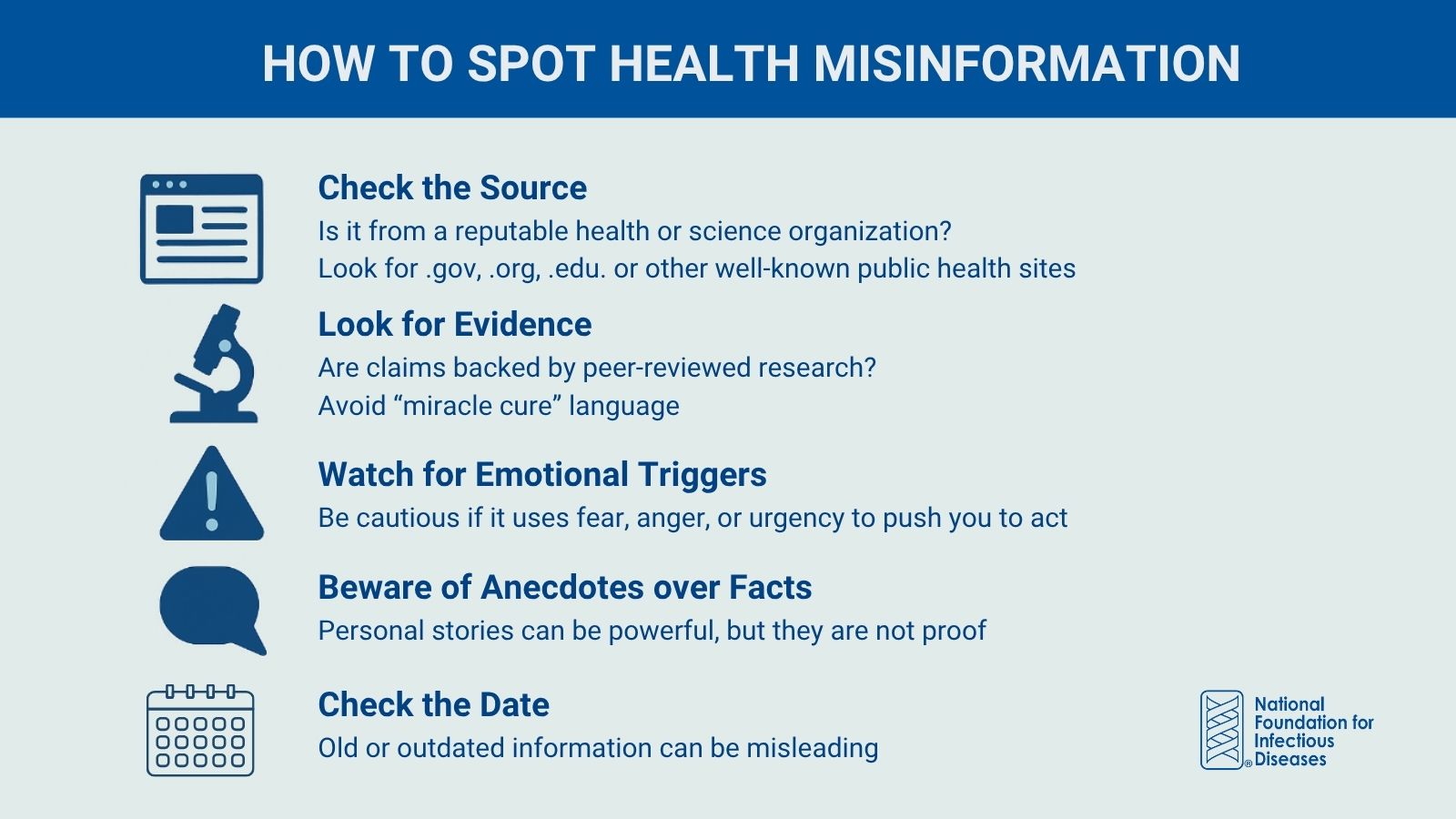
Health authorities recommend several strategies for identifying reliable information. First, consider the source—information from established medical organizations, academic institutions, or government health agencies typically undergoes rigorous review processes. The Centers for Disease Control and Prevention (CDC), World Health Organization (WHO), and peer-reviewed medical journals maintain strict standards for accuracy.
“Look for consensus rather than isolated opinions,” advises Dr. Michael Greenwood, a public health researcher. “When major health organizations globally agree on recommendations, that represents a strong scientific consensus built on extensive evidence.”
Fact-checking organizations like HealthNewsReview.org, Snopes, and Reuters Fact Check regularly assess health claims circulating online. These independent reviewers evaluate evidence and provide context that may be missing from viral social media posts or sensationalist headlines.
Experts also suggest examining whether claims make absolute promises or rely on anecdotal evidence rather than systematic research. Scientific conclusions typically acknowledge limitations and uncertainties, whereas misinformation often presents simplified, absolute claims promising dramatic benefits without downsides.
Healthcare professionals have become increasingly concerned about “medical influencers” on platforms like Instagram, TikTok, and YouTube who may present misleading information with authority. While some provide valuable education, others promote products or treatments without disclosing conflicts of interest or discussing potential risks.
“Always be skeptical of health information that seems to be selling something,” notes Dr. Jennifer Ramirez, a medical communication specialist. “Whether it’s supplements, alternative treatments, or simply generating clicks for advertising revenue, commercial motivations can compromise accuracy.”
The consequences of health misinformation extend beyond individual choices. Public health campaigns face increasing headwinds when trying to communicate evidence-based guidelines in an environment saturated with contradictory claims. Vaccination rates for preventable diseases have declined in some communities, leading to resurgences of illnesses like measles that had previously been well-controlled.
Health literacy—the ability to find, understand, and use health information to make appropriate health decisions—has emerged as a crucial skill in navigating the complex information landscape. Several medical organizations have developed resources to help consumers evaluate health claims critically.
Public health experts emphasize that addressing misinformation requires a multi-faceted approach involving improved digital literacy, greater transparency from social media platforms about their content algorithms, and continued efforts by health organizations to communicate complex information in accessible ways.
“The solution isn’t simply more information,” explains Dr. Collins. “It’s helping people develop the critical thinking skills needed to evaluate the quality of information they encounter, regardless of the source.”
Fact Checker
Verify the accuracy of this article using The Disinformation Commission analysis and real-time sources.

18 Comments
The National Foundation for Infectious Diseases’ work to combat health misinformation is so important. With the proliferation of false claims online, it’s crucial we have trusted authorities providing clear guidance on how to identify and address these issues. Maintaining public trust in science-based information is essential.
Agreed. Misinformation can undermine critical public health efforts and lead people to make dangerous decisions. The NFID’s efforts to cut through the noise and ensure the public has access to accurate, verified information are invaluable.
Identifying and addressing health misinformation is a critical challenge, especially given the speed at which information can spread online. I’m glad to see the National Foundation for Infectious Diseases providing clear guidelines to help the public and policymakers respond effectively.
Absolutely. Misinformation can have devastating real-world impacts, as we witnessed during the pandemic. Authoritative sources like the NFID play a vital role in cutting through the noise and ensuring people have access to reliable, evidence-based health information.
Dealing with health misinformation is a growing challenge, and I’m glad to see the National Foundation for Infectious Diseases providing clear guidelines on how to identify and address it. Promoting accurate, fact-based information is so important.
Agreed. The spread of false claims can undermine public health efforts and lead people to make dangerous decisions. Credible sources like the NFID play a vital role in cutting through the noise and keeping the public informed.
This is a really important issue. Health misinformation can have serious consequences, as we saw during the pandemic. I appreciate the National Foundation for Infectious Diseases taking a proactive approach to providing guidance on identifying and combating these false claims.
Yes, the NFID’s work is crucial. With information spreading so rapidly online, it’s essential we have trusted authorities helping the public navigate health-related misinformation and maintain access to accurate, science-based information.
It’s troubling to hear how health misinformation has impacted things like COVID-19 treatment and prevention. I’m glad the National Foundation for Infectious Diseases is providing clear guidance on spotting and addressing these issues.
Yes, the consequences of misinformation can be devastating. Reliable sources like the NFID play a vital role in cutting through the noise and ensuring the public has access to accurate, evidence-based health information.
Distinguishing fact from fiction around health is indeed crucial, especially with the rapid spread of information online. It’s important we rely on credible sources like the National Foundation for Infectious Diseases to get accurate, science-based guidance.
Agreed. Health misinformation can have serious real-world consequences, as we saw during the pandemic. Verifying information before sharing is key to protecting public health.
The guidelines from the National Foundation for Infectious Diseases are a valuable resource for identifying and combating health misinformation. Curbing the spread of false claims is critical for maintaining trust in public health authorities.
Absolutely. Misinformation and disinformation can undermine important health measures and lead people to make dangerous decisions. Promoting verified, science-based information is crucial.
Distinguishing fact from fiction is becoming increasingly challenging in the digital age. The National Foundation for Infectious Diseases’ guidelines offer an important framework for navigating health misinformation and maintaining public trust.
Agreed. With the speed at which information spreads online, it’s critical we have trusted authorities providing clear direction on identifying and addressing misinformation. This will be an ongoing battle, but an essential one.
The National Foundation for Infectious Diseases’ work to identify and combat health misinformation is crucial. Maintaining accurate, science-based information is vital for protecting public health, especially during times of crisis and uncertainty.
Absolutely. Misinformation can have devastating real-world consequences, as we saw with the spread of false claims around COVID-19 treatments. Reliable, evidence-based guidance from trusted sources is essential.