


Listen to the article
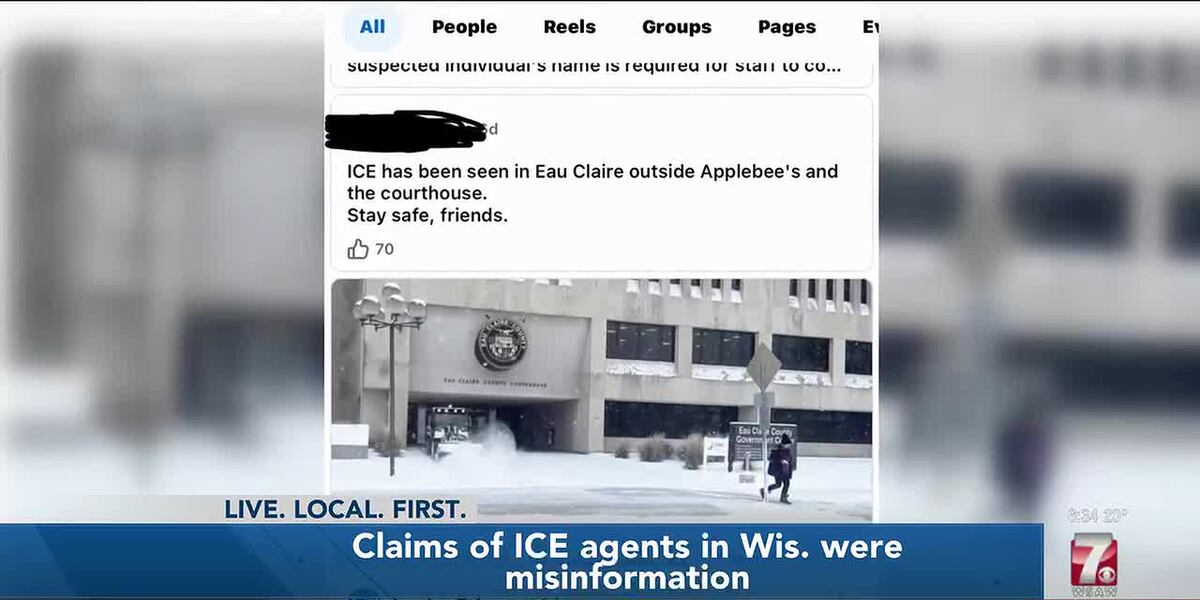
Immigration officials are dispelling fears in Wisconsin communities after reports of widespread immigration enforcement operations proved to be misinformation. The confusion, which spread rapidly through social media and word-of-mouth, created unnecessary panic among immigrant populations across several counties.
U.S. Immigration and Customs Enforcement (ICE) confirmed Thursday that no large-scale operations were conducted in central and northern Wisconsin, contrary to rumors that had been circulating for nearly a week. The agency characterized the reports as “false information” designed to create fear and confusion.
Community advocates report that the misinformation began spreading last weekend, with claims of ICE agents conducting raids at businesses, setting up checkpoints, and making arrests in public spaces in Marathon, Wood, and Portage counties. These rumors prompted some families to keep children home from school and avoid leaving their homes altogether.
“We’ve received dozens of calls from frightened community members who heard ICE was at local grocery stores, gas stations, and even conducting door-to-door operations,” said Maria Gonzalez, director of the Central Wisconsin Immigrant Support Coalition. “None of these reports were verified, but the fear they generated was very real.”
Local law enforcement agencies also found themselves responding to the situation. Marathon County Sheriff’s Department issued a statement clarifying they had not participated in or been notified of any federal immigration operations in the area. Similarly, police departments in Wausau, Stevens Point, and Wisconsin Rapids confirmed they had no knowledge of ICE activities in their jurisdictions.
This incident highlights the vulnerability of immigrant communities to misinformation and the rapid spread of unverified claims through social networks. According to immigration policy experts, similar false alarms have occurred in communities across the country, often causing significant disruption to daily life.
“What we’re seeing is how quickly misinformation can spread in tight-knit communities where trust in official sources may already be low,” explained Dr. Eleanor Hammond, a professor of immigration policy at the University of Wisconsin-Madison. “The emotional and economic impact can be substantial, with families missing work, children missing school, and businesses seeing reduced patronage.”
Wisconsin is home to an estimated 75,000 undocumented immigrants, according to data from the Migration Policy Institute. These individuals form a crucial part of the state’s workforce, particularly in dairy farming, food processing, and manufacturing sectors. The state’s dairy industry, which generates approximately $45.6 billion annually, relies heavily on immigrant labor.
Community organizations have been working to provide accurate information and resources. Wisconsin Migrant Coalition has established a hotline to verify reports and provide legal guidance. The organization also coordinates with local attorneys who can provide rapid response in the event of actual enforcement actions.
“Our primary concern is ensuring communities have access to accurate information,” said Roberto Sanchez, an attorney with the Wisconsin Immigration Legal Assistance Project. “We encourage people to verify information through trusted channels before sharing and to know their rights regardless of immigration status.”
ICE policies regarding enforcement actions have evolved over different administrations. Current guidelines prioritize individuals who pose national security threats, have serious criminal convictions, or recently crossed the border unlawfully.
Local officials emphasize that maintaining trust between law enforcement and immigrant communities is essential for public safety. Several municipalities in Wisconsin have policies limiting cooperation with federal immigration enforcement to avoid discouraging crime reporting by undocumented residents.
The Wisconsin Department of Justice has encouraged residents to rely on official sources of information and to report suspected misinformation to local authorities. They also note that verification of immigration enforcement activities can be obtained through legal aid organizations specializing in immigration law.
As communities recover from this wave of misinformation, advocacy groups are organizing know-your-rights workshops and developing better communication networks to combat future incidents of false information spread.
Fact Checker
Verify the accuracy of this article using The Disinformation Commission analysis and real-time sources.

7 Comments
This is concerning, but I’m glad the reports of ICE activity turned out to be false. Spreading misinformation can really stir up fear and panic in vulnerable communities. It’s important to verify facts before spreading rumors, especially when it comes to sensitive immigration issues.
It’s good that the authorities were able to quickly dispel these false reports of ICE activity. Spreading misinformation, even unintentionally, can have serious consequences for immigrant populations. Moving forward, the focus should be on building trust and open communication within these communities.
This is a good example of how quickly misinformation can spread, especially around sensitive issues like immigration enforcement. I’m glad the facts were clarified, but the initial panic and fear caused by these rumors is concerning. Improved fact-checking and media literacy could help prevent such situations.
You’re right, better education on identifying misinformation is crucial. Communities need to be able to rely on accurate, verified information, especially on topics that directly impact their lives and wellbeing.
This highlights the dangers of misinformation spreading rapidly through social media. I hope the community can recover from the unnecessary fear and stress caused by these false reports. Fact-checking is crucial, especially on sensitive topics that can have major impacts.
Absolutely, verifying information before sharing is so important. Vulnerable communities shouldn’t have to live in constant fear due to unsubstantiated rumors.
While I’m relieved the ICE reports were false, the rapid spread of this misinformation is troubling. Immigrant communities should not have to live in constant fear of unsubstantiated enforcement actions. Transparent communication and trust-building between authorities and the public are needed to prevent similar incidents.