


Listen to the article
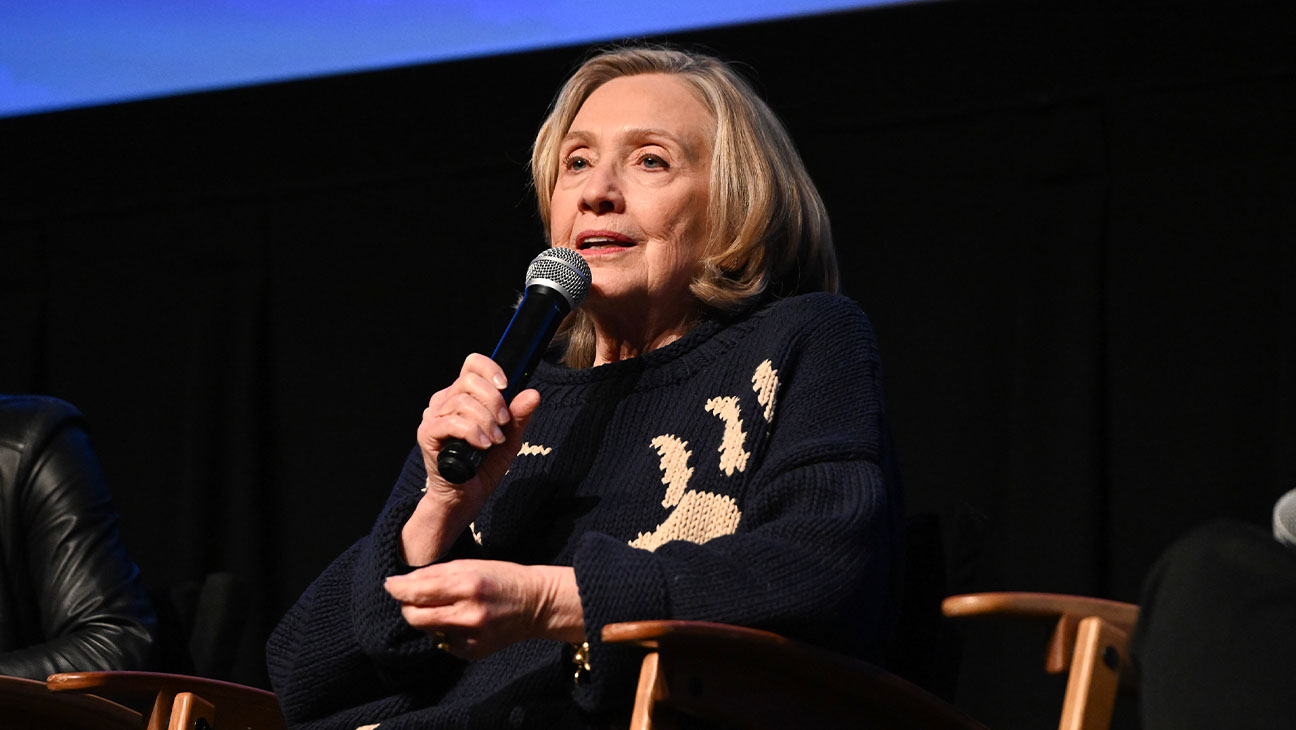
In a candid address at the Israel Hayom Summit in New York City on Tuesday, former Secretary of State Hillary Clinton voiced serious concerns about the role of social media in shaping young Americans’ understanding of complex geopolitical issues, particularly regarding the Israeli-Palestinian conflict.
Clinton highlighted what she described as a “serious problem” facing democratic societies: the growing reliance of young people on platforms like TikTok as primary news sources. “More than 50 percent of young people in America get their news from social media,” Clinton told attendees, urging them to consider the implications. “They are seeing short-form videos, some of them totally made up, some of them not at all representing what they claim to be showing, and that’s where they get their information.”
Drawing from her recent teaching experience at Columbia University, Clinton described encounters with students whose perspectives on the October 7, 2023, terrorist attack on Israel were heavily influenced by social media content. She expressed frustration at the difficulty of engaging these students in meaningful dialogue about the conflict.
“When you would try to talk to them to engage in some kind of reasonable discussion, it was very difficult because they did not know history,” Clinton explained. “They had very little context. And what they were being told on social media was not just one-sided, it was pure propaganda.”
The former presidential candidate emphasized that this information gap extends beyond expected demographics. “It is not just the usual suspects,” she noted. “It is a lot of young Jewish Americans who don’t know the history and don’t understand.”
Her concerns appear to be supported by data from the Pew Research Center, which indicates that approximately 53 percent of U.S. adults report getting news from social media at least occasionally in 2025. The numbers are particularly striking for TikTok, where 55 percent of users say they regularly consume news content on the platform.
The proliferation of unverified information on social media platforms has been a growing concern for political analysts and media experts alike. Short-form video content, which often lacks historical context or nuance, can present oversimplified narratives of complex geopolitical situations like the Israeli-Palestinian conflict. The algorithmic nature of these platforms also tends to create echo chambers, where users primarily encounter content that reinforces existing beliefs.
Clinton’s remarks come at a time when tensions in the Middle East continue to reverberate globally and influence domestic politics in the United States. The October 7, 2023, attack by Hamas on Israel and the subsequent military response have been particularly polarizing topics on college campuses and in political discourse.
Clinton is not alone in expressing concern about social media’s influence on public understanding of these events. In November 2023, television host Bill Maher similarly raised alarms about the spread of antisemitic rhetoric on TikTok following the October 7 attack.
Media literacy experts suggest that the condensed nature of social media content makes it particularly challenging for users to develop nuanced understanding of complex geopolitical issues. Without historical context or exposure to multiple perspectives, viewers may develop oversimplified or distorted views of conflicts with deep historical roots.
As social media platforms continue to evolve as news sources, Clinton’s concerns highlight broader questions about information literacy, the responsibilities of technology companies, and how democratic societies can foster informed civic discourse in the digital age.
For social media companies like TikTok, which has faced particular scrutiny in the United States over content moderation practices, these criticisms add to mounting pressure to address how their platforms may be shaping public understanding of global events.
Fact Checker
Verify the accuracy of this article using The Disinformation Commission analysis and real-time sources.

9 Comments
The reliance of young people on social media for news is a concerning trend that can lead to the spread of misinformation and skewed perspectives. Encouraging critical thinking and fact-checking skills should be a priority for educators and policymakers.
Clinton’s perspective as a seasoned policymaker and educator provides valuable insights into the challenges posed by the rise of social media as a primary news source for young people. Addressing this issue requires a multifaceted approach.
Clinton’s concerns about the spread of misinformation on TikTok reflect a broader challenge facing democratic societies. Developing effective strategies to combat online disinformation while preserving free speech is an important task for policymakers.
While social media platforms offer benefits, Clinton’s warning about the risks of misinformation is well-founded. Developing strategies to promote accurate, nuanced coverage of complex issues like the Israeli-Palestinian conflict should be a key priority.
It’s concerning to hear that young people are increasingly relying on social media as their main news source, especially for complex geopolitical issues. Misinformation and lack of context can lead to skewed perspectives. More media literacy education would be helpful.
As someone with a deep understanding of geopolitics, Clinton’s warning about the risks of social media shaping young people’s views on complex issues like the Israeli-Palestinian conflict deserves serious attention. Balancing digital access with media literacy is crucial.
Hillary Clinton raises a valid point about the dangers of short-form social media content shaping young people’s understanding of complex topics like the Israeli-Palestinian conflict. Fact-checking and critical thinking skills are crucial in the digital age.
I agree. Social media algorithms can amplify misinformation and sensationalism, which is especially problematic for young, impressionable audiences. More emphasis on media literacy education is needed.
Clinton’s comments highlight the need for more robust media literacy education, especially for younger generations. Helping people navigate the digital information landscape and identify reliable sources is essential in the modern era.