


Listen to the article
State Health Officials Challenge CDC’s Revised Autism-Vaccine Language
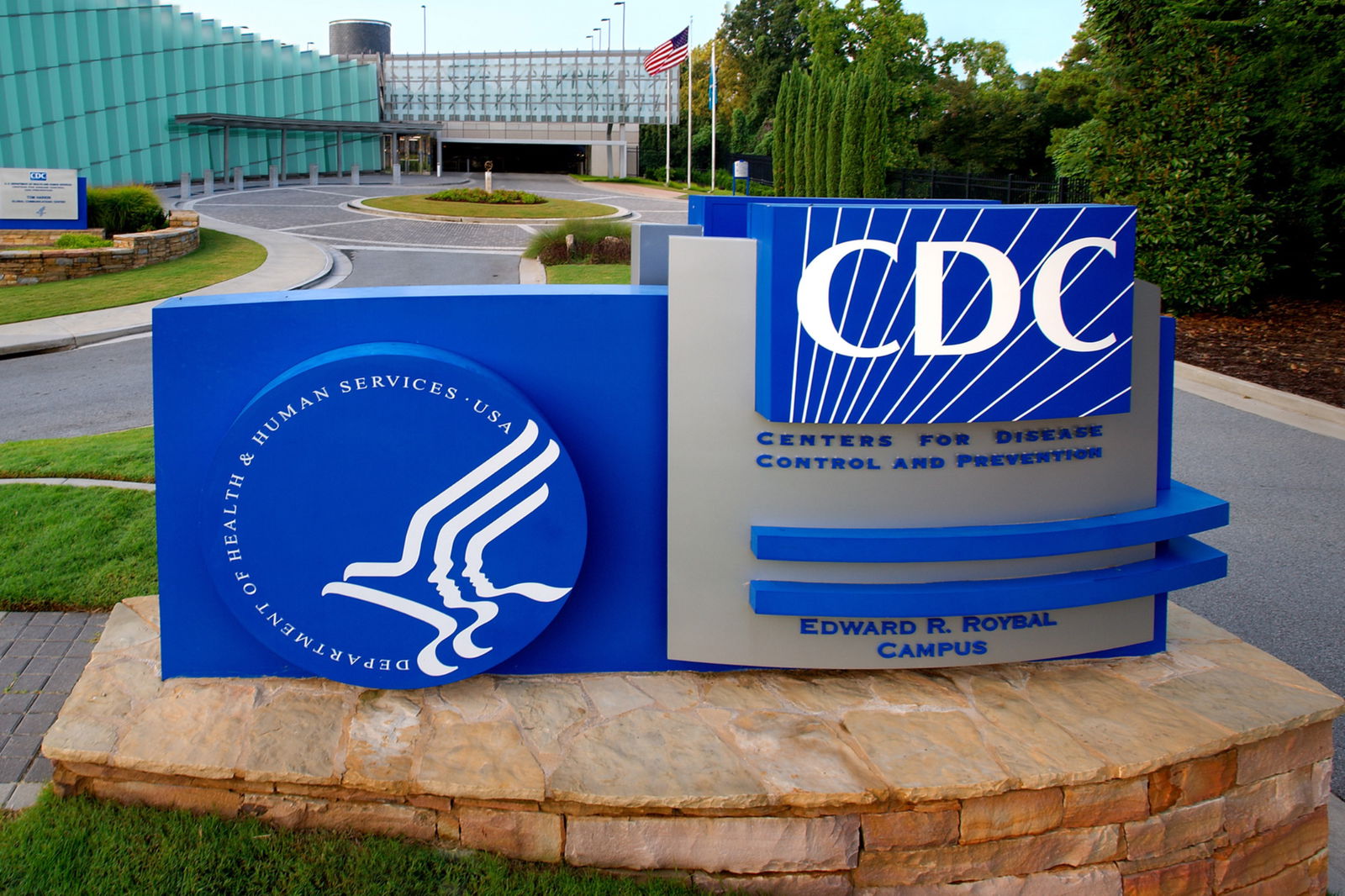
Health officials and public health experts across multiple states are voicing strong criticism of recent changes to the Centers for Disease Control and Prevention’s website regarding the relationship between vaccines and autism spectrum disorder (ASD).
The controversy erupted after the CDC altered its longstanding position on November 19. The agency’s website now states that “studies have not ruled out the possibility that infant vaccines cause autism” – a significant departure from its previous definitive statement that “Studies have shown that there is no link between receiving vaccines and developing autism spectrum disorder (ASD).”
This reversal has prompted immediate pushback from health authorities in Illinois, New York, and Hawaii, with KFF Health News reporting that the list of states rejecting the CDC’s new position continues to grow. The change has created a rift between the federal agency and state health departments that typically align with CDC guidance.
Senator Bill Cassidy (R-La.), a medical doctor by training, expressed his concerns on social media platform X: “What parents need to hear right now is vaccines for measles, polio, hepatitis B, and other childhood diseases are safe and effective and will not cause autism.” He added that “Any statement to the contrary is wrong, irresponsible, and actively makes Americans sicker.”
The scientific consensus established through numerous large-scale studies has consistently found no causal connection between vaccines and autism. This position has been supported by major medical organizations worldwide for decades, making the CDC’s language change particularly alarming to public health experts.
Leaders at the prestigious Center for Infectious Disease Research and Policy (CIDRAP) at the University of Minnesota have gone so far as to question the CDC’s trustworthiness following this revision. CIDRAP officials characterized the day of the CDC’s reversal as “tragic” for public health in America.
The American Academy of Pediatrics responded forcefully through Dr. Sean O’Leary, head of the organization’s infectious diseases committee, who stated during a Thursday media briefing: “This is madness. One thing that is very clear is that vaccines are not one of those things. They do not cause autism. Period.”
Alison Singer, President of the Autism Science Foundation, also released a pointed statement: “The facts don’t change because the administration does. At this point, it’s not about doing more studies. It’s about being willing to accept what the existing study data clearly show. You can’t just ignore data because it doesn’t confirm your beliefs, but that’s what the administration is doing.”
Public health experts worry that this messaging shift could have severe consequences, potentially reducing vaccination rates at a time when preventable childhood diseases like measles have been making concerning comebacks in parts of the United States. Lower vaccination rates create vulnerability within communities, particularly for those who cannot be vaccinated due to age or medical conditions.
The timing of this policy change has raised questions about political influence over public health communications, as it comes during a transitional period in federal leadership. Critics suggest the revision appears to cater to anti-vaccine sentiments rather than reflecting the established scientific consensus.
This controversy represents an unusual break between the CDC and state health departments, which typically maintain close alignment on public health messaging and policy. The growing list of states publicly contradicting the CDC’s new language indicates the depth of concern among public health professionals about potential impacts on vaccination rates and public trust in evidence-based medicine.
As the situation continues to develop, medical organizations across the country are mobilizing to reassure parents about vaccine safety and maintain confidence in childhood immunization programs that have successfully reduced the burden of many once-common and deadly diseases.
Fact Checker
Verify the accuracy of this article using The Disinformation Commission analysis and real-time sources.

7 Comments
Kudos to the state health officials pushing back against the CDC’s revised stance. Vaccine safety is too important to be subject to shifting political winds or unsubstantiated claims. I hope the CDC re-examines their position based on the best available scientific evidence.
This feels like a step backwards. Vaccines have been one of the most effective public health interventions in history, saving millions of lives. The CDC should be reinforcing the overwhelming scientific consensus, not sowing doubt without strong justification.
I share your concern. Undermining faith in vaccines, especially for children, could have serious consequences for community immunity and public health. The CDC needs to tread carefully and transparently on this issue.
As a parent, I find this troubling. The CDC’s previous assurances about vaccine safety were reassuring. Introducing new uncertainty, without a clear scientific basis, could make it harder for families to make informed decisions about their children’s health.
This is a concerning development. The CDC should be a trusted, authoritative source on vaccine safety and public health. Overturning longstanding scientific consensus without clear evidence could undermine public confidence and lead to harmful misinformation spreading.
I’m curious to see the rationale behind the CDC’s decision to revise their stance on the vaccine-autism link. This is a complex and sensitive issue, and any changes should be based on rigorous, peer-reviewed research, not anecdotal claims or political pressure.
Agreed. It’s critical that the CDC’s guidance on vaccines remains grounded in robust scientific evidence, not speculation or ideological agendas. Public health should not be subject to shifting political winds.