


Listen to the article
In a recent surge of political rhetoric, Historically Black Colleges and Universities (HBCUs) have once again found themselves at the center of mischaracterizations, with former President Donald Trump’s claim that these institutions would collapse without Chinese student enrollment being the latest example.
This assertion, easily debunked by enrollment data showing international students comprise only a small fraction of HBCU student populations, is part of a broader pattern of misinformation that undermines these institutions’ true identity and significance in American higher education.
Far from the “fragile charity cases” they are often portrayed as, HBCUs stand as formidable engines of economic growth and academic excellence with deep roots in American history. These institutions were established during segregation when Black Americans were denied access to higher education, but they have evolved into diverse educational communities that welcome students of all backgrounds while maintaining their core mission.
The economic impact of HBCUs is substantial and quantifiable. According to the United Negro College Fund, these institutions generate $16.5 billion annually in economic impact and support more than 136,000 jobs nationwide. This job creation would place them among Fortune 500 companies if they were a single entity – a fact rarely highlighted in mainstream discussions about their value.
Perhaps even more impressive is their role in facilitating social mobility. The Council of Economic Advisers reports that approximately 30% of HBCU students rise at least two income quintiles by age 30, nearly double the rate of students at non-HBCUs. This statistic alone challenges the narrative of dependency that often surrounds these institutions.
The leadership legacy of HBCUs is equally remarkable. From Supreme Court Justice Thurgood Marshall to civil rights leader Dr. Martin Luther King Jr. and Vice President Kamala Harris, HBCU graduates have shaped American history and continue to influence its future. These alumni don’t simply participate in American society – they lead it across government, science, business, and academic sectors.
Corporate America has increasingly recognized this leadership pipeline, forming strategic partnerships with HBCUs to build diverse workforces capable of competing globally. Major companies like Apple, Google, and IBM have established substantial recruitment programs and funding initiatives specifically targeting HBCU talent.
The misinformation surrounding HBCUs isn’t limited to external critics. Even within some segments of the Black community, misconceptions persist. The notion that HBCUs provide inferior education or inadequate preparation for professional environments contradicts overwhelming evidence of their graduates’ success.
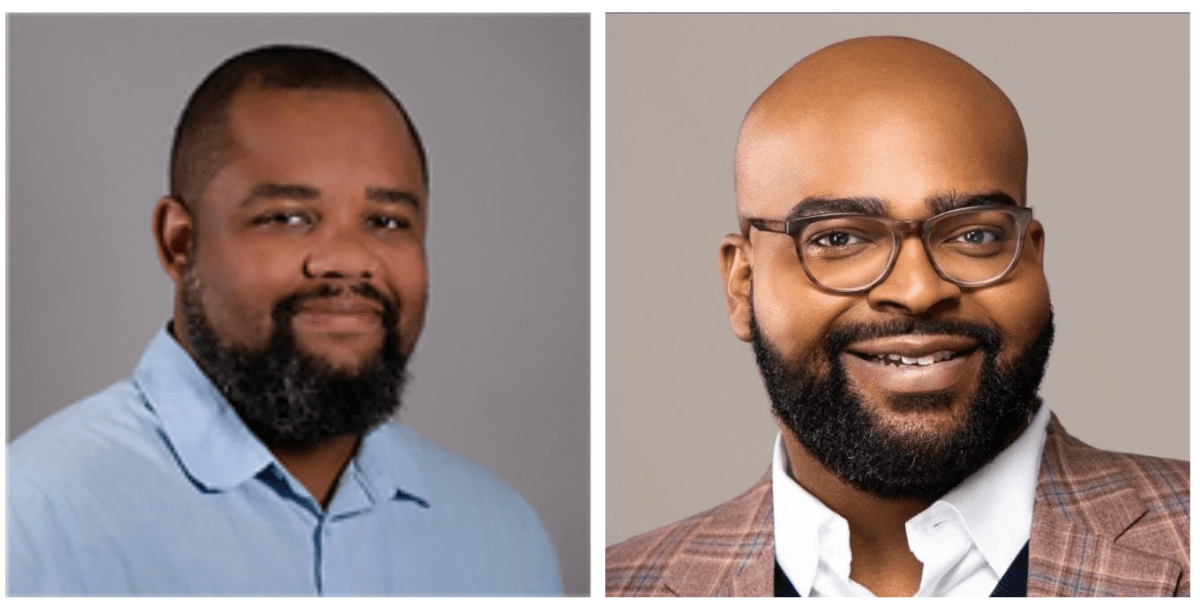
“HBCUs don’t exist for Black students who weren’t ‘good enough’ for predominantly white schools,” note Kevin Harris and Richard McDaniel, Democratic strategists and HBCU alumni. “They exist because they are powerful, enduring, and transformational.”
The data supports this assertion. HBCU graduates consistently report higher levels of well-being and workplace engagement than their counterparts from predominantly white institutions, according to Gallup research. Many HBCU alumni cite the supportive learning environment, mentorship opportunities, and cultural affirmation as critical factors in their subsequent professional success.
In fields where Black Americans remain underrepresented, HBCUs make outsized contributions. Despite representing only about 3% of American colleges and universities, HBCUs produce 27% of all Black STEM graduates and 50% of Black teachers nationally.
The financial challenges some HBCUs face stem not from institutional weakness but from historic underfunding. State and federal support for these institutions has consistently lagged behind that provided to predominantly white peer institutions, creating resource disparities that many HBCUs have overcome through innovative approaches and community partnerships.
As America continues grappling with questions of equity and representation in higher education, accurate portrayal of HBCUs becomes increasingly important. These institutions represent not just educational access but educational excellence – a legacy of achievement that benefits the entire nation despite persistent attempts to diminish their significance.
Fact Checker
Verify the accuracy of this article using The Disinformation Commission analysis and real-time sources.

32 Comments
If AISC keeps dropping, this becomes investable for me.
Good point. Watching costs and grades closely.
Good point. Watching costs and grades closely.
Interesting update on HBCUs Combat Misinformation About Their Role as Top Talent Producers. Curious how the grades will trend next quarter.
Good point. Watching costs and grades closely.
Uranium names keep pushing higher—supply still tight into 2026.
Good point. Watching costs and grades closely.
Nice to see insider buying—usually a good signal in this space.
Good point. Watching costs and grades closely.
Good point. Watching costs and grades closely.
I like the balance sheet here—less leverage than peers.
Good point. Watching costs and grades closely.
Good point. Watching costs and grades closely.
Nice to see insider buying—usually a good signal in this space.
Uranium names keep pushing higher—supply still tight into 2026.
The cost guidance is better than expected. If they deliver, the stock could rerate.
Good point. Watching costs and grades closely.
If AISC keeps dropping, this becomes investable for me.
Good point. Watching costs and grades closely.
Good point. Watching costs and grades closely.
Uranium names keep pushing higher—supply still tight into 2026.
Good point. Watching costs and grades closely.
Interesting update on HBCUs Combat Misinformation About Their Role as Top Talent Producers. Curious how the grades will trend next quarter.
If AISC keeps dropping, this becomes investable for me.
Good point. Watching costs and grades closely.
If AISC keeps dropping, this becomes investable for me.
Good point. Watching costs and grades closely.
If AISC keeps dropping, this becomes investable for me.
Good point. Watching costs and grades closely.
Good point. Watching costs and grades closely.
Production mix shifting toward News might help margins if metals stay firm.
Good point. Watching costs and grades closely.