


Listen to the article
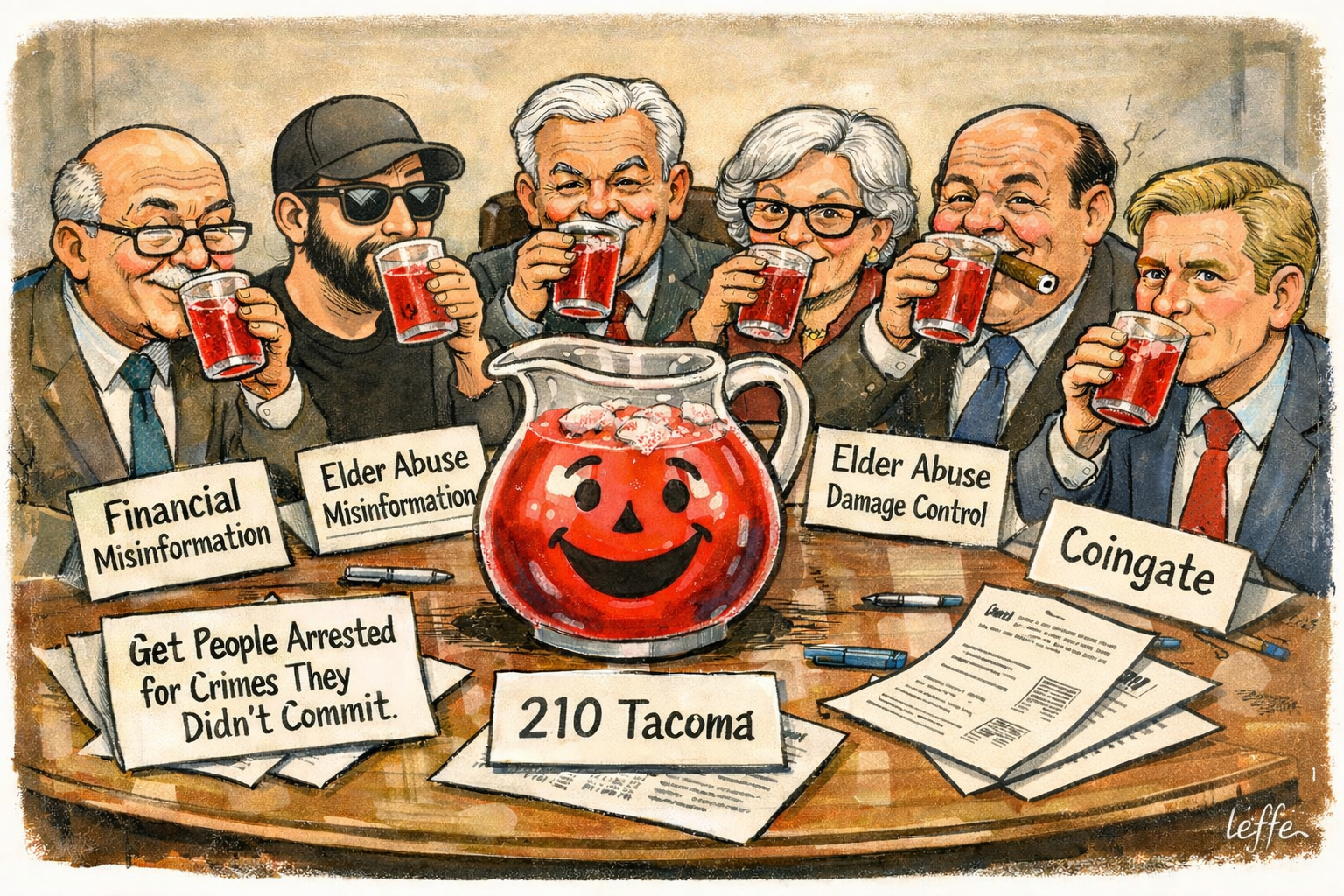
In Josephine County, the rising tide of misinformation threatens the foundations of local governance and community trust, according to multiple sources familiar with the region’s civic landscape. What begins as political rhetoric has evolved into a persistent pattern that distorts public understanding and undermines the effectiveness of county government.
For several years, residents have been consistently told that the county faces imminent financial collapse, with claims of vanishing reserves and unsustainable budgets circulating widely in community discussions. These dire predictions have become conventional wisdom for many locals despite contradicting the county’s actual financial documents.
Financial records indicate that Josephine County is experiencing one of its strongest fiscal positions in over a decade. The general fund remains stable, with healthy reserve balances and projected surpluses that directly contradict the narrative of economic freefall that has dominated public discourse.
“This isn’t just about different interpretations of the same facts,” explained a county budget analyst who requested anonymity to speak candidly. “We’re seeing fundamental misstatements of basic financial figures that create confusion and prevent productive discussion of actual policy choices.”
The misinformation problem extends beyond budget matters. Recent recall efforts against county officials have been characterized as partisan attacks driven by ideological opponents, despite evidence showing many organizers identified as conservatives and long-time Republicans motivated by governance concerns rather than party politics.
This mischaracterization appears designed to discredit legitimate civic engagement by reducing it to political theater, observers note. The result is a chilling effect on community participation in local government processes.
Perhaps most troubling is the situation surrounding public safety funding. Voters approved a law enforcement district expected to expand sheriff staffing and services, generating millions in additional annual revenue. However, the promised increase in personnel has not materialized as expected.
Investigation reveals the shortfall stems not from insufficient funding or failures within the sheriff’s office, but from county commission decisions about how general fund dollars were reallocated after voter approval. With these decisions poorly communicated to the public, residents have directed frustration at law enforcement rather than at the commissioners responsible for resource allocation.
“When voters can’t trust that their ballot decisions will be implemented as promised, it undermines the entire democratic process,” said a former county administrator familiar with the situation. “Future ballot measures become harder to pass because people question whether approval translates into actual outcomes.”
What distinguishes this pattern of misinformation is the apparent coordination among certain officials who consistently defend each other even when factual inaccuracies are exposed. Rather than correcting errors or revising narratives when confronted with contradictory evidence, the same misleading talking points continue circulating across multiple platforms.
This closed information loop has prompted growing concerns about decision-making occurring outside public view, protected by political alignments and mutual loyalty among key figures in county leadership.
Transparency advocates emphasize that open and honest governance isn’t optional in local government—it’s the foundation of public consent. When officials dismiss documented facts or attack those who challenge inaccuracies, they weaken public trust and divide the community along lines of competing realities rather than legitimate policy differences.
Josephine County faces the same challenges as many Oregon counties: rising costs, increasing service demands, and complex long-term planning issues. What sets it apart is the persistent cloud of misinformation that obstructs public understanding and delays constructive solutions.
“The credibility of local leadership erodes gradually,” noted a longtime county resident and former elected official. “Each unchallenged falsehood, each deflection instead of transparency chips away at public trust. Rebuilding that trust will require a commitment to factual accuracy over convenient narratives.”
Without that commitment, observers warn, the community itself will continue bearing the cost of this information deficit—in delayed progress, wasted resources, and the slow deterioration of civic engagement that healthy local democracy requires.
Fact Checker
Verify the accuracy of this article using The Disinformation Commission analysis and real-time sources.

10 Comments
This is a concerning trend of misinformation undermining local governance. Accurate financial data and transparency are essential for communities to make informed decisions.
You’re right, distorting facts to serve political agendas is extremely damaging. Residents deserve access to reliable, unbiased information from their local leaders.
The impact of misinformation on local governance is concerning. Residents deserve leaders who are accountable, transparent, and committed to making decisions based on factual, verifiable data.
Well said. When misinformation erodes public trust, it undermines the entire democratic process at the community level. Restoring integrity should be a top priority.
This is a troubling example of how the spread of misinformation can distort public understanding and undermine effective local government. Fact-based policymaking is essential for serving community needs.
I agree. Relying on inaccurate claims rather than objective data sets a dangerous precedent. Local leaders must be held accountable for providing residents with reliable information.
It’s troubling to see how misinformation can spread and become accepted as truth, even when contradicted by official records. Fact-checking and accountability are vital for effective local government.
Agreed. Public trust is eroded when leaders make unfounded claims that clash with the actual financial data. Rebuilding that trust requires a commitment to transparency.
This situation highlights the need for robust civic education and media literacy programs. Equipping residents to critically evaluate information sources could help combat the spread of misinformation.
Absolutely. Empowering citizens to distinguish fact from fiction is key to maintaining a healthy local democracy. Proactive steps by officials and community groups could make a big difference.