


Listen to the article
French Navy Condemns Pakistani Media for Spreading Misinformation About Operation Sindoor
The French Navy has issued a strong rebuke against a Pakistan-based media outlet for publishing what it calls “extensive misinformation and disinformation” regarding India’s military action against Pakistan-backed terrorists during Operation Sindoor.
According to the news agency ANI, Pakistan’s Geo TV published an article on November 21 claiming that a French naval commander had confirmed “Pakistan’s air superiority” and that Indian jets were shot down during border clashes in May. The skirmishes followed the Pahalgam terror strike that claimed 26 lives.
In a statement posted on social media platform X, the French Navy categorically denied these claims, stating that the article not only misquoted French officers but even published an incorrect name, referring to the officer as “Jacques Launay” instead of Captain Yvan Launay.
“These statements were attributed to Captain Launay, who never gave his consent for any form of publication. The article contains extensive misinformation and disinformation,” the French Navy stated.
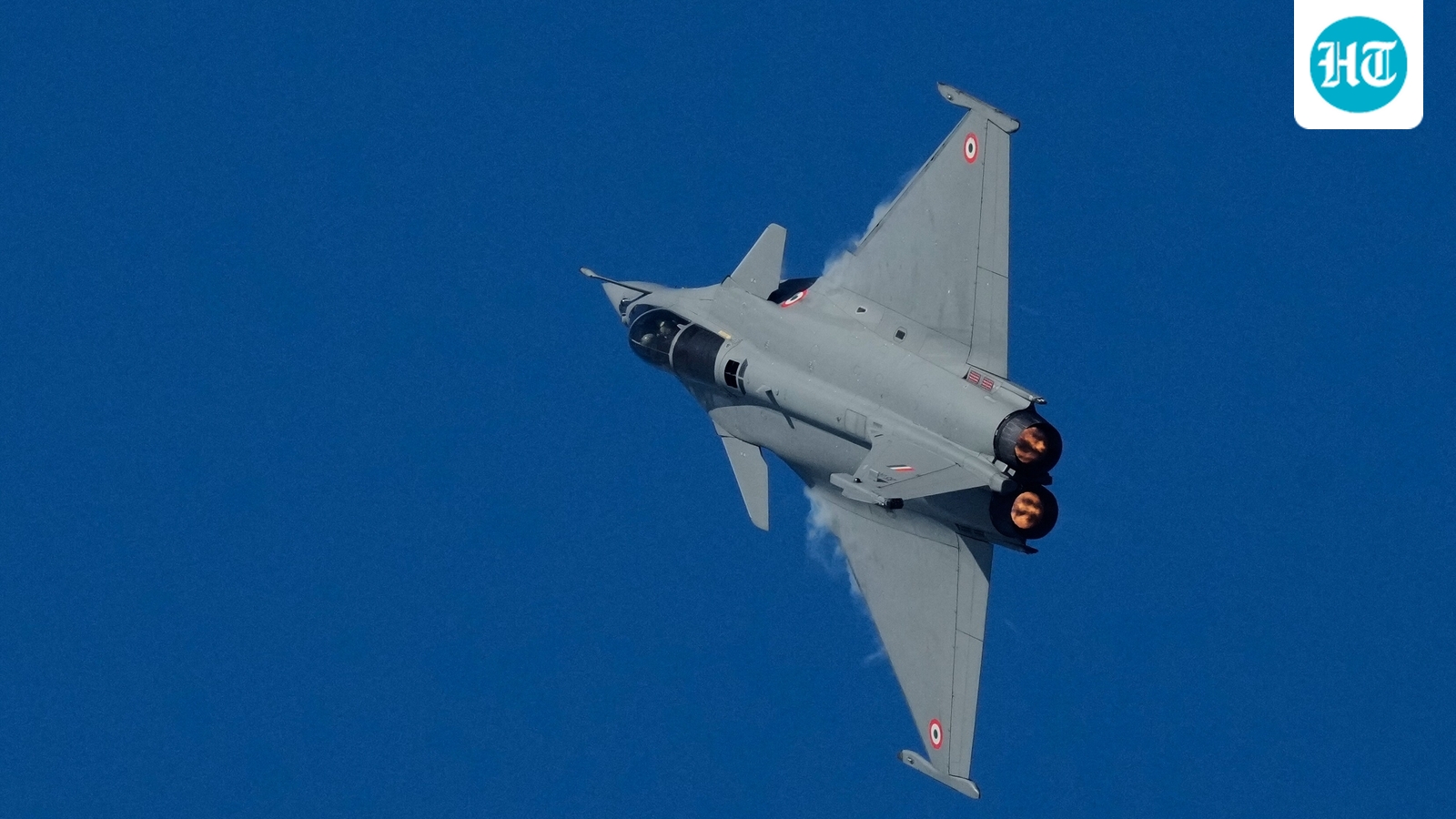
The Navy clarified that Captain Launay’s responsibilities are limited to commanding the naval air station at Landivisiau, where Rafale Marine aircraft are based. This contradicts the Pakistani media’s portrayal of him as a senior operational authority with direct involvement in the India-Pakistan conflict.
“When asked the question about Operation SINDOOR, he neither confirmed nor denied that Indian aircraft had been shot down. He refused to comment on possible jamming of the Indian Rafale by Chinese systems,” the French Navy explained, adding that Launay never referenced the Chinese J-10 fighter jet as claimed in the Pakistani report.
BJP leader Amit Malviya seized on the French Navy’s statement, describing it as evidence of Pakistan’s “desperate misinformation machinery.”
“The French Navy has called out Pakistan’s Geo TV and its correspondent Hamid Mir for spreading ‘misinformation and disinformation,'” Malviya wrote on X. “In his report, Hamid Mir peddled the same old, fabricated claims about Rafales and the so-called May conflict and has now been publicly exposed.”
Operation Sindoor, launched by India in May, represented a direct military response to the April 22 Pahalgam terror attack. The operation began in the early hours of May 7 and targeted terror and military installations in Pakistan and Pakistan-occupied Kashmir (PoK) before a ceasefire was declared on May 10.
The four-day military engagement involved fighter jets, missiles, armed drones, and intense artillery exchanges. During this period, Indian forces reportedly bombed nine terror camps in Pakistan and PoK, killing approximately 100 terrorists. The Indian Air Force (IAF) also conducted strikes on 13 Pakistani airbases and military installations.
In October, Air Chief Marshal AP Singh provided additional details about the operation’s impact, claiming that Pakistan lost between 12 and 13 aircraft, including American-made F-16s and Chinese-origin JF-17s. These losses reportedly occurred both on the ground and in aerial combat during Operation Sindoor.
Speaking at his annual press conference on October 3, Air Chief Marshal Singh dismissed Pakistan’s claims of downing Indian jets as “fanciful tales” intended primarily for domestic consumption within Pakistan.
The French Navy’s strong rebuttal highlights the ongoing information warfare that continues months after the military confrontation between the two nuclear-armed neighbors. The incident underscores the complex diplomatic relationships in the region, with India’s defense partnership with France—including the purchase of Rafale fighter jets—remaining a sensitive topic in regional geopolitics.
Fact Checker
Verify the accuracy of this article using The Disinformation Commission analysis and real-time sources.

10 Comments
This highlights the need for greater transparency and accountability in media reporting, particularly when it comes to military matters between nations. Fact-checking is essential to prevent the spread of misinformation.
I agree. The French Navy’s swift response helps set the record straight and maintain trust in their operations. Media outlets have a duty to verify claims before publication.
The French Navy’s rejection of the Pakistani media’s claims is a clear example of the importance of fact-checking and verifying information before publication. Spreading misinformation can have serious consequences.
I agree. The French Navy’s swift and direct response helps to maintain trust in their operations and the credibility of the information they provide. This is a good reminder of the need for responsible journalism.
Interesting to see the French Navy pushing back on the misinformation from the Pakistani media. It’s important to have accurate and fact-based reporting, especially when it comes to military operations.
Absolutely, the French Navy is right to condemn the spreading of false claims. Responsible journalism is crucial, especially on sensitive defense and security issues.
It’s good to see the French Navy taking a firm stance against the false claims made by the Pakistani media. Maintaining accurate and reliable information is crucial, especially in sensitive geopolitical situations.
Well said. The French Navy’s actions demonstrate their commitment to upholding the truth and not allowing misinformation to go unchallenged. This is the responsible approach to reporting on military matters.
This incident underscores the ongoing challenge of combating the spread of misinformation, especially in the context of military and geopolitical affairs. The French Navy’s actions are commendable in setting the record straight.
Absolutely. The French Navy’s response demonstrates their commitment to transparency and accountability. This is a positive step in addressing the proliferation of false claims in the media.