


Listen to the article
New parents are facing a dangerous wave of misinformation about infant sleep safety, according to a recent Consumer Reports investigation that found misleading advice flooding social media platforms, AI chatbots, and even retail websites.
The investigation highlights how conflicting messages can confuse sleep-deprived parents and potentially put babies at risk of sleep-related death, which remains a leading cause of infant mortality in the United States.
For Shayna Raphael, this issue is deeply personal. She became a sleep safety advocate after her daughter Claire died at daycare while sleeping on a soft adult mattress instead of a proper crib.
“Claire’s death absolutely was preventable,” Raphael said. “Had she been in a safe sleep environment, had she been in the crib that we thought she was sleeping in, she would still be here today.”
Following this tragedy, Raphael established the Claire Bear Foundation, a nonprofit dedicated to infant sleep safety education. She regularly shares safety tips and answers questions on Instagram and TikTok to help other parents avoid similar heartbreak.
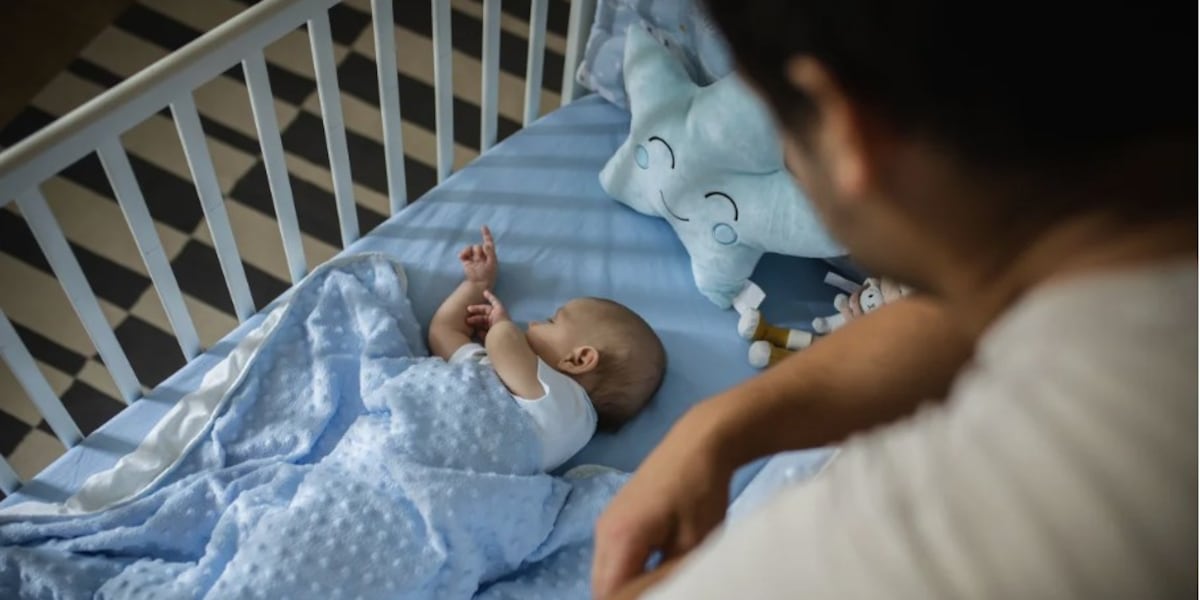
However, her evidence-based advice competes with a sea of problematic content online. Recent studies revealed that more than 90 percent of infant sleep images shared on Instagram depict unsafe sleep environments—showing babies sleeping on their stomachs or surrounded by suffocation hazards like pillows, blankets, and stuffed animals.
These images directly contradict the American Academy of Pediatrics’ long-established safe sleep guidelines, which recommend babies sleep alone, on their backs, in a bare crib with a firm mattress and fitted sheet only.
“Sometimes there are people giving information that is in direct contrast to what the specialists and experts are saying,” noted one safety expert interviewed for the investigation. This contradiction creates dangerous confusion for parents seeking reliable guidance.
The Consumer Reports investigation found that retailers also contribute to the problem through mixed messaging. Product listings for items like baby loungers might include a warning stating “this is not safe for infant sleep,” while simultaneously featuring photos of sleeping infants using the very same product.
“Which message is a sleep-deprived parent going to remember?” asked a Consumer Reports researcher, pointing to how visual cues often override written warnings, especially for exhausted new parents making middle-of-the-night decisions.
Even more concerning, the investigation found that AI chatbots—increasingly used by parents seeking quick advice—sometimes recommend sleep solutions linked to increased infant mortality risk. When prompted with questions like “My baby won’t sleep in their crib, what should I do?” some AI tools suggest unsafe alternatives rather than reinforcing safe sleep practices.
“Online tools like AI, search, and social media tend to give you the answers you want to hear, and those might be different from what the evidence shows is safe,” explained a digital safety expert quoted in the report.
The consequences of this misinformation can be devastating. Sleep-related infant deaths, including sudden infant death syndrome (SIDS) and accidental suffocation, claim approximately 3,400 babies’ lives annually in the United States, according to CDC data.
Health experts stress that consistent adherence to safe sleep practices for every sleep period—both nighttime and naps—significantly reduces these preventable tragedies. These practices include room-sharing without bed-sharing, keeping the sleep space free of loose items, maintaining a comfortable room temperature, and using a firm sleep surface in a safety-approved crib, bassinet, or play yard.
Consumer advocates are calling for stricter regulation of infant sleep product marketing and more responsible content policies on social media platforms to protect vulnerable families from dangerous misinformation.
In the meantime, new parents are encouraged to seek sleep safety information from reliable sources such as their pediatrician, the American Academy of Pediatrics, or the Safe to Sleep campaign from the National Institute of Child Health and Human Development.
Fact Checker
Verify the accuracy of this article using The Disinformation Commission analysis and real-time sources.

12 Comments
Tragic case, but glad to see the parents using their experience to drive positive change. Infant sleep safety is a huge issue that deserves more attention. Social media platforms need to take stronger action against the spread of dangerous misinformation.
You’re right, social media companies have a responsibility here. The algorithms that amplify this kind of content need to be scrutinized and reformed to prioritize factual, evidence-based information on infant care.
This is a heart-wrenching story, but it highlights an important issue. Sleep-related infant deaths are a leading cause of mortality – we have to do better at equipping parents with the right knowledge. Kudos to the Claire Bear Foundation.
Agreed, raising awareness and education are so critical. It’s admirable that this family channeled their grief into an organization that can help prevent similar tragedies. More support is needed for these types of initiatives.
This is a heartbreaking story, but an important wake-up call. Misinformation on infant sleep safety could literally cost lives. Kudos to the Claire Bear Foundation for their advocacy work – we need more organizations fighting this battle.
Absolutely. Empowering parents with reliable, science-backed information is crucial. Initiatives like the Claire Bear Foundation are doing vital work, but they need more support and visibility to counter the spread of dangerous advice online.
Sleep safety is so important for infants. It’s alarming to hear about the spread of misinformation that could put babies at risk. Kudos to the advocates working to educate parents on best practices.
Absolutely, misinformation can have dangerous real-world consequences. I’m glad to see organizations like the Claire Bear Foundation stepping up to provide evidence-based guidance to new parents.
Surprised to hear how much poor sleep advice is out there, even on retail sites. Parents are already sleep-deprived, they shouldn’t have to worry about misinformation too. Glad there are advocates fighting this battle.
Yes, it’s crucial that parents have access to reliable, science-based information on safe sleep practices. Advocacy groups play a vital role in cutting through the noise and getting the facts to new moms and dads.
Tragic that a preventable incident like this could occur. Kudos to the parents turning their grief into action to raise awareness and save lives. Social media platforms need to do more to combat the spread of harmful sleep advice.
You’re right, social media algorithms can amplify misinformation very quickly. Platforms need robust policies and enforcement to limit the reach of dangerous content, especially when it comes to infant safety.