


Listen to the article
In an era of escalating divisive rhetoric, educators are pushing back against misinformation with classroom initiatives focused on critical thinking and historical truth-telling.
Inflammatory language about immigrants has permeated public discourse, often used to justify calls for mass deportations, while racist, homophobic, Islamophobic, and antisemitic rhetoric continues to rise across numerous platforms. Simultaneously, despite the increasing frequency of extreme weather events, mainstream media coverage of the climate crisis remains disproportionately limited.
These concerning trends in public communication come at a time when traditional news outlets are contracting and social media platforms have become breeding grounds for unchecked disinformation. Education advocates argue that schools represent a critical front line in the battle against these troubling developments.
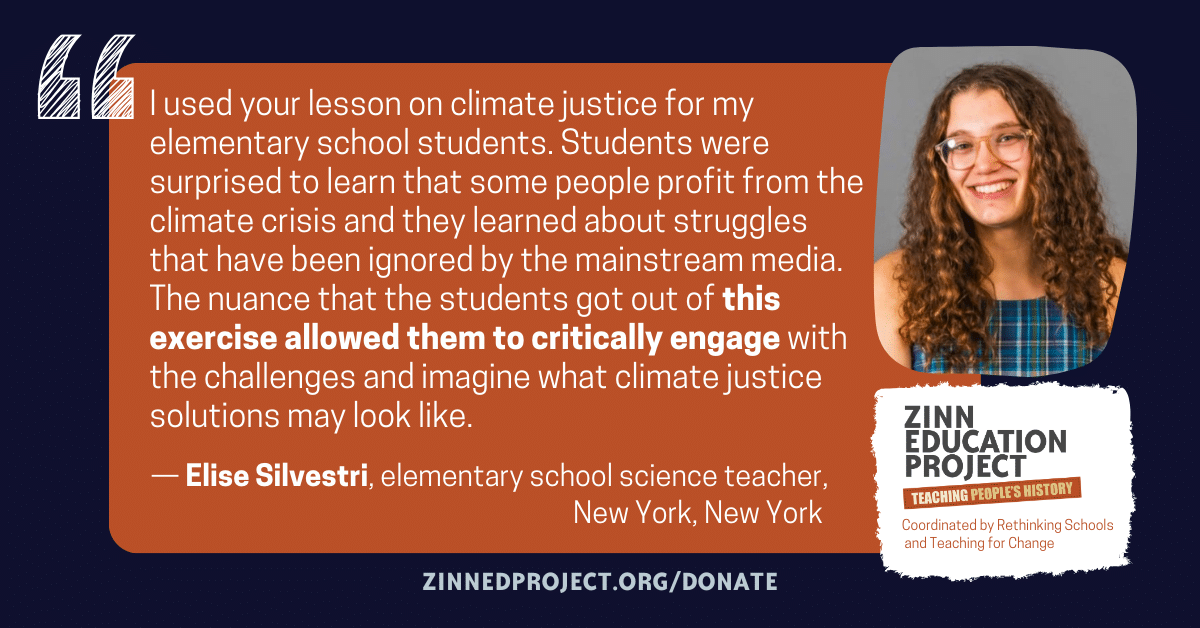
“Students can become inoculated against misinformation,” explains a spokesperson from the Zinn Education Project, which provides free teaching resources that encourage critical thinking. “School is where students can learn to think critically and read stories from history that shed light on today.”
This view stands in direct opposition to what some educators describe as a coordinated effort to restrict classroom instruction through book bans and anti-history education legislation. These restrictive measures have proliferated across numerous states in recent years, limiting discussions about race, gender, and other contested topics in educational settings.
Jason Stanley, author of “How Fascism Works: The Politics of Us and Them,” highlights the fundamental tension at play: “In antidemocratic systems, the function of education is to produce obedient citizens.” This observation underscores the political significance of current debates about curriculum content and teaching methodologies.
Organizations like the Zinn Education Project explicitly position themselves against such restrictions, offering alternative lessons that venture beyond standard textbook material to address immigration, climate change, labor solidarity, and other complex topics. Their approach emphasizes critical inquiry, encouraging students to examine who benefits and who suffers from historical and contemporary policies.
The teaching resources focus on developing analytical skills that help students evaluate information sources and recognize biased or misleading content. By introducing primary source documents and diverse historical perspectives, educators aim to provide students with tools to navigate an increasingly complex information landscape.
Education experts note that schools occupy a unique position in society, potentially serving as spaces where young people can engage with difficult historical realities and contemporary challenges in structured, evidence-based ways. In this context, teaching that incorporates multiple perspectives and encourages questioning becomes not just pedagogically sound but democratically essential.
Critics of these educational approaches claim they introduce political bias into classrooms. However, advocates counter that teaching critical thinking skills and accurate history is fundamentally about intellectual honesty rather than political positioning.
The Zinn Education Project and similar initiatives rely heavily on donations to maintain their free resource libraries and support teachers facing challenges to their curriculum choices. This funding model allows them to operate independently of textbook publishing constraints and state curriculum requirements that might limit content.
As public discourse continues to fragment and polarize, the classroom remains contested territory in determining how future citizens will understand their history and develop the analytical tools to participate in democratic society. The outcome of these educational debates may have lasting implications for how the next generation approaches complex social issues and evaluates information in an era of proliferating misinformation.
For educators committed to teaching critical thinking, the stakes extend well beyond academic achievement to the very foundations of informed citizenship in a democratic society.
Fact Checker
Verify the accuracy of this article using The Disinformation Commission analysis and real-time sources.

8 Comments
This is an important initiative, though I imagine there will be pushback from those who seek to perpetuate misinformation and divisive rhetoric. Rigorous, fact-based education is crucial for a healthy democracy.
Curious to learn more about the specific teaching resources and curriculum the Zinn Education Project is developing. Their approach of using historical context to shed light on current events seems promising.
Yes, I’d be interested to see examples of how they integrate real-world case studies into the classroom to build critical thinking skills.
The climate crisis deserves far more coverage and attention. I’m glad to see educators taking steps to ensure students learn the facts and develop a nuanced understanding of this critical issue.
Worrying to see the rise of extremist language and the decline of traditional media outlets. Strengthening media literacy education is key to fighting these trends.
Absolutely, equipping students with the ability to critically evaluate information sources is essential in the digital age.
Combating misinformation and fascist rhetoric in schools is a vital task. Teaching critical thinking skills to inoculate students against disinformation is a smart approach.
I agree, schools play a crucial role in developing informed and engaged citizens who can think for themselves.