


Listen to the article
Health Experts Address Vaccination Concerns Amid Declining Rates
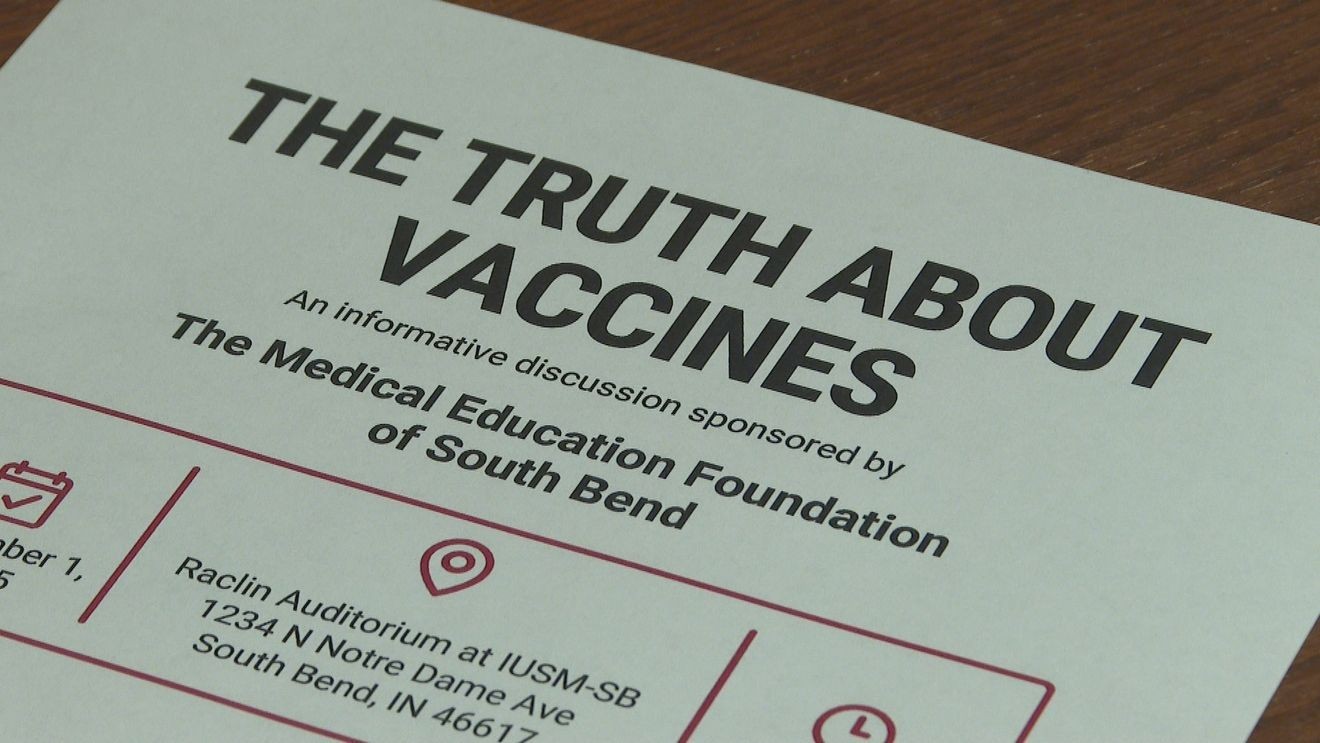
Medical professionals gathered in South Bend, Indiana on Monday evening to discuss the critical importance of vaccinations as immunization rates continue to decline across the region.
The educational forum, organized by Beacon Health System, brought together physicians who aimed to combat growing vaccine hesitancy by addressing common misconceptions and providing evidence-based information to the community.
According to health officials present at the event, infant vaccination rates have plummeted from approximately 70% before the COVID-19 pandemic to just 58% last year. This troubling decline represents thousands of children who may now be vulnerable to preventable diseases.
“We see the day-to-day impacts on patients who are not vaccinated, whether they be children or adults for that matter,” explained Dr. David Vanryn, Co-Medical Director for Education at Beacon Health System. “We think that’s leading to a continued decrease in our population health and concerns for our community.”
The doctors identified misinformation as a primary driver behind vaccine hesitancy. Social media platforms and certain websites have allowed unverified claims about vaccine safety to spread rapidly, creating doubt among parents making healthcare decisions for their children.
During the presentation, physicians emphasized there is no scientific evidence linking vaccines to autism—debunking one of the most persistent myths that continues to circulate despite being thoroughly discredited by multiple large-scale studies. This misconception, stemming from a retracted 1998 research paper, has contributed significantly to vaccine hesitancy worldwide.
Healthcare providers also expressed concern about recent changes to vaccine recommendations at the national level, though they did not elaborate on specific policy shifts. These comments likely reference ongoing debates about immunization schedules and mandatory vaccination requirements that have become increasingly politicized.
The decline in vaccination rates represents a reversal of decades of public health progress in the United States. Before the pandemic, childhood immunization programs had nearly eliminated diseases like measles, mumps, and rubella that once caused widespread illness and death.
Public health officials warn that continued drops in vaccination rates could lead to the resurgence of preventable diseases. This phenomenon has already been observed in several parts of the country, where measles outbreaks have occurred in communities with low immunization rates.
Beacon Health System, the largest healthcare provider in the region, has made addressing vaccine hesitancy a priority through community outreach and educational initiatives like Monday’s event. The organization serves patients across northern Indiana and southwestern Michigan.
Medical experts stress that vaccines undergo rigorous safety testing before approval and continue to be monitored for adverse effects after release. The overwhelming scientific consensus maintains that the benefits of vaccination far outweigh potential risks for the vast majority of individuals.
Monday’s forum represents part of a broader effort by medical professionals to rebuild trust in preventive healthcare measures following pandemic-related disruptions to routine medical care. Many families postponed well-child visits during lockdowns, contributing to the vaccination decline.
Healthcare providers encourage parents with questions about vaccines to consult with trusted medical professionals rather than relying on unverified online sources, emphasizing that personalized medical advice is essential for making informed healthcare decisions.
Fact Checker
Verify the accuracy of this article using The Disinformation Commission analysis and real-time sources.

16 Comments
Declining infant vaccination rates is a concerning public health issue. Doctors are right to address misinformation and encourage evidence-based vaccination to protect vulnerable children.
Vaccine hesitancy is a complex problem, but combating misinformation with facts is a crucial step.
It’s troubling to see vaccination rates decline, especially for preventable childhood illnesses. Doctors are right to prioritize this public health challenge.
I hope the community will listen to medical experts and make informed decisions about vaccination.
Vaccine hesitancy is a concerning trend that can have serious consequences for children’s health. I’m glad to see doctors taking proactive steps to address misinformation and promote vaccination.
Combating misinformation with facts and open dialogue is key to ensuring high vaccination coverage.
While some may have questions, the medical consensus on vaccine safety and efficacy is clear. Doctors are right to prioritize educating the public on this critical public health issue.
Maintaining high vaccination rates is essential for protecting vulnerable populations and safeguarding public health.
While some may have concerns, the scientific evidence overwhelmingly supports the safety and benefits of routine childhood immunizations. Doctors should continue promoting this important message.
Vaccine hesitancy is a complex issue, but facts and open dialogue are key to addressing it.
Preventing serious childhood diseases should be a priority. I’m glad to see medical professionals taking proactive steps to educate the community on vaccine safety and efficacy.
Maintaining high vaccination levels is essential for herd immunity and safeguarding public health.
Vaccines are a proven, safe way to protect children and communities from dangerous diseases. Doctors should keep educating the public on the importance of childhood immunization.
Maintaining high vaccination coverage is crucial for public health, especially for vulnerable populations.
Declining infant vaccination rates is a worrying trend that needs to be addressed. I’m glad to see doctors taking action to combat misinformation and promote evidence-based practices.
Vaccination is a complex issue, but the science is clear on its benefits for individual and community health.