


Listen to the article
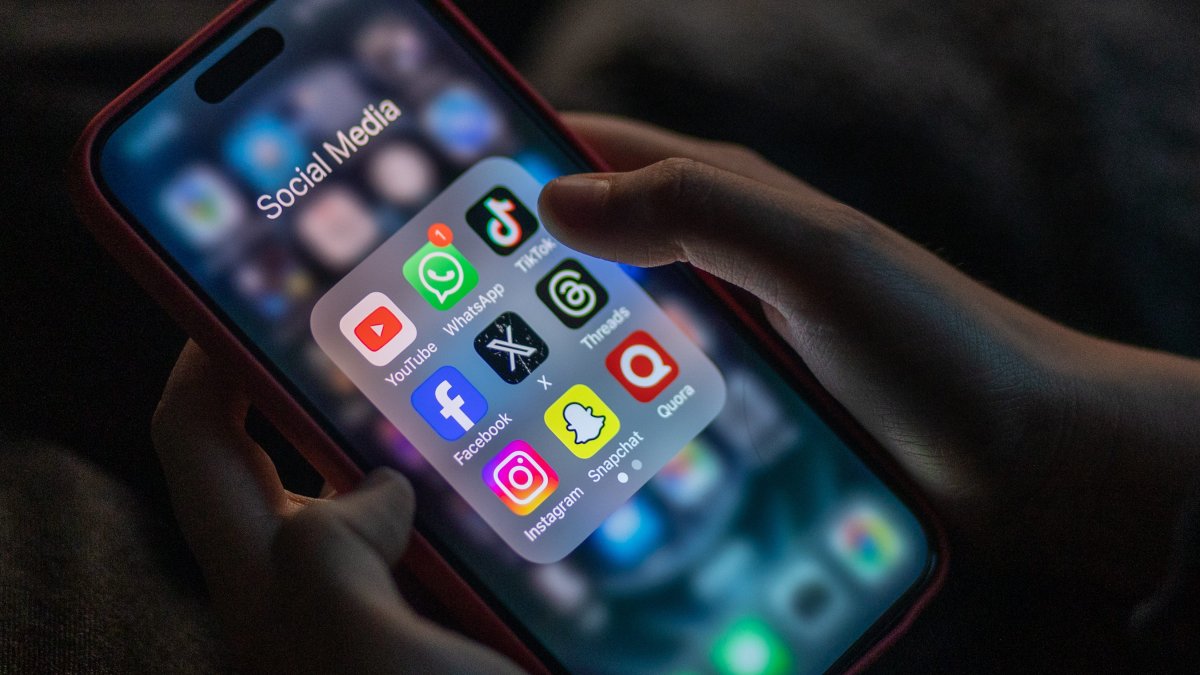
In the era of social media, health misinformation has become increasingly pervasive, spreading beyond traditional Google searches to platforms like Instagram, TikTok, and Reddit, according to experts who are raising alarms about this growing trend.
Dr. Briana Calcagno-Davi, a senior pediatric neuropsychologist for Northwell Health in New York and private practice owner, has found herself updating her advice to patients. “Now I almost am telling them, ‘Don’t Instagram it! Don’t TikTok it! Don’t Reddit it!'” she explained. “A lot of misinformation is being placed out on social media by people who aren’t health clinicians or within the medical field.”
What makes today’s health misinformation particularly concerning is how it can reach users who aren’t actively searching for it. Unlike previous generations who had to deliberately seek out health information, today’s social media algorithms track engagement and browsing history, meaning a single click or like on a health-related post can trigger a flood of similar content.
“In today’s day and age, they don’t have to actively seek it out,” noted Calcagno-Davi, known professionally as Dr. Bri. “What I’m often telling patients is, if it finds you at your front door, do your due diligence to look into who’s saying it, what they’re saying, and do a little research before you take it as truth.”
To better understand the scale of the problem, Calcagno-Davi has launched an anonymous online survey in collaboration with undergraduate students and hospital volunteers. The research aims to measure how frequently social media serves as a health information resource and what users do with the information they receive.
Preliminary results are concerning. With respondents ranging from 13 to 85 years old, nearly 70% believe social media is an effective way to gain medical knowledge. Yet fewer than half have taken steps to verify the credentials of health care specialists they encounter on these platforms.
The consequences of following unverified health information can be serious. “Receiving health misinformation can lead to a delay in receiving the proper diagnosis and care from a medical professional,” Calcagno-Davi warned. “At worst, it can cause people to use harmful products or push off proper care that can be detrimental to their health.”
These concerns align with recent scientific research. A University of Sydney study published in the Journal of the American Medical Association analyzed nearly 1,000 social media posts discussing controversial medical tests promoted by influencers. The findings revealed that 87% of posts mentioned potential benefits, but only 15% discussed possible harms, and a mere 6% referenced scientific evidence.
Perhaps most troubling, the researchers found that 70% of the influencers and account holders promoting these tests had financial interests in them. Collectively, these posts reached an audience of almost 200 million followers.
Health officials are particularly concerned about the spread of misleading information related to preventable diseases like measles, cases of which have been rising across the United States according to the Centers for Disease Control and Prevention.
Calcagno-Davi, who uses social media herself to share reliable information about neuropsychology, recommends that users thoroughly vet all self-proclaimed medical professionals they encounter online. “There are procedures in place to protect the public, and providers’ license statuses and other information are easily accessible,” she emphasized. This information should be verified to ensure medical influencers have proper credentials before following their advice.
For parents, regular communication with children about health matters is crucial. “It’s really hard to mediate how children, and teenagers specifically, use social media,” said Calcagno-Davi, who is also a mother of two. “I think that you can put in all the stops and parental barriers that you can, but I also think having an open lens of communication with your child is the best way.”
Looking toward solutions, Calcagno-Davi suggests that social media platforms implement verification badges specifically for health care professionals. “Wouldn’t it be great if we had a little red shield or a specific verification badge that verifies that the poster is someone in a clinical field as a health provider?” she proposed.
Resources do exist to help verify medical credentials. The U.S. Registry of Exercise Professionals maintains a database for fitness experts, while the American Medical Association and The American Board of Medical Specialties offer searchable databases for medical doctors. State-level databases also allow users to verify medical licenses and check for disciplinary actions.
Until more robust protections are implemented, the responsibility falls to social media users to protect themselves by carefully vetting health information sources. As Calcagno-Davi concludes, “The more information we have on people’s utility of social media as a health platform, the more we can help to support the public in utilizing it safely.”
Fact Checker
Verify the accuracy of this article using The Disinformation Commission analysis and real-time sources.

12 Comments
Interesting to hear a doctor’s perspective on the health misinformation risks posed by social media. It’s concerning how algorithms can amplify and spread this content without users actively seeking it out. We need better digital literacy and critical thinking skills to navigate these challenges.
I agree, the ease with which misinformation can spread on social media is really worrying. Doctors and other credible experts need to be proactive in countering this trend.
This doctor’s warning about the dangers of health misinformation on social media is a wake-up call. As digital communication continues to evolve, we must find ways to promote critical thinking and strengthen the dissemination of reliable, science-based information online.
It’s concerning to hear how social media platforms can amplify health misinformation without users actively seeking it out. Doctors and other experts need to be proactive in countering this trend and guiding patients to credible, evidence-based information.
Absolutely. The proliferation of misinformation on social media is a major public health issue that requires a concerted effort from various stakeholders.
This is a complex issue with no easy solutions. While social media has many benefits, the ability of misinformation to rapidly proliferate is a serious problem, especially when it comes to sensitive health topics. Platforms and users both have a responsibility to combat this trend.
Well said. Misinformation can have real consequences, so finding ways to promote accurate, science-based health information online is crucial.
The doctor makes a valid point. Social media algorithms can inadvertently expose people to health misinformation, which can have serious consequences. Promoting digital literacy and directing patients to reliable medical resources should be a priority for healthcare providers.
This is a troubling trend that requires a multi-pronged approach. Doctors, social media companies, and users all have a role to play in combating the spread of health misinformation online. Building digital literacy skills and promoting authoritative sources will be key.
Completely agree. Raising awareness and equipping people with the tools to identify and avoid misinformation is crucial.
It’s alarming how social media algorithms can inadvertently amplify health misinformation. Doctors need to be vigilant in steering patients towards reliable, evidence-based resources. Improving digital literacy is key to combating this growing challenge.
The doctor’s concerns about social media health misinformation are well-founded. In an era of information overload, we all need to be more critical consumers of online content, especially when it comes to sensitive medical topics. Stricter platform policies could also help curb the spread of this harmful trend.