


Listen to the article
Detroit Police Debunk Fake Story About Officer Death Circulating on Social Media
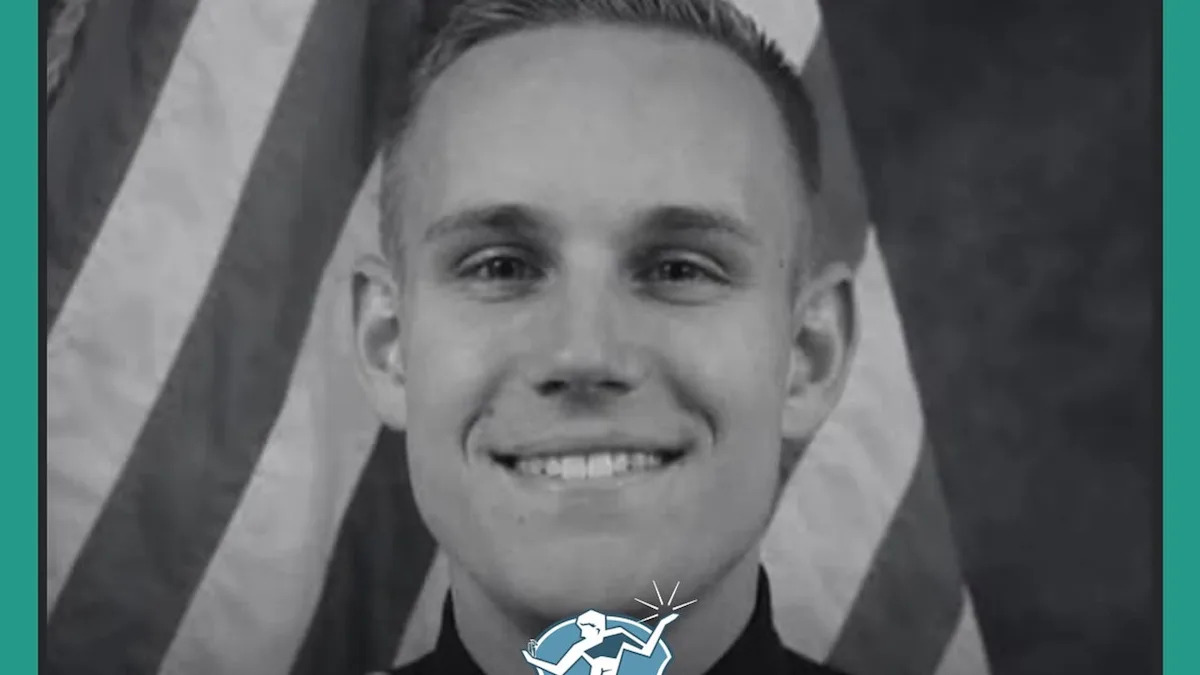
Detroit police officials have issued a public statement refuting a completely fabricated social media post claiming that a young officer died in a drunk driving accident while assisting with Super Bowl preparations.
The false story, which has been spreading on Facebook in recent days, describes in detail how a supposed 23-year-old Detroit police officer was killed when a Jeep driven by an intoxicated driver lost control at nearly 99 mph and veered across multiple lanes of traffic.
“SHOCKING: A 23-year-old Detroit police officer d.i.e.d in a drunk driving accident after volunteering to assist with preparations for Super Bowl LX,” the misleading post begins, before continuing with emotional details about the purported victim being “a young, dedicated officer who always helped others.”
The fabricated story concludes with an appeal to Detroit Lions fans to “pray for him” and includes numerous NFL and Detroit Lions hashtags, seemingly designed to capitalize on the current enthusiasm surrounding the team’s improved performance this season.
Detroit Police Department officials took to their official Facebook page to categorically deny the story after receiving multiple inquiries about the supposed incident. In their statement, they confirmed that not only did the described accident never occur, but the individual mentioned in the post has never been employed by the Detroit Police Department.
“Any information relating to this is false,” the department stated firmly in their response.
Social media experts note that this type of misinformation represents an increasingly common tactic known as “engagement bait,” where fabricated emotional content is used to generate clicks, comments and shares. The post in question follows a classic pattern of such schemes by including a call to action encouraging users to “read the full story in the comments,” where a suspicious link was posted.
These deceptive posts often exploit current events or local interests – in this case, the Detroit Lions’ popularity and the upcoming Super Bowl – to gain traction among targeted community members. Law enforcement agencies across the country have reported similar fabricated stories about officers in their jurisdictions.
Digital literacy advocates recommend that social media users verify information through official sources before sharing emotional stories, particularly those that include links to unfamiliar websites. Red flags that may indicate misinformation include unusual spelling (such as the deliberate misspelling of “died” as “d.i.e.d” in this post), sensationalist language, and requests to engage with or click on external content.
The Detroit Police Department regularly uses its official social media channels to communicate important public safety information and to correct misinformation that might cause unnecessary public concern.
This incident highlights the ongoing challenges faced by law enforcement agencies and communities in combating the spread of false information on social media platforms, particularly when those fabrications exploit public sentiment around respected institutions like police departments or popular local sports teams.
Authorities encourage residents who encounter suspicious posts about public safety incidents to check official department channels or contact their local police non-emergency number to verify information before sharing it with others.
Fact Checker
Verify the accuracy of this article using The Disinformation Commission analysis and real-time sources.

10 Comments
While it’s good the Detroit Police acted quickly, it’s troubling that such fabricated stories can gain traction online in the first place. This highlights the need for better media literacy education to combat the rise of misinformation.
This is unfortunate to hear about the misinformation being spread on social media. It’s important that the public gets accurate information from reliable sources, especially when it comes to matters involving law enforcement and tragic events.
It’s disturbing to see how easily false narratives can spread online, especially when they try to capitalize on current events and people’s emotions. I hope this serves as a reminder to always verify information before sharing it.
This is a concerning example of how social media can be misused to spread harmful falsehoods. I hope the public will learn to be more discerning and verify information before sharing it, especially when it involves sensitive topics like this.
Spreading false information, especially about the death of a public servant, is a serious offense that can have real consequences. I’m glad the Detroit Police took the time to publicly correct this fabricated story.
It’s unfortunate that the public has to be on the lookout for such blatantly false stories on social media. But I commend the Detroit Police for their prompt response in debunking this misinformation.
This is a good example of why it’s crucial for law enforcement agencies to have a strong social media presence and be vigilant about addressing misinformation. Quickly refuting false claims helps maintain transparency and public confidence.
Absolutely. Proactive communication is key in the digital age, as misinformation can proliferate rapidly. Kudos to the Detroit Police for taking swift action to set the record straight.
I’m glad the Detroit Police Department was quick to refute this false story and set the record straight. Spreading fabricated information, especially about someone’s death, is highly irresponsible and can cause real harm.
You’re right, the police need to be proactive in correcting misinformation to maintain public trust. Social media can be a breeding ground for fake news, so it’s good they addressed this promptly.