


Listen to the article
Ten nations have joined forces to combat climate misinformation in a landmark declaration aimed at strengthening global action against the climate crisis. Brazil, Canada, Chile, Denmark, Finland, France, Germany, Spain, Sweden, and Uruguay signed the commitment on November 12 during the third day of COP30, recognizing that “threats to information integrity” represent a significant barrier to climate progress.
The declaration emphasizes the need to ensure equitable access to accurate, evidence-based climate information worldwide. Signatories pledged to cooperate on capacity building initiatives to counter the growing spread of climate misinformation, including outright climate change denial and deliberate attacks on environmental journalists and scientists.
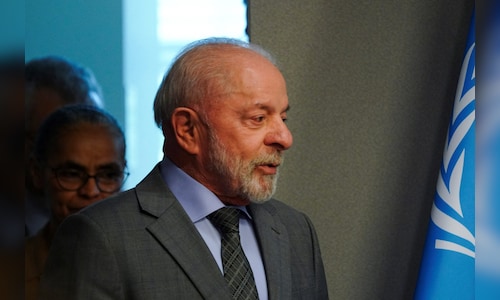
“We live in an era in which obscurantists reject scientific evidence and attack institutions. It is time to deliver yet another defeat to denialism,” said Brazil’s President Luiz Inácio Lula da Silva in a statement following the signing. “Climate change is no longer a threat of the future; it is a tragedy of the present.”
The ten-nation agreement specifically acknowledges how misinformation undermines public debate and erodes trust in institutions, hampering collective efforts to address climate challenges. This coordinated approach represents one of the first formal international agreements focused specifically on combating climate misinformation.
The timing of this declaration comes as climate denial and misleading information continue to proliferate across social media platforms and certain news outlets, creating confusion among the public and potentially delaying crucial climate policies. Experts have increasingly warned that targeted misinformation campaigns, often funded by fossil fuel interests, have significantly impacted public perception and political will to address the crisis.
In a separate but equally significant development at COP30, Pacific Island nations received important legal backing in their fight against rising sea levels. These nations, which face existential threats from climate change despite contributing minimally to global emissions, have gained new leverage following a landmark advisory opinion from the International Court of Justice (ICJ) in July 2025.
The ICJ ruling established that climate action is not merely an aspirational goal but a legal obligation under international law. This represents a pivotal shift in how climate commitments are viewed globally. The court rejected narrow interpretations that only specific treaties like the Paris Agreement govern climate action, instead outlining a broader legal framework based on human rights law, maritime law, environmental treaties, and customary international law.
For vulnerable island nations, this opinion transforms climate diplomacy from primarily moral persuasion to a matter of legal accountability. It provides these countries with stronger grounds to demand concrete action from major greenhouse gas emitters.
The convergence of these developments at COP30 highlights how the global approach to climate change is evolving on multiple fronts – addressing not only the physical challenges of climate change but also the information landscape that shapes public and political responses.
Climate experts note that misinformation has been particularly damaging in delaying meaningful action, as it creates artificial debates about settled science and undermines public support for necessary policies. The ten-nation declaration represents an acknowledgment that addressing the climate crisis requires not only technological and policy solutions but also protecting the integrity of climate information.
As COP30 continues, these initiatives underscore a growing recognition that combating climate change requires multifaceted approaches that address both the physical realities of a warming planet and the social, political, and informational barriers to effective action.
Fact Checker
Verify the accuracy of this article using The Disinformation Commission analysis and real-time sources.

12 Comments
Combating misinformation is a complex challenge, but this multinational effort is a promising start. Maintaining public trust in climate science will be crucial going forward.
The support for Pacific Island nations to seek legal recourse against climate impacts is a critical component of this agreement. Vulnerable communities deserve justice and protection.
Countering climate denialism and protecting environmental journalists and scientists is essential. Misinformation poses a major barrier to addressing the climate crisis.
I agree. We need to empower people with facts and data, not misleading propaganda, to make informed decisions about the environment.
I’m curious to see how these countries will approach capacity building and collaborative initiatives to counter the spread of climate denial narratives. The details will be important.
This declaration recognizes the urgency of addressing climate misinformation, which has hampered progress for far too long. Sustained political will is needed to make a real difference.
Protecting environmental journalists and scientists from attacks is a crucial aspect of this agreement. Their work in exposing the truth must be safeguarded.
While this is a positive step, the real test will be in the implementation and tangible results. Monitoring and accountability measures will be key to ensuring real progress.
The acknowledgement that misinformation undermines public debate and erodes trust is critical. Restoring faith in science-based policymaking is essential for tackling the climate crisis.
This is a welcome move by these nations to combat climate misinformation. Ensuring access to accurate, evidence-based information is crucial for meaningful climate action and awareness.
It’s heartening to see countries come together on this issue. Coordinated efforts to build capacity and counter the spread of climate misinformation are sorely needed.
Absolutely. This declaration could mark an important turning point in the fight against climate denialism and its damaging influence on public discourse.