


Listen to the article
Deadly Hantavirus Outbreak Claims Three Lives on Atlantic Cruise Ship
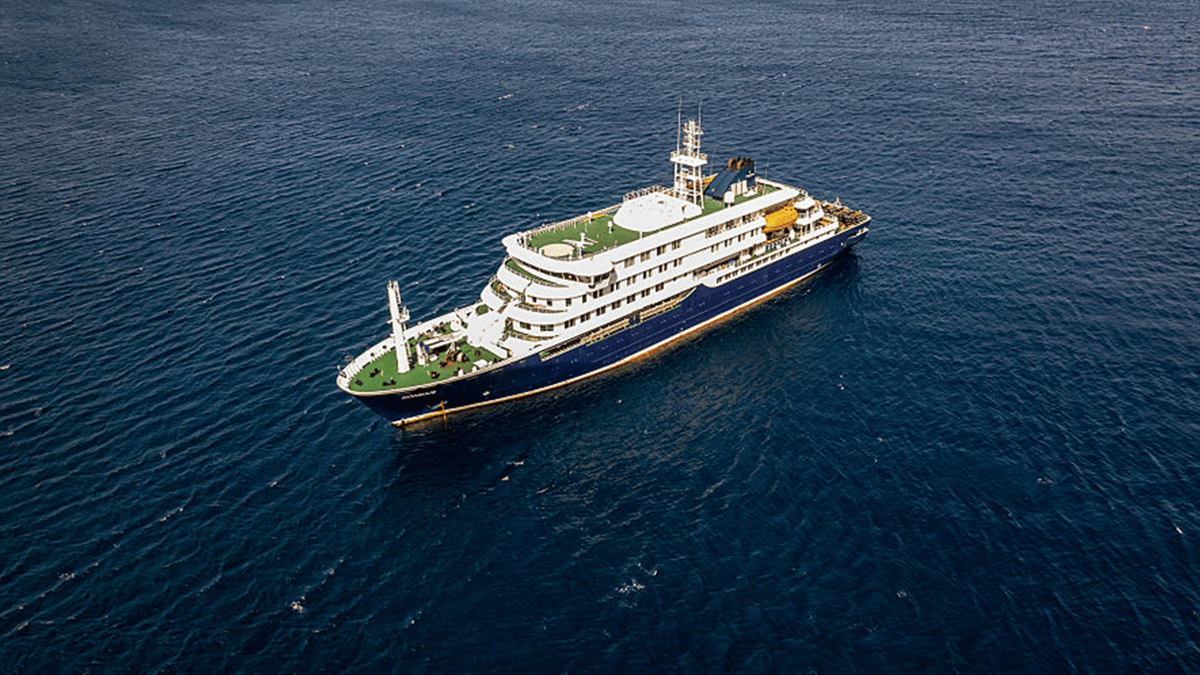
A vacation turned tragic aboard the MV Hondius cruise ship where three passengers have died following a suspected outbreak of hantavirus, a rare but potentially fatal disease typically spread through rodent droppings and urine.
The vessel is currently anchored near Cape Verde as it was en route to the Canary Islands. World Health Organization officials are deliberating on next steps for the Oceanwide Expeditions ship after two additional passengers were evacuated in serious condition, while a third passenger is reported to be in stable condition.
Hantavirus first gained widespread public attention in 2025 when it was implicated in the death of actor Gene Hackman’s wife, Betsy Arakawa. The virus can manifest in two primary forms: hantavirus pulmonary syndrome (HPS) or hemorrhagic fever with renal syndrome (HFRS), depending on the viral strain and geographic location.
Health authorities believe the MV Hondius outbreak involves HPS, which primarily affects the respiratory system. Meanwhile, Dutch media reports have heightened concerns after a KLM flight attendant was hospitalized with hantavirus symptoms. The flight attendant had reportedly come into contact with a 69-year-old Dutch woman who attempted to board a KLM flight in South Africa but was deemed too ill to travel. The woman later died, with health officials investigating her death as a possible hantavirus case.
WHO epidemiologist Maria Van Kerkhove has emphasized that this outbreak should not be compared to COVID-19, though social media platforms are already awash with alarming and often misleading information about the situation.
“This pattern of misinformation spread is unfortunately familiar,” says Ana Carolina Goncalves, Superintendent Pharmacist at Pharmica. “During the COVID-19 pandemic, we saw how false information spread 3.5 times faster on platforms like X than factual corrections. A dramatic but false claim can reach large audiences quickly, while corrections may never reach the same people.”
Goncalves warns the public to be skeptical of content suggesting hantavirus is transmitted through air like COVID-19. “There’s no evidence supporting claims of widespread human-to-human transmission. This is part of a pattern we’ve seen before—exaggerating transmission methods to create panic,” she explained.
The facts present a far less alarming picture. According to the U.S. Centers for Disease Control and Prevention, only 890 hantavirus cases were reported in the United States from 1993 through 2023—a stark contrast to the global impact of COVID-19.
Another red flag Goncalves highlights is claims about hidden cures, suppressed vaccines, or secret treatments. “Currently, there’s no specific approved antiviral treatment or approved vaccine available for hantavirus infection,” she states. Treatment primarily focuses on supportive care, including early hospitalization and respiratory support for severe cases.
The cruise industry, already recovering from the devastating impact of the COVID-19 pandemic, now faces new challenges with this outbreak. Oceanwide Expeditions has not yet released detailed information about their containment measures or the origin of the infection aboard the MV Hondius.
Maritime health protocols have been significantly enhanced since the pandemic, but outbreaks on cruise ships remain particularly concerning due to the confined spaces and challenges in evacuating ill passengers at sea.
Health experts recommend that anyone developing flu-like symptoms after potential exposure to rodents should seek immediate medical attention and specifically mention the exposure. Early diagnosis is crucial as the disease can progress rapidly.
For reliable information, health officials advise following updates from the World Health Organization’s Disease Outbreak News page and the CDC’s case counts and prevention guidance. The WHO continues to list the global risk from hantavirus as low.
“When consuming health information, it’s critical to look for clear sources and maintain perspective,” Goncalves concludes. “There’s a vast difference between limited transmission among close contacts and widespread airborne transmission—a distinction often lost in rapidly shared social media posts.”
Fact Checker
Verify the accuracy of this article using The Disinformation Commission analysis and real-time sources.

7 Comments
This is certainly a reminder that zoonotic diseases can pose serious risks, even in unexpected settings like cruise ships. Vigilance and preparedness by public health authorities will be key going forward.
This is certainly a concerning situation. Hantavirus can be a serious illness, but it’s important not to panic. Health officials will need to carefully investigate the source and manage the outbreak responsibly.
Tragic to hear about the loss of life on that cruise ship. Hantavirus is rare but can be deadly if not treated properly. Hopefully the other passengers receive the medical care they need.
While concerning, it’s good that health experts are taking this hantavirus situation seriously and working to prevent further spread. Minimizing ‘pandemic panic’ is also an important consideration.
Agreed, a measured response that prioritizes facts over fear is the responsible approach here.
Tragic to hear about the hantavirus deaths on that cruise ship. I hope the health experts are able to quickly identify the source and contain the outbreak to prevent further loss of life.
I’m curious to learn more about the steps being taken to contain this hantavirus outbreak on the cruise ship. Proper precautions and swift action by health authorities will be critical.