


Listen to the article
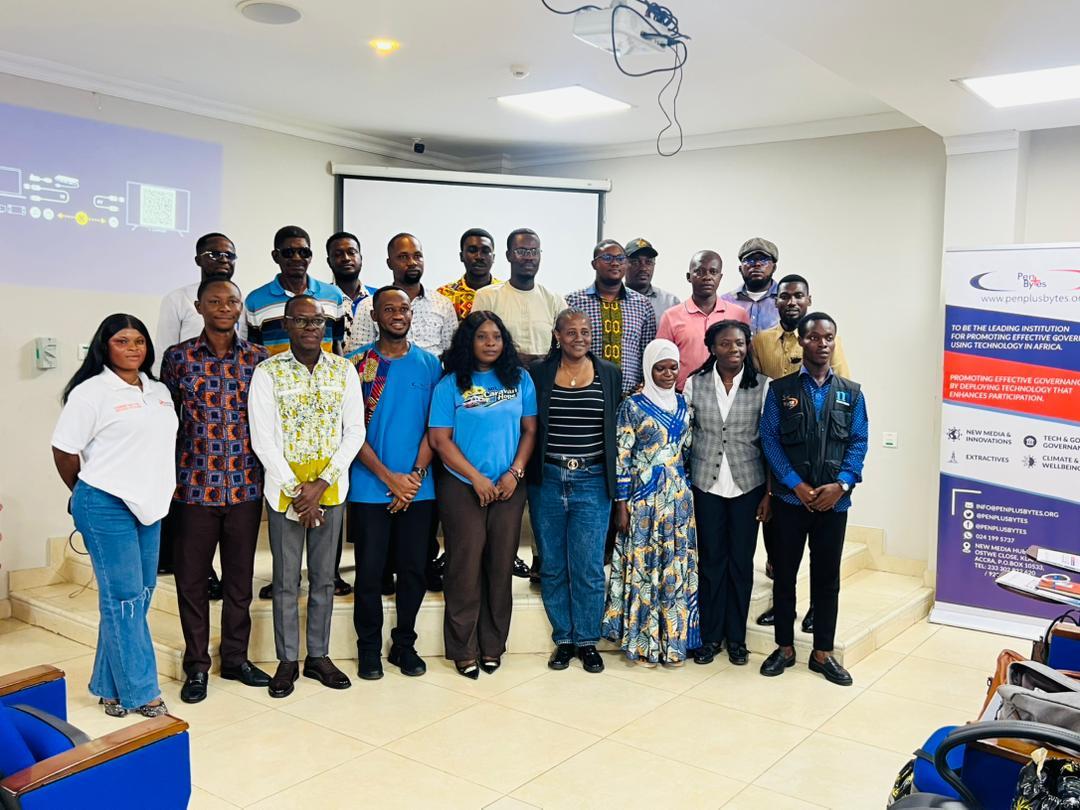
Media practitioners from across Ghana gathered at the University of Education, Winneba (UEW) for a timely workshop aimed at combating the rising threat of misinformation, AI-generated fake news, and ethical challenges in journalism. The event, held at Seminar Room 3 of the Student Centre on UEW’s North Campus, represented a crucial effort to strengthen media integrity in an increasingly complex information landscape.
The workshop was jointly organized by the Centre for Communication Education Research and Professional Development at UEW’s School of Communication and Media Studies and Penplusbytes, a leading media development organization in Ghana. Under the theme “Tackling information disorder, AI-Driven Fake News, and Ethical Journalism through Media and Information Literacy skills,” the program provided practical training for journalists navigating the evolving digital ecosystem.
As artificial intelligence tools become more sophisticated at generating deceptive content, Ghanaian media professionals face unprecedented challenges in verifying information and maintaining public trust. The training addressed these concerns head-on, offering participants concrete strategies for identifying misinformation and upholding journalistic standards.
“This collaboration comes at a critical moment for our media landscape,” noted Prof. Albert A. Wornyo, Dean of the School of Communication and Media Studies, who hosted the event. His presence underscored the vital connection between academic institutions and practical journalism in addressing contemporary media challenges.
The workshop featured expert facilitators including Prof. Gifty Appiah-Adjei, Head of Journalism and Media Studies at UEW, alongside Emmanuel Koranteng Asomani and Rebecca Avusu from Penplusbytes. Their sessions covered a comprehensive range of topics including ethical reporting frameworks, advanced verification techniques, and practical approaches to combating information disorder.
Participants engaged in hands-on training with digital verification tools specifically designed to detect AI-generated content—a growing concern as synthetic media becomes increasingly difficult to distinguish from authentic material. The practical components allowed journalists to test these tools against real-world examples of misinformation currently circulating in Ghana’s media ecosystem.
The initiative reflects growing concern about the potential impact of unchecked misinformation on Ghana’s democratic processes. With the country’s vibrant but often fragmented media landscape, maintaining standards of accuracy and ethical reporting has become increasingly challenging, especially as social media platforms accelerate the spread of unverified information.
Ghana’s media industry has experienced rapid digital transformation in recent years, with traditional outlets expanding their online presence while navigating economic pressures. This digital shift has created new vulnerabilities to misinformation that require specialized training and awareness.
“Journalists serve as the first line of defense against information disorder,” explained Emmanuel Koranteng Asomani during his presentation. “Equipping media practitioners with advanced verification skills isn’t just about protecting their credibility—it’s about safeguarding the public’s right to accurate information.”
The workshop represents part of a broader national effort to strengthen media literacy and combat misinformation. Similar initiatives have emerged across Ghana’s academic and media development sectors as awareness grows about the potential societal harm caused by unchecked misinformation.
For participating journalists, the training offered not only technical skills but also a renewed sense of professional purpose. As one attendee noted, “The line between real and fake has never been more blurred. This workshop has given us practical tools to maintain our credibility when it matters most.”
As Ghana approaches future electoral cycles and faces complex policy challenges, the role of responsible media becomes increasingly vital. Workshops like this demonstrate a proactive approach to maintaining journalistic integrity despite technological disruption and economic pressures in the media industry.
The collaboration between UEW and Penplusbytes highlights the importance of partnerships between academic institutions and media development organizations in building sustainable solutions to contemporary challenges facing journalism in Ghana and across West Africa.
Fact Checker
Verify the accuracy of this article using The Disinformation Commission analysis and real-time sources.

16 Comments
This workshop sounds like a valuable opportunity for Ghanaian media professionals to sharpen their skills in verifying information and combating disinformation. Kudos to the organizers for their forward-thinking initiative.
The rise of AI-powered misinformation is a serious threat to the integrity of journalism. I’m encouraged to see efforts like this to equip media practitioners with the tools and strategies they need to navigate this evolving landscape.
Absolutely. Strengthening media literacy is crucial to maintaining public trust and ensuring accurate, fact-based reporting, especially in critical sectors like mining and energy.
The mining, metals, and energy sectors are prime targets for misinformation campaigns. This workshop seems like a timely and necessary intervention to support accurate, fact-based reporting in these industries.
Agreed. Reliable information is crucial for investors, policymakers, and the general public when it comes to these essential commodities and resources.
Tackling the challenge of AI-generated fake news is crucial for maintaining public trust in journalism. I’m glad to see UEW and Penplusbytes taking a proactive approach to this issue.
This is an important initiative to help journalists combat the growing threat of misinformation and AI-generated fake news. Providing media literacy training is crucial to maintaining public trust in an increasingly complex digital landscape.
Agreed. As AI tools become more sophisticated, journalists need robust strategies to verify information and safeguard journalistic integrity.
It’s great to see initiatives like this aimed at equipping journalists with the skills to navigate the evolving digital landscape. Combating misinformation and fake news is vital for informed decision-making.
This is a valuable effort to strengthen media integrity in Ghana. As AI capabilities advance, the need for media literacy training will only grow. Kudos to the organizers for their proactive stance.
This is a much-needed initiative, especially in the mining and energy sectors where misinformation can have significant real-world impacts. Empowering journalists to navigate the digital ecosystem is a wise investment.
Absolutely. Accurate, fact-based reporting is essential in these industries to inform the public and support sound policymaking.
Kudos to UEW and Penplusbytes for organizing this timely workshop. Equipping media professionals with the skills to identify and counter disinformation is vital for the future of quality journalism.
It’s encouraging to see proactive efforts to address these challenges. Strengthening media literacy is crucial to combat the spread of fake news.
I’m curious to learn more about the specific strategies and tools covered in this workshop. Combating AI-generated fake news must require a multi-faceted approach.
Yes, I’d be interested in the workshop’s approach to verifying information and detecting AI-manipulated content. Maintaining journalistic integrity is crucial.