


Listen to the article
Cook County officials are fighting Medicaid misinformation as recent changes to the program have left many recipients confused about their healthcare coverage.
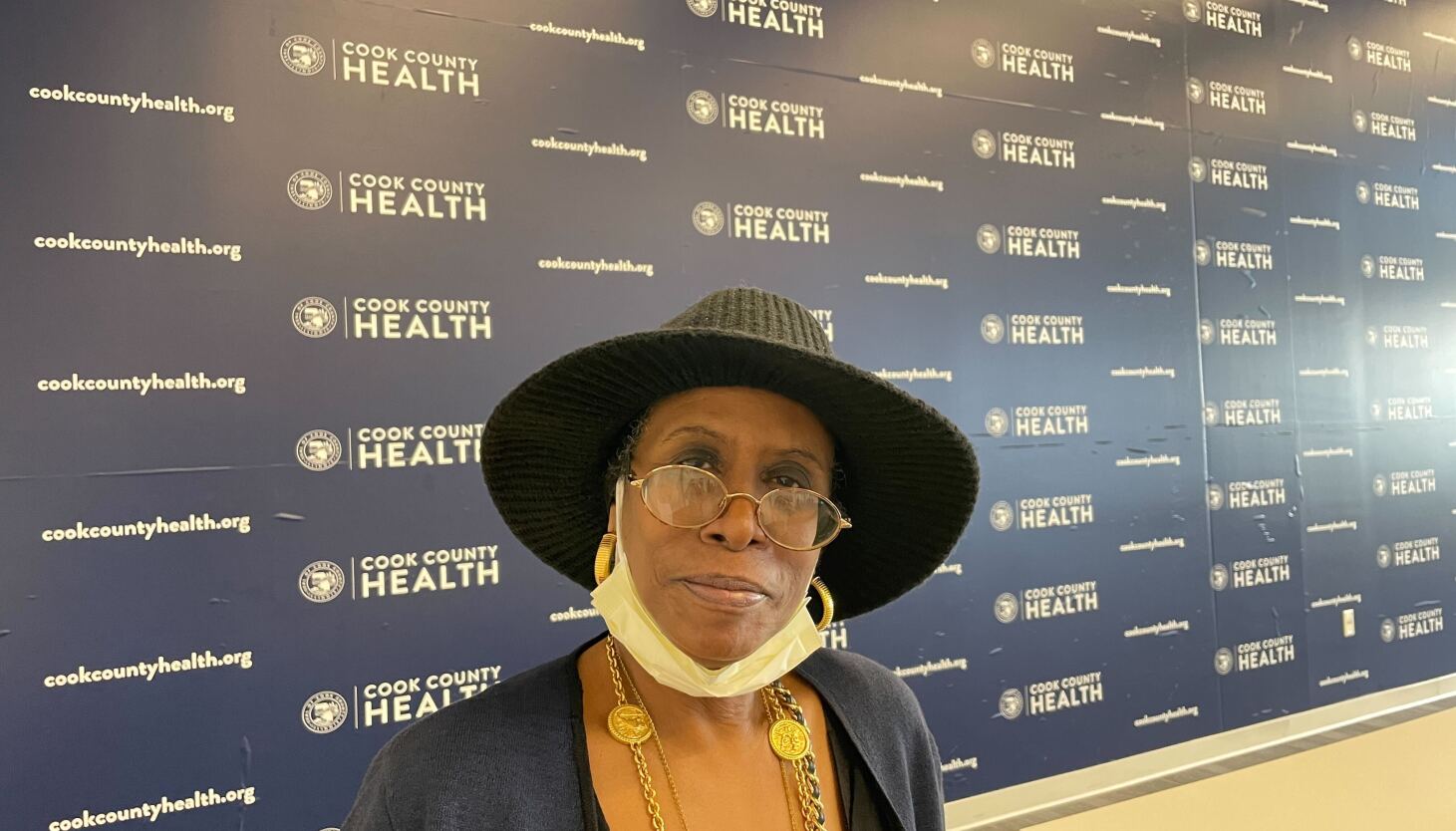
Vikki Radford, a 64-year-old Chatham resident, attributes her survival to early cancer detection made possible through her CountyCare Medicaid plan. Now cancer-free but still requiring regular check-ups, Radford has become an advocate for Medicaid access.
“Health coverage, to me, is not a privilege, it is a right,” Radford said at a Tuesday press conference alongside Cook County officials. “I don’t care what color you are, what creed you are, what gender, your income status, I don’t care. Health coverage is a right, point blank and simple.”
County officials organized the event to clarify widespread confusion about Medicaid eligibility following congressional changes to the program last summer. Aaron Galeener, chief administrative officer for CountyCare, addressed concerns from worried residents about whether they still qualify for coverage.
“If you qualified for Medicaid yesterday, you still have it today,” Galeener reassured the public.
The tax and spending package passed by Congress – dubbed the “Big Beautiful Bill” by former President Donald Trump – introduces significant Medicaid changes, including work requirements and semi-annual eligibility verification. However, county officials emphasized these changes won’t take effect until January 2027, and states are still awaiting federal guidance on implementation details.
In the meantime, Cook County is organizing redetermination events throughout the month to help enrollees maintain coverage. More information is available on the CountyCare website.
Cook County’s Medicaid program currently serves more than 400,000 people, but officials are already observing concerning trends. September saw a decrease of 15,600 Medicaid enrollees in the county alone. Looking ahead, Elizabeth Whitehorn, director of the Illinois Department of Healthcare and Family Services, estimates between 190,000 and 360,000 Illinois residents could lose Medicaid coverage once work requirements take effect.
Cook County Board President Toni Preckwinkle emphasized the stakes are highest for vulnerable populations.
“The people who will be most impacted are children, seniors and people living with disabilities,” Preckwinkle said. “This is a confusing and frightening time. It represents abject failure in leadership by lawmakers who are making decisions without regard to real lives and needs of their constituents.”
Radford’s personal experience illustrates the precarious nature of Medicaid coverage even before new requirements take effect. Despite working two housekeeping jobs, her fluctuating income briefly cost her coverage last year when she earned more than usual in a single month. Though she eventually had her benefits restored and is now scheduling hernia surgery, the temporary loss caused significant anxiety.
“Even though I got my medical coverage back, I have to fight for others who don’t have it and are going through trouble,” Radford explained. “I went through anxiety, fear, I was scared because, at my age and the underlying conditions that I have, let’s put it simple — I could die.”
The confusion surrounding Medicaid eligibility comes amid broader national debates about healthcare access. Medicaid expansion under the Affordable Care Act significantly reduced the uninsured rate in many states, including Illinois, which expanded the program in 2014. However, various administrative barriers, like complex renewal processes, have contributed to coverage losses even among eligible individuals.
Public health experts have consistently emphasized that continuous healthcare coverage leads to better health outcomes and reduces costly emergency room visits. Early detection services, like those that identified Radford’s cancers, represent significant cost savings compared to treating advanced diseases.
As 2027 approaches, state and county officials will face increasing challenges in preparing residents for the new work requirements while minimizing coverage disruptions. In the meantime, they continue urging eligible residents to maintain their enrollment and utilize preventive services.
Fact Checker
Verify the accuracy of this article using The Disinformation Commission analysis and real-time sources.

14 Comments
It’s good to see county officials taking proactive steps to address Medicaid misinformation. Ensuring access to quality healthcare is a fundamental right, and I’m glad they’re working to clarify eligibility and coverage for residents.
Absolutely. Misinformation can sow unnecessary confusion, so it’s important for authorities to provide clear, factual information to the public.
The county’s efforts to clarify Medicaid eligibility and address widespread confusion are commendable. Maintaining access to healthcare is a fundamental right, and I’m glad to see local leaders taking this issue seriously.
It’s good to see county officials taking a proactive approach to addressing Medicaid misinformation. Clear communication and transparency are key to ensuring eligible residents maintain access to critical healthcare coverage.
The personal story shared by the 64-year-old Chatham resident highlights the real-world impact of Medicaid coverage. Early cancer detection and regular check-ups can be life-changing, and it’s important to protect this safety net.
Absolutely. Medicaid coverage can be a matter of life and death for many, so it’s critical that policymakers and officials work to strengthen and expand access to these vital services.
The emphasis on healthcare as a basic human right, not a privilege, is a powerful and important message. I hope this perspective gains more traction as policymakers and the public grapple with the complexities of healthcare access.
Agreed. Framing healthcare as a fundamental right, rather than a commodity, is crucial to ensuring equitable and inclusive access for all members of society.
The emphasis on healthcare as a fundamental right, not a privilege, is a powerful statement. I hope this message resonates and encourages more people to advocate for equitable access to Medicaid.
Yes, that framing is important. Healthcare should be viewed as a basic human right, not something that should be denied based on income, gender, or other factors.
It’s reassuring to hear the county’s chief administrative officer reaffirm that Medicaid eligibility remains unchanged despite recent legislative changes. Clear communication from officials is crucial to dispel confusion.
Transparent communication and addressing misinformation head-on is the best way to ensure vulnerable populations maintain access to vital healthcare services.
The comments from the 64-year-old Chatham resident highlight the real-world impact of Medicaid coverage. Early cancer detection and regular check-ups can make all the difference in health outcomes.
Agreed. Medicaid is a crucial safety net, and stories like this demonstrate how it can be a lifeline for those who need it most.