


Listen to the article
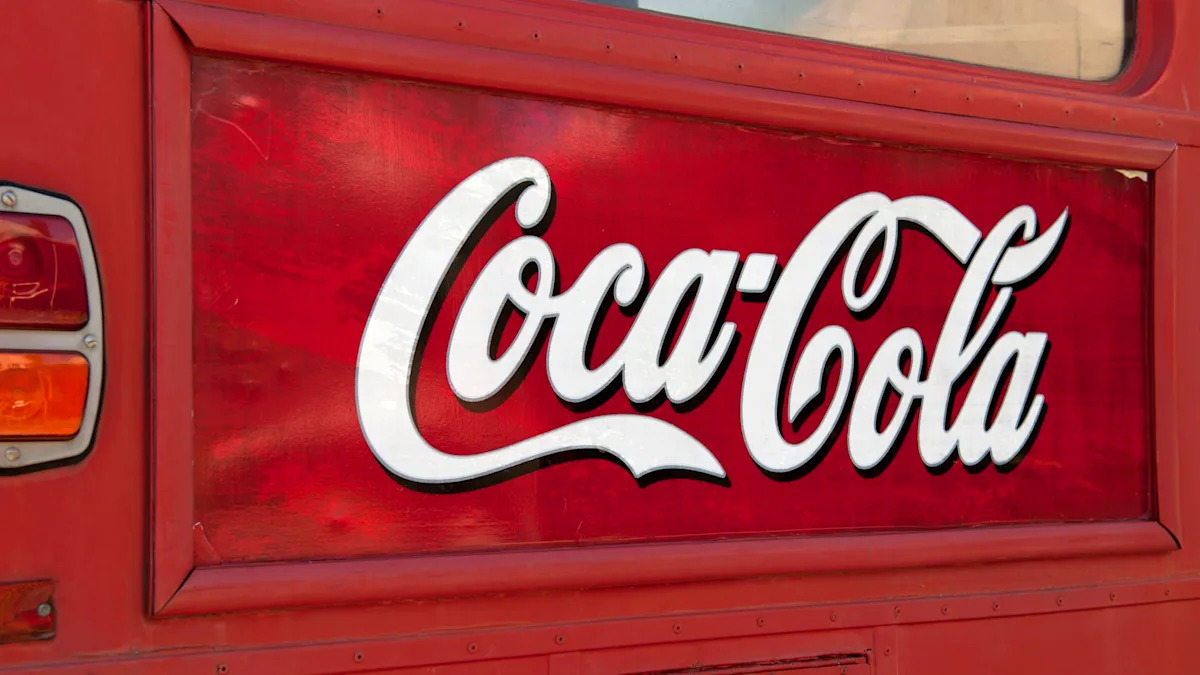
In a bold move to combat rising health concerns, Mexico is considering a significant increase in its tax on soft drinks and sugary beverages, facing strong opposition from industry giant Coca-Cola through what health advocates call a coordinated misinformation campaign.
The proposed legislation would triple the current tax from one peso to three pesos per liter—approximately 16 cents—and extend the tax to include drinks with non-caloric sweeteners. The revenue from this tax is earmarked for public health initiatives, continuing the pattern established by the existing tax system.
According to Mexican news outlet Sin Embargo, Coca-Cola has mobilized significant resources to fight the proposal, working through industry associations including the Mexican Association of Beverages and the National Association of Small Merchants. The company’s representatives have claimed the original tax produced no demonstrable health benefits, despite studies showing a measurable reduction in sugary beverage consumption.
Alejandro Calvillo, director of Consumer Power, expressed alarm at the company’s tactics. “Something that is very surprising, and that we have not seen either nationally or internationally, is that a Coca-Cola official publicly attacks the regulation and makes direct, personal attacks,” Calvillo said. “Coca-Cola opposes these policies and does so through associations such as the Mexican Beverage Association, but we have never seen this attitude before.”
Health advocates argue that the industry’s opposition stems from concern over profit margins rather than public welfare. While the tax amounts to just pennies per beverage, the cumulative effect across millions of daily purchases could impact both corporate revenue and, more importantly, public health outcomes in a country grappling with high rates of obesity and diabetes.
Mexico has been at the forefront of implementing fiscal policies to address diet-related health issues. The country first introduced its peso-per-liter tax in 2014, making it an early adopter of such measures. Public health experts have been monitoring the results closely, with initial studies suggesting modest but meaningful reductions in consumption of sugary drinks, particularly among lower-income households.
The proposed expansion comes as many nations worldwide consider similar measures to address growing health crises related to excessive sugar consumption. The World Health Organization has repeatedly encouraged governments to use taxation as one tool in a comprehensive approach to improving dietary habits.
Beyond the immediate health concerns, environmental advocates note that Coca-Cola’s opposition to the tax overlooks the company’s environmental impact. The beverage giant has repeatedly been identified as one of the world’s worst plastic polluters. When soft drinks are sold in single-use plastic bottles, many end up as litter or ocean waste, shedding harmful microplastics that present their own public health concerns.
Industry representatives have argued that beverages containing artificial sweeteners should be exempt from the increased tax, positioning them as healthier alternatives. However, health researchers increasingly question whether these products truly represent a significant improvement over sugar-sweetened versions, with some studies suggesting they may still contribute to metabolic disorders.
Calvillo emphasized the importance of public awareness in combating industry misinformation. “This information needs to reach the public,” he stated. “We have to prevent the advertising of these products, we have to prevent these products not only from being in schools, but also from being in spaces where families gather, and we have to impose high taxes on these products so that the resources go to health to prevent and treat the harm that their consumption is causing.”
The legislative battle highlights the ongoing tension between public health initiatives and corporate interests. While seemingly small, such incremental policy changes can yield significant population-level health improvements when implemented consistently and protected from corporate interference through transparent public discourse.
As Mexico’s lawmakers consider the proposal, the outcome will be closely watched by public health officials and industry representatives worldwide as a potential model for similar initiatives in other markets.
Fact Checker
Verify the accuracy of this article using The Disinformation Commission analysis and real-time sources.

31 Comments
Production mix shifting toward News might help margins if metals stay firm.
Good point. Watching costs and grades closely.
Good point. Watching costs and grades closely.
If AISC keeps dropping, this becomes investable for me.
Interesting update on Coca-Cola Faces Backlash Over Alleged Misinformation Campaign. Curious how the grades will trend next quarter.
Good point. Watching costs and grades closely.
If AISC keeps dropping, this becomes investable for me.
Good point. Watching costs and grades closely.
Good point. Watching costs and grades closely.
Production mix shifting toward News might help margins if metals stay firm.
Good point. Watching costs and grades closely.
Uranium names keep pushing higher—supply still tight into 2026.
Good point. Watching costs and grades closely.
Silver leverage is strong here; beta cuts both ways though.
Good point. Watching costs and grades closely.
Good point. Watching costs and grades closely.
Exploration results look promising, but permitting will be the key risk.
Exploration results look promising, but permitting will be the key risk.
Silver leverage is strong here; beta cuts both ways though.
Good point. Watching costs and grades closely.
Good point. Watching costs and grades closely.
Silver leverage is strong here; beta cuts both ways though.
Good point. Watching costs and grades closely.
Exploration results look promising, but permitting will be the key risk.
Good point. Watching costs and grades closely.
Good point. Watching costs and grades closely.
Silver leverage is strong here; beta cuts both ways though.
Good point. Watching costs and grades closely.
Good point. Watching costs and grades closely.
Uranium names keep pushing higher—supply still tight into 2026.
Good point. Watching costs and grades closely.