


Listen to the article
Clinton Claims Social Media Distorts Young Americans’ Views on Gaza Conflict
Hillary Clinton has criticized social media platforms for shaping young Americans’ perspectives on the Gaza war, claiming that sites like TikTok spread misinformation that has fueled support for the Palestinian cause.
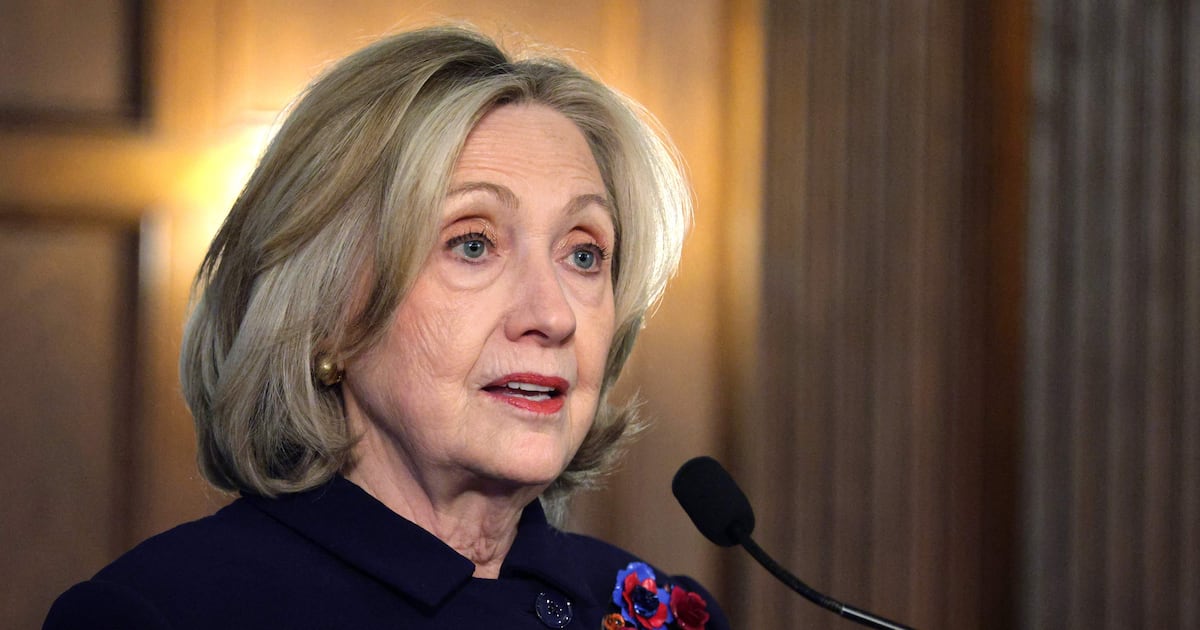
Speaking at a summit in New York organized by Israeli newspaper Israel Hayom on Tuesday, the former US secretary of state and 2016 Democratic presidential nominee argued that digital platforms have become the primary source of information for many young people while providing little fact-checking or context.
“Smart, well-educated young people from our own country, from around the world, where were they getting their information?” Clinton asked. “They were getting their information from social media, particularly TikTok.”
Clinton claimed that some of the most widely shared videos depicting violence in Gaza were “totally made up,” suggesting that manipulated or decontextualized content had distorted public understanding of the October 7, 2023 Hamas attack and Israel’s military response.
She expressed frustration about the difficulty in having conversations with young people about the conflict because “what they were being told on social media was not just one-sided, it was pure propaganda.”
Since the war began, social media platforms including Instagram and TikTok have been flooded with images of civilian casualties in Gaza, many published almost in real-time, particularly showing children who have been killed or injured.
“That is where they were learning about what happened on October 7, what happened in the days, weeks and months to follow,” Clinton said. “It’s a serious problem for democracy, whether it’s Israel or the United States, and it’s a serious problem for our young people.”
The former secretary of state also warned that Israel faces an unprecedented public relations challenge with younger Americans. “Israel has the worst PR of any group I have ever known,” she remarked. “The story that needed to be told is not being told effectively, and I think it is only getting worse.”
Her comments come as polling shows a significant shift in American public opinion regarding the conflict. A Gallup poll conducted in March found that support for Israel among Americans had plummeted to 46 percent, a six percentage point drop from the previous year and the lowest level recorded in 25 years of the company’s polling on the issue.
Simultaneously, the same poll revealed that 33 percent of American adults expressed sympathy with Palestinians, a six percentage point increase from the previous year and the highest level ever recorded by two percentage points.
Clinton pointed to New York mayor-elect Zohran Mamdani—who has described Israel’s actions in Gaza as genocide—as an example of how effective social media campaigns can shape political outcomes. She described Mamdani as “a brilliant social media candidate” who successfully appealed to young voters across demographic lines.
“He drew from across the city, and young people were the drivers, young people from every background, every ethnicity, every religion, who related to him and really admired the way he presented himself,” she said.
Clinton emphasized that his campaign strategy warrants careful study due to its effectiveness “in conveying an image and a message that young people were drawn to.” She suggested that understanding how information spreads through social media is crucial for comprehending shifting public opinion on international conflicts like the Gaza war.
Fact Checker
Verify the accuracy of this article using The Disinformation Commission analysis and real-time sources.

16 Comments
Clinton’s remarks on the impact of social media on young people’s perspectives on the Gaza conflict raise valid concerns. The spread of misinformation is a serious issue that deserves careful examination. It would be interesting to hear more about her proposed solutions to address this problem.
While Clinton’s concerns about the influence of social media on public opinion are understandable, I wonder if her comments risk dismissing the genuine concerns of young people about the situation in Gaza. A more balanced and inclusive approach would be valuable.
Clinton’s remarks on the impact of social media on young people’s views of the Gaza conflict raise important questions about the role of digital platforms in shaping public opinion. While the potential for misinformation is concerning, it’s crucial to approach this issue with nuance and avoid oversimplifying the complex realities on the ground.
I appreciate Clinton’s efforts to draw attention to the problem of misinformation on social media, but I’m not sure her proposed solutions go far enough. Developing more effective strategies to combat the spread of disinformation and promote media literacy could be a valuable next step.
Clinton raises a valid point about the influence of social media on shaping perspectives, especially for younger audiences. However, the claim that videos depicting violence in Gaza were ‘totally made up’ seems like an oversimplification. More nuanced analysis would be helpful to understand the dynamics at play.
I agree that the spread of misinformation on social media is a significant challenge, but I’m not sure Clinton’s comments fully capture the complexity of this issue. It would be interesting to hear more about her proposed solutions to address this problem.
Clinton’s comments highlight the power of social media in influencing public opinion, particularly among young people. While the potential for misinformation is concerning, I’m curious to learn more about the specific videos and content she believes were manipulated or decontextualized.
The role of social media in shaping views on complex geopolitical issues like the Gaza conflict is an important topic to discuss. However, I think it’s crucial to approach this discussion with nuance and avoid oversimplifying the situation.
Clinton’s comments on the influence of social media on young people’s perspectives on the Gaza conflict highlight the need for critical media literacy education. While the spread of misinformation is concerning, it’s important to recognize the diversity of views and experiences that shape people’s understanding of this complex issue.
I agree that the role of social media in shaping public discourse on the Gaza conflict is an important issue to address. However, Clinton’s claims about the nature of the content being ‘totally made up’ seem overly simplistic. A more nuanced analysis would be valuable.
Interesting perspective from Clinton on the impact of social media on young people’s views of the Gaza conflict. It highlights how misinformation can spread rapidly online and shape public opinion, especially among younger generations who rely heavily on digital platforms.
While the role of social media in spreading misinformation is concerning, I wonder if Clinton’s views oversimplify a complex geopolitical issue. Fact-checking and providing more context would be valuable, but it’s also important to listen to diverse voices on this topic.
Clinton’s remarks on the impact of social media on young people’s views of the Gaza conflict raise valid concerns about the spread of misinformation. While the potential for digital platforms to distort public understanding is concerning, it’s crucial to approach this issue with nuance and avoid dismissing the genuine concerns of those who hold different perspectives.
I appreciate Clinton’s effort to draw attention to the problem of misinformation on social media, but I’m not convinced that her proposed solutions go far enough. Developing more comprehensive strategies to combat disinformation and promote critical thinking skills could be a valuable next step.
Clinton’s comments highlight the need to critically examine the role of social media in shaping public discourse, particularly on complex geopolitical issues like the Gaza conflict. However, her claim that videos depicting violence were ‘totally made up’ seems like an oversimplification that could undermine the credibility of her arguments.
I agree that the spread of misinformation on social media is a significant concern, but I’m not convinced that Clinton’s proposed solution of simply providing more fact-checking and context is sufficient. Addressing the underlying systemic issues that contribute to the problem may be necessary.