


Listen to the article
Clinton Criticizes Social Media’s Influence on Youth Perceptions of Israel-Palestine Conflict
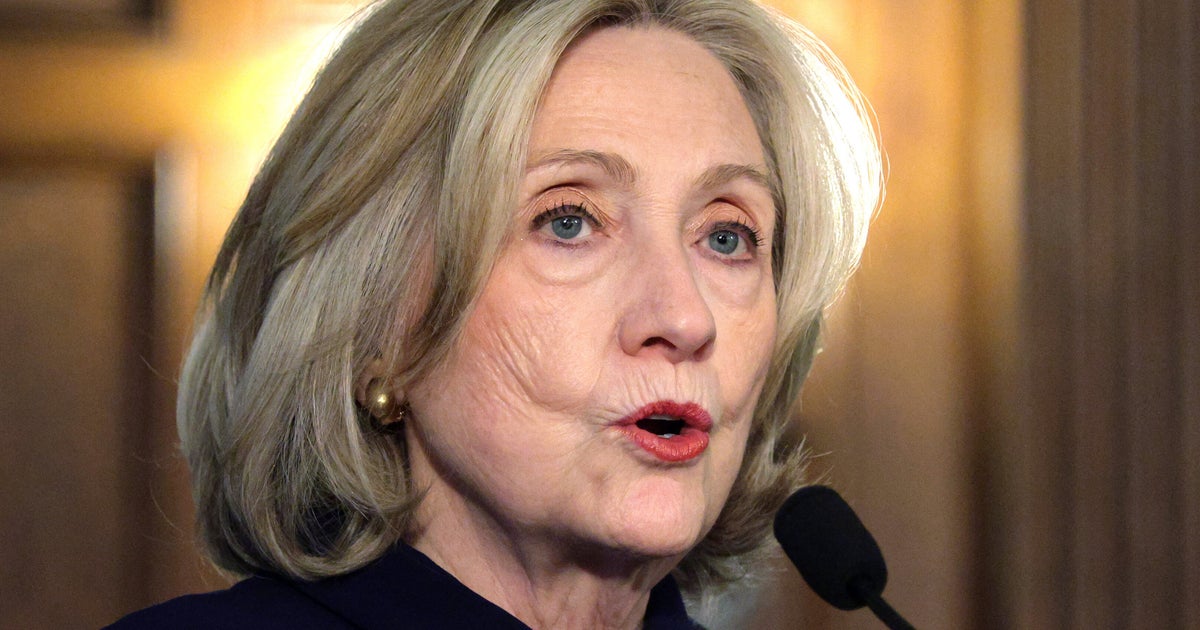
Hillary Clinton expressed deep concern about young Americans’ reliance on social media for news, particularly regarding the Israel-Palestine conflict, during a summit hosted by the right-wing Israeli newspaper Israel Hayom in New York City on Tuesday.
The former U.S. Secretary of State highlighted what she considers a “serious problem” for democracy: over half of young Americans now get their news primarily through social media platforms like TikTok.
“A lot of the challenge is with younger people. More than 50% of young people in America get their news from social media. So just pause on that for a second,” Clinton told the audience.
She specifically criticized the platforms’ content moderation issues, noting that many users are exposed to “short-form videos, some of them totally made up, some of them not at all representing what they claim to be showing, and that’s where they get their information.”
The 2016 presidential candidate’s comments focused particularly on how social media has shaped perceptions of the ongoing conflict between Israel and Hamas following the October 7, 2023 attacks. Clinton expressed dismay at what she perceives as widespread historical ignorance among younger generations regarding the complex geopolitical situation.
“That is where they were learning about what happened on Oct. 7, what happened in the days, weeks and months to follow,” Clinton said, referring to Hamas’ surprise attacks on Israel last year. “It’s a serious problem for democracy, whether it’s Israel or the United States, and it’s a serious problem for our young people.”
Drawing from her experience teaching at Columbia University, Clinton described being “shocked” by her students’ limited knowledge about the historical context of the Israeli-Palestinian conflict.
“When you would try to talk to them to engage in some kind of reasonable discussion, it was very difficult because they did not know history. They had very little context. And what they were being told on social media was not just one-sided, it was pure propaganda,” she explained.
Clinton noted that criticism of Israel has expanded beyond what she termed “the usual suspects,” suggesting that even “a lot of young Jewish Americans” lack understanding of the conflict’s historical dimensions.
Her comments come at a time of shifting American attitudes toward Israel. According to a March study by the Pew Research Institute, 53% of Americans now report an unfavorable opinion of Israel—an 11-percentage-point increase from 2022.
This dramatic shift in public sentiment has occurred against the backdrop of Israel’s military operations in Gaza following the October 7 attacks, which have resulted in a significant civilian death toll and humanitarian crisis in the region.
Media experts have long debated the impact of algorithm-driven content delivery systems on political polarization and information quality. Platforms like TikTok have faced particular scrutiny for their content moderation practices and the potential spread of misinformation during international conflicts.
Clinton’s remarks reflect growing concerns among traditional political figures about the influence of social media on public discourse and foreign policy perspectives, particularly as younger generations increasingly turn away from conventional news sources in favor of content delivered through platforms designed to maximize engagement rather than provide comprehensive context.
As the Israel-Palestine conflict continues to evolve as a divisive issue in American politics, the former Secretary’s comments highlight the broader challenges facing democratic societies in an era where information sources are increasingly fragmented and personalized.
Fact Checker
Verify the accuracy of this article using The Disinformation Commission analysis and real-time sources.

25 Comments
Exploration results look promising, but permitting will be the key risk.
Good point. Watching costs and grades closely.
Silver leverage is strong here; beta cuts both ways though.
Good point. Watching costs and grades closely.
The cost guidance is better than expected. If they deliver, the stock could rerate.
If AISC keeps dropping, this becomes investable for me.
Good point. Watching costs and grades closely.
Good point. Watching costs and grades closely.
Uranium names keep pushing higher—supply still tight into 2026.
If AISC keeps dropping, this becomes investable for me.
Good point. Watching costs and grades closely.
If AISC keeps dropping, this becomes investable for me.
Good point. Watching costs and grades closely.
Good point. Watching costs and grades closely.
Nice to see insider buying—usually a good signal in this space.
Good point. Watching costs and grades closely.
The cost guidance is better than expected. If they deliver, the stock could rerate.
Nice to see insider buying—usually a good signal in this space.
Good point. Watching costs and grades closely.
Good point. Watching costs and grades closely.
Production mix shifting toward News might help margins if metals stay firm.
Exploration results look promising, but permitting will be the key risk.
Good point. Watching costs and grades closely.
Good point. Watching costs and grades closely.
The cost guidance is better than expected. If they deliver, the stock could rerate.