


Listen to the article
In the midst of escalating climate emergencies across Canada, misinformation is emerging as a critical threat to public safety, hampering evacuation efforts and undermining disaster response systems.
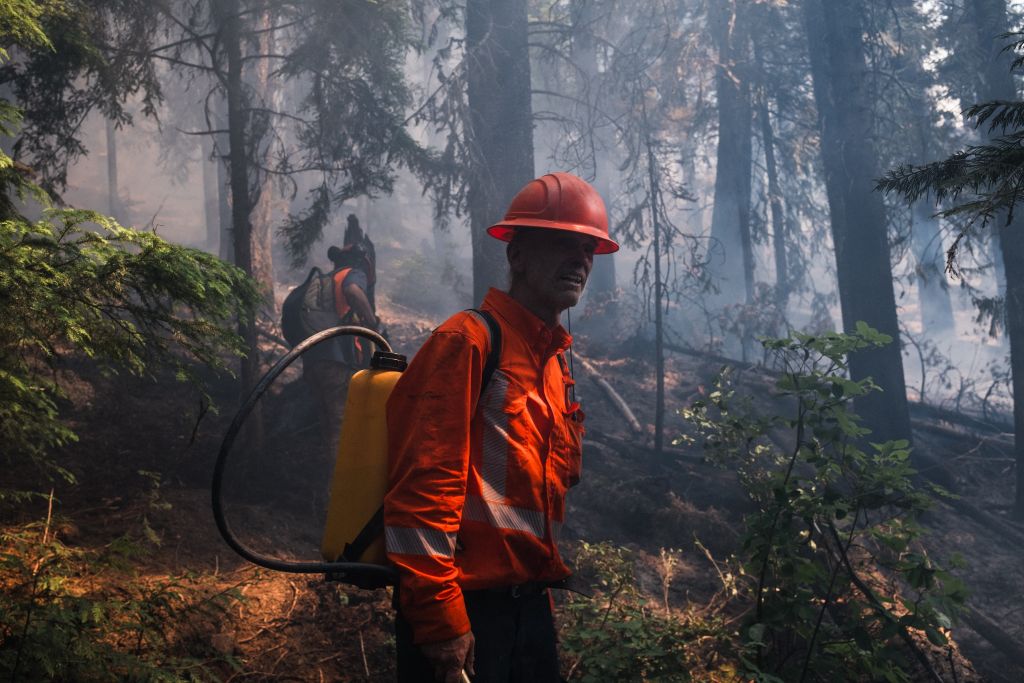
During recent Canadian wildfires, social media platforms became breeding grounds for dangerous conspiracy theories. False claims spread rapidly, alleging that fires were deliberately set, that evacuation orders represented government overreach, or that smoke maps were being manipulated. The consequences proved serious, with numerous residents delaying their evacuations because they couldn’t determine which information sources to trust.
“This wasn’t just online noise,” notes a recent analysis of the situation. When misinformation delays evacuations or fragments compliance with emergency directives, it directly impairs the government’s ability to protect lives and safeguard critical infrastructure.
Emergency management experts are increasingly concerned that what was once merely a communications challenge has evolved into a genuine national security risk. The effectiveness of emergency response systems hinges on public trust – when that trust erodes, response capacity weakens and preventable harm increases.
Canada is witnessing the emergence of a troubling pattern where climate misinformation poses a direct threat to public safety. As wildfires, floods, and droughts become more frequent due to climate change, emergency systems operate on the increasingly fragile assumption that citizens will believe and act upon the information they receive.
Research indicates that public perception during climate emergencies often relies on complex factors beyond official information. A recent study on drought perception revealed that individuals frequently base their understanding on personal experiences, memories, and social cues rather than authoritative sources. This creates predictable vulnerabilities during crisis situations.
Evidence gathered from Canadian emergencies shows how false narratives consistently reduce protective behavior, amplify confusion, and undermine institutional authority when quick action is most needed.
The Canadian government has recognized these challenges and invested billions in physical resilience measures, including enhanced firefighting capacity, flood mitigation, and energy reliability. Canada recently joined the Global Initiative for Information Integrity on Climate Change to investigate false narratives and strengthen response protocols.
Despite these positive steps, Canada continues to treat misinformation as a secondary concern rather than a fundamental component of climate risk management. Responsibility for effective crisis messaging remains fragmented across multiple departments – public safety, environment, emergency management, and digital policy – with no single entity accountable for monitoring or responding to information threats during emergencies.
This fragmentation results in slower response times, weaker coordination, and ultimately greater risk to public safety. Adding to the challenge, government agencies often rely on traditional communication channels like radio, television, and static websites, while climate misinformation spreads primarily through social media platforms optimized for emotional content and rapid sharing.
Research on misinformation dynamics demonstrates how digital platforms systematically amplify sensational claims, with false information often traveling faster and reaching wider audiences than verified updates. Government attempts to correct misinformation during active emergencies typically come too late, when emotions are running high and false narratives have already taken root.
“Trust cannot be built in the middle of a crisis,” one expert observed. “It is long-term public infrastructure that must be maintained through transparency, consistency and modern communication systems before disasters occur.”
As Canada prepares for future climate emergencies, experts are calling for a shift from reactive correction to proactive preparedness. With the next wildfire season only months away, the current window for preparation is critical.
Recommendations include implementing proactive public education about alert systems and evacuation procedures before disasters strike, establishing better institutional coordination between federal and provincial agencies, and developing formal partnerships with trusted community messengers who often have more credibility than government institutions during crises.
While eliminating all misinformation may be impossible, strengthening public trust and information integrity must become core components of climate infrastructure. As Canada faces increasing climate-related emergencies, the nation’s long-term security depends not just on physical systems, but on whether people believe the warnings designed to protect them.
Fact Checker
Verify the accuracy of this article using The Disinformation Commission analysis and real-time sources.

13 Comments
This is a concerning issue that goes beyond just misinformation – it can have serious consequences for public safety and national security. The spread of false claims during emergencies like wildfires is extremely dangerous and undermines the government’s ability to respond effectively. Building public trust in official channels is crucial.
It’s troubling to see how social media has become a breeding ground for harmful conspiracy theories, especially during critical situations. Eroding public trust in emergency response systems is a major threat that needs to be addressed. Fact-checking and promoting reliable information sources should be a top priority.
This is a complex issue that highlights the need for a multifaceted approach to combating misinformation. Strengthening public trust, improving digital communication strategies, and working closely with social media platforms will all be essential to enhancing the resilience of emergency response systems.
The consequences of misinformation during emergencies are truly alarming. Delays in evacuations and fragmented compliance with directives can be devastating. This is a serious national security issue that requires a comprehensive, multi-faceted approach to address.
This highlights the complex challenge of combating misinformation, especially when it can directly impact emergency response efforts. Developing strategies to quickly identify and counter false narratives will be essential to safeguarding public safety and national security during climate-related crises.
Agreed. Governments and emergency management agencies need to stay ahead of the misinformation curve and be proactive in their communications to maintain public trust.
This is a sobering reminder of the real-world impacts that misinformation can have, especially in high-stakes situations. Strengthening public trust in official channels and rapidly countering false narratives will be crucial to enhancing the effectiveness of emergency response systems.
Absolutely. Governments and emergency management authorities need to invest in robust digital communication strategies and work closely with social media platforms to quickly identify and mitigate the spread of harmful misinformation.
The vulnerability of emergency response systems to misinformation is a deeply concerning development. Protecting critical infrastructure and safeguarding lives during climate-related crises requires a coordinated, proactive approach to addressing this challenge.
This is a troubling development that underscores the importance of promoting reliable information and maintaining public trust in emergency response systems. Governments and emergency management agencies must prioritize the development of robust digital communication strategies to counter the spread of misinformation during crises.
The impact of misinformation on emergency response efforts is truly alarming. Eroding public trust in official channels can have dire consequences, as seen with delays in evacuations and fragmented compliance with directives. This is a critical national security issue that requires immediate attention and a comprehensive, coordinated response.
The threat posed by misinformation during emergencies is a serious national security concern that demands urgent attention. Developing effective strategies to rapidly identify and counter false narratives should be a top priority for governments and emergency management authorities.
Agreed. Misinformation can have devastating consequences, and the public’s trust in official sources of information is crucial for effective emergency response. A comprehensive, collaborative approach is necessary to address this challenge.