


Listen to the article
Soviet Misinformation Revealed: Secret Stasi Files Expose Chernobyl Cover-Up
Forty years after the catastrophic explosion at the Chernobyl nuclear power plant, newly declassified Stasi files are shedding light on the Soviet Union’s extensive misinformation campaign that concealed the true scale of the disaster from its own citizens and the world.
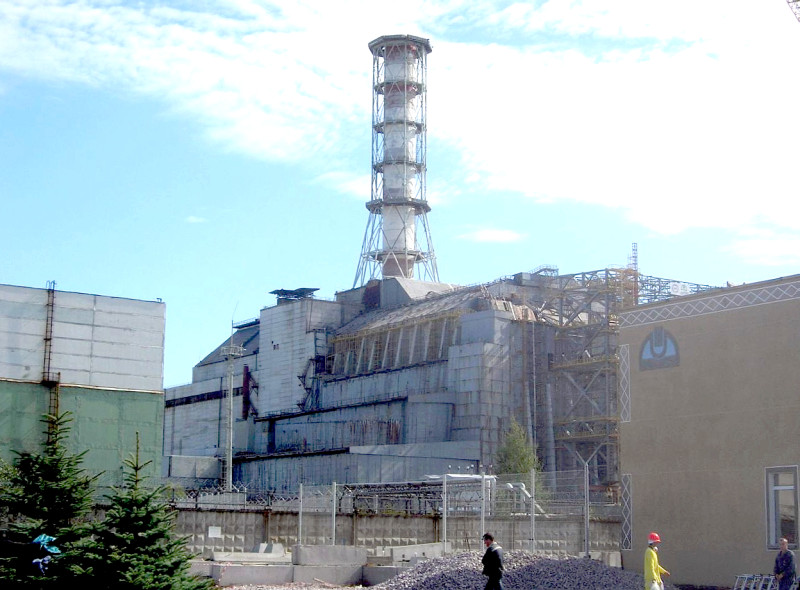
On April 26, 1986, Soviet engineers conducting a routine safety test at the Chernobyl plant triggered what would become history’s worst nuclear accident. A fatal design flaw, compounded by human error, caused reactor 4 to explode during an attempted shutdown. The explosion released radioactive material estimated at hundreds of times greater than the atomic bomb dropped on Hiroshima, with fallout detected across northern and central Europe.
While the scientific causes of the explosion are well documented, the political manipulation of information in its aftermath has been harder to uncover. Many official Soviet records, particularly KGB files, remain inaccessible in Moscow, controlled by Russian government agencies. However, an unexpected archive has provided a window into the Soviet response.
When the Berlin Wall fell and Germany reunified in 1991, the new government passed legislation declassifying certain files from East Germany’s secret police, the Stasi. As a Soviet satellite state rather than a full Soviet republic, East Germany’s records remained intact after the collapse of the communist bloc, providing researchers unprecedented access to intelligence communications between the Stasi and the KGB.
Lauren Cassidy, a German and Russian Studies lecturer who has spent three years researching these files at the former Stasi headquarters in Berlin, found compelling evidence that despite public assurances, both intelligence agencies understood the devastating nature of the explosion.
“Looking at formerly top secret communication between the KGB and Stasi, it is clear that despite publicly insisting everything was under control, both intelligence agencies knew the explosion was absolutely devastating,” Cassidy explains.
The declassified files contain detailed records of hospitalizations, casualties, contaminated livestock, damaged crops and radiation levels. Yet this critical information was restricted to top officials in both countries, who were primarily concerned with reputation management rather than public safety.
Documents saved by a brave government official reveal Soviet leader Mikhail Gorbachev explicitly crafting the narrative during a Politburo meeting: “When we inform the public, we should say that the power plant was being renovated at the time, so it doesn’t reflect badly on our reactor equipment.”
In the same meeting, another senior official, Nikolai Ryzhkov, proposed creating three different press releases: one for Soviet citizens, another for satellite states, and a third for Western nations. This calculated approach to information control was mirrored in East Germany, where Stasi reports to top officials acknowledged radioactive contamination while instructing media to assure the public there was “absolutely no danger.”
The Soviet propaganda strategy wasn’t designed for complete persuasion but rather to create confusion and doubt. By flooding citizens with conflicting information, authorities hoped to exhaust public interest in determining the truth.
Economic concerns quickly became paramount for both governments. As East Germans learned of radioactive fallout across Europe, they began avoiding local produce and dairy products. Children refused milk at schools, and consumers questioned vendors about their growing methods. The resulting drop in domestic consumption created a surplus of potentially contaminated goods.
The Stasi’s solution, revealed in the declassified files, was particularly callous: increase exports of these goods to West Germany. Officials justified this by claiming it would “spread out” consumption of radioactive products so no individual would consume unsafe levels. When West Germany tightened radiation screening at border crossings, lower-ranking Stasi workers were ordered to clean radioactive vehicles themselves, knowingly exposing them to health risks.
The Soviet Union adopted a similar approach but directed contaminated meat products to “the majority of regions” within the Soviet Union, specifically exempting Moscow from receiving these goods.
This cynical handling of the Chernobyl disaster contributed significantly to growing public discontent with communist regimes. While the Stasi was founded in 1950 by idealists who had witnessed Nazi atrocities and believed in building an equitable society, by the 1980s many workers viewed their roles merely as paths to better income and government privileges.
“In East Germany, the disinformation campaign after the nuclear disaster only strengthened the message that the state did not have its people’s best interests in mind,” notes Cassidy. “It was willing to sacrifice their health and well-being in order to maintain a certain image.”
When protesters stormed Stasi headquarters in 1990, months after the Berlin Wall fell, there was little resistance from the disillusioned agents. The regime’s willingness to prioritize image over public safety during the Chernobyl crisis had become a powerful symbol of its moral bankruptcy.
Fact Checker
Verify the accuracy of this article using The Disinformation Commission analysis and real-time sources.

42 Comments
It’s disturbing to see the extent of Soviet misinformation and cover-up surrounding the Chernobyl disaster, as revealed by these newly declassified Stasi files. This highlights the importance of independent verification and public access to information, especially in matters of nuclear safety.
The revelations from the Stasi archives on the Soviet misinformation campaign around Chernobyl are deeply concerning. It underscores the need for transparency and independent verification, especially in high-stakes industries like nuclear power.
These declassified files provide an important counterpoint to the official Soviet narrative. Uncovering the full historical record, even years later, is critical for understanding the past and improving the future.
As we approach the 40th anniversary of Chernobyl, it’s important to reflect on the lessons learned. This new information from the Stasi files is a sobering reminder of the dangers of misinformation and lack of oversight.
I hope these declassified documents encourage further research and analysis to fully understand the Chernobyl disaster and its aftermath. Uncovering the truth is critical.
Forty years after the Chernobyl disaster, these newly revealed Stasi files provide valuable historical context and insight into the Soviet Union’s efforts to conceal the true scale of the incident. It’s a sobering reminder of the consequences of such cover-ups.
This is an important historical discovery. The declassified Stasi files provide a valuable counterpoint to the Soviet propaganda that dominated the narrative around Chernobyl for so long. It’s crucial that we continue to uncover the truth about this disaster.
I agree. Uncovering the truth about Chernobyl is vital, not just for historical accuracy but also to ensure that similar disasters are prevented in the future. These revelations underscore the need for greater transparency and accountability in the nuclear industry.
The Chernobyl disaster was a pivotal moment in history that exposed the dangers of nuclear power and the willingness of authoritarian regimes to prioritize secrecy over public safety. It’s important we continue to learn from this tragedy.
I agree. Transparency and accountability are crucial when it comes to the development and use of nuclear technology. Disasters like Chernobyl demonstrate the need for robust safety measures and public oversight.
The extent of Soviet misinformation around Chernobyl is truly shocking. These Stasi files provide a valuable counterpoint to the official narrative and underscore the importance of independent verification, especially for high-risk industries.
It’s appalling to think how much critical information was suppressed from the public and global community. Transparency and accountability must be priorities in the nuclear sector going forward.
The Chernobyl disaster was a seminal event in nuclear history, and these declassified documents shed new light on the Soviet coverup. It’s worrying to think how much critical information was suppressed at the time.
Transparency and accountability are crucial, especially when it comes to high-risk industries like nuclear power. Hopefully these revelations lead to greater openness going forward.
The revelations from the Stasi archives underscore the critical need for transparency and accountability in the nuclear industry. Chernobyl was a tragedy, and the cover-up that followed only compounds the harm. Hopefully, these new findings will lead to a deeper understanding of what really happened and help prevent similar disasters in the future.
The revelations from the Stasi files on the Soviet misinformation campaign around Chernobyl are deeply troubling. It’s a stark reminder of the importance of transparency and independent verification, especially for high-risk industries.
I’m glad these declassified documents are shedding new light on this pivotal moment in nuclear history. Uncovering the full truth, even years later, is critical for learning and progress.
The declassified Stasi files are a valuable contribution to our understanding of the Chernobyl disaster. While the technical causes are well known, the political manipulation of information is a disturbing revelation. It’s a stark reminder of the importance of independent oversight and fact-based reporting, even in the face of official narratives.
The Chernobyl disaster was a catastrophic event that had far-reaching consequences. These declassified Stasi files provide a unique window into the Soviet Union’s response and the extent of their misinformation campaign. It’s a sobering reminder of the dangers of unchecked power and the importance of independent verification of information.
The declassified Stasi files shed light on the Soviet Union’s extensive misinformation campaign surrounding the Chernobyl disaster. This highlights the need for transparency and accountability when it comes to the development and use of nuclear technology, as well as the importance of independent verification of information.
While the technical causes of the Chernobyl explosion are well known, the political cover-up is a disturbing revelation. It’s a stark reminder of the need for robust, unbiased reporting and fact-checking, even in the face of official narratives.
Fascinating revelations about the Chernobyl disaster cover-up. The declassified Stasi files provide rare insight into the extent of Soviet misinformation at the time. It’s troubling to see how political interests took priority over public safety and transparency.
The Chernobyl disaster was a pivotal moment in history that exposed the dangers of nuclear power and the willingness of authoritarian regimes to prioritize secrecy over public safety. These declassified Stasi files offer a valuable perspective on the Soviet response and the extent of their misinformation campaign.
The declassified Stasi files offer a unique perspective on the Soviet response to Chernobyl. It’s concerning to see the extent of political manipulation and misinformation surrounding such a serious nuclear accident.
You’re right, it’s a stark reminder of the dangers of unchecked power and the importance of independent verification of information, especially when it comes to nuclear safety.
The Chernobyl disaster is a sobering example of the dangers of unchecked nuclear power and the devastating consequences of misinformation. These declassified Stasi files serve as an important reminder of the need for robust safety protocols and public oversight in the energy sector.
Forty years later, the Chernobyl tragedy still casts a long shadow. These newly uncovered details from the Stasi archives highlight the critical importance of independent oversight and fact-finding, especially in the aftermath of major disasters.
You’re absolutely right. Transparency and accountability are essential, especially when it comes to nuclear safety and public health. Hopefully, these revelations will lead to a deeper understanding of what really happened at Chernobyl.
Fascinating how the newly declassified Stasi files shed light on the Soviet Union’s efforts to conceal the true scale of the Chernobyl disaster. It’s troubling to see the extent of misinformation and cover-up surrounding such a catastrophic event.
Fascinating to see how the newly declassified Stasi files shed light on the Soviet Union’s efforts to conceal the true scale of the Chernobyl disaster. It’s a stark reminder of the need for transparency and accountability when it comes to the development and use of nuclear technology.
This is a fascinating and troubling development. The Stasi files provide a rare glimpse into the extent of the Soviet cover-up around Chernobyl. It’s a stark reminder of the importance of independent journalism and fact-checking, even in the face of official denials.
The Chernobyl disaster was a watershed moment that exposed the shortcomings of the Soviet system and the dangers of nuclear power. These declassified Stasi files offer a rare glimpse into the political dynamics and information control that shaped the official response.
Absolutely. Transparency and accountability are essential when it comes to the development and use of nuclear technology. Disasters like Chernobyl demonstrate the need for robust safety measures and public oversight.
Forty years after the Chernobyl disaster, these newly revealed Stasi files offer valuable historical context and insight into the Soviet Union’s efforts to conceal the true scale of the incident. It’s a troubling example of how political manipulation and secrecy can have devastating consequences for public safety.
Forty years on, it’s disturbing to see the depths of the Soviet cover-up around Chernobyl. These declassified Stasi documents highlight the dangers of authoritarian regimes concealing the truth from their own people and the world.
I hope this new information spurs further investigation and analysis to fully understand the Chernobyl disaster and its aftermath. Uncovering the facts is crucial, even decades later.
Fascinating to see the Stasi files reveal the true extent of Soviet misinformation around Chernobyl. It’s a stark reminder of how authoritarian regimes can conceal the truth from their own people and the world.
The Stasi archives provide a valuable counterpoint to the official Soviet narrative. It’s important to uncover the full historical record, even decades later.
Fascinating to see how the Stasi archives provide a counterpoint to the official Soviet narrative on Chernobyl. It’s appalling to think of the scale of misinformation and cover-up that took place. Transparency is vital for public trust.
These revelations underscore the dangers of authoritarian regimes concealing critical information from their own citizens and the international community. Accountability and oversight must be priorities in the nuclear sector.
The declassified Stasi files offer a sobering glimpse into the Soviet’s extensive efforts to conceal the true scale of the Chernobyl disaster. It’s a stark reminder of the perils of misinformation and lack of oversight in high-risk industries.
I hope these new insights spur further research and analysis to fully uncover the historical record around Chernobyl. Uncovering the truth, even decades later, is crucial for learning from the past.