


Listen to the article
Holy Week Tensions in Jerusalem: Security Measures Spark Misinformation
As Christians worldwide observed Holy Week earlier this month, a security decision in Jerusalem’s Old City ignited a wave of controversy and misinformation that spread rapidly across social media. What began as a temporary restriction during a missile threat evolved into claims of religious persecution against Christians, highlighting the complex dynamics at play in one of the world’s most sensitive religious sites.
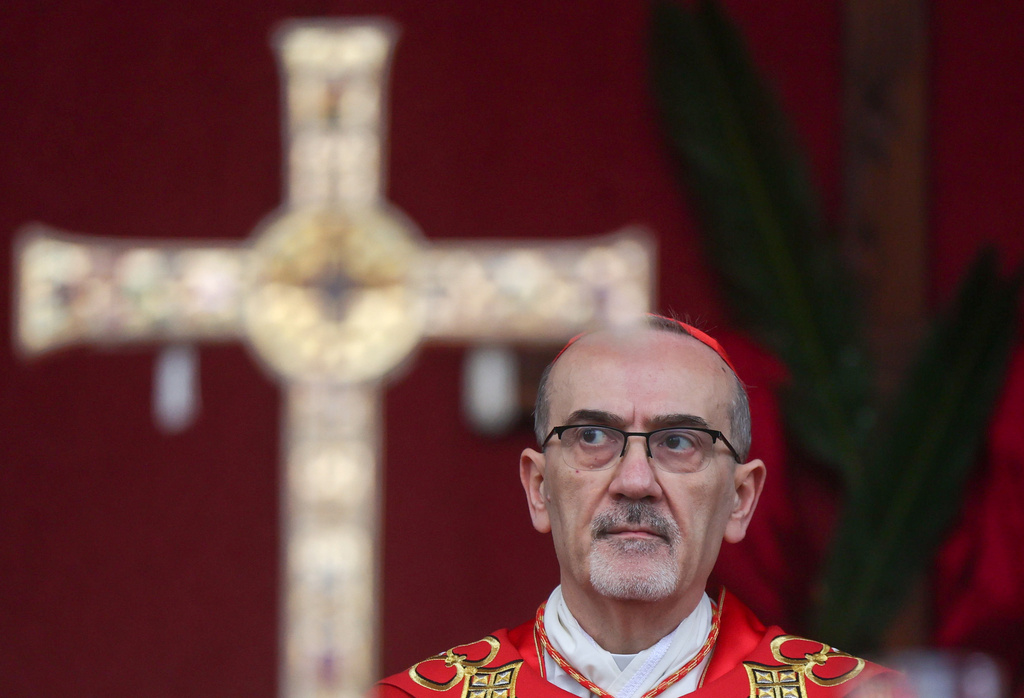
Normally bustling with pilgrims from across the globe, Jerusalem’s Old City was notably quieter this year due to the ongoing war. Into this tense atmosphere came a security incident that would quickly capture international attention: Israeli authorities temporarily denied Catholic Cardinal Pierbattista Pizzaballa entry to the Church of the Holy Sepulchre on Palm Sunday.
Israeli officials explained the decision was driven by immediate security concerns related to missile threats from Iran. David Pileggi, rector at Christ Church in the Old City, told CBN News, “Once an Israeli interceptor would strike a missile, then over perhaps a six to ten-minute period, you would have pieces of shrapnel falling.”
Dean Elsdunne, international spokesperson for the Israel Police, clarified that “Home Front Command directives called for the temporary closure of holy sites here in the Old City of Jerusalem, including the Western Wall and the Temple Mount.”
Within hours of the cardinal being denied access, images spread across social media platforms, accompanied by claims that Israel was banning and persecuting Christians. However, Judeo-Christian Zionist Congress President Calev Myers characterized the situation differently.
“It’s an old adage of making a mountain out of a molehill,” Myers said. He explained that the Church of the Holy Sepulchre lacks a proper bomb shelter meeting security specifications, which meant only the thirty priests residing there were permitted on the premises during the security alert.
Myers further noted that “Father Pizzaballa understood those rules. But instead of getting the proper permission from the Israeli Police in advance, he just went there.”
Israeli leaders quickly reversed the decision within a day, though the social media outrage continued unabated. Online advocate Hillel Fuld described the rapid spread of misinformation: “This was total fake news that spreads like wildfire. Someone makes something up out of thin air…like Israel discriminating against Christians, which is obviously not the case at all.”
Myers suggested deeper forces may be at work behind the quick acceptance of anti-Israel narratives. “There’s a lot of propaganda right now that’s being amplified by bot farms out in Russia, which are funded by Qatar and China, and these countries that want to undermine the Judeo-Christian foundations of Western Civilization.”
He contrasts the online claims with the reality on the ground: “Israel is the only country in the Middle East where Christian communities have actually been growing, and the Christian population has been growing over the last century.”
This perspective was reinforced when Christian leaders recently met with Israeli President Isaac Herzog. During this gathering, Melkite Archbishop Joseph Matta shared that his Galilee-based church continues to grow despite the conflict. “My church is the largest church here in Israel, and I have lots of parishes,” Matta stated. “We are gathering, yes, but we are growing, with some difficulties, even because of the situation, because of the war.”
Analysts believe misinformation about Israel’s treatment of Christians is fueling anti-Israel and anti-Semitic rhetoric worldwide, particularly among younger generations. Myers observed, “For the first time in history, you have very bad state actors who have direct access to the hearts and minds of a whole generation.”
Recent research from Pew reinforces these concerns, showing that 60 percent of Americans now view Israel unfavorably, with half of that number holding a “very unfavorable” opinion. Analysis suggests online narratives are contributing to rising tensions and fueling real-world hostility.
Christ Church rector Pileggi offers a nuanced assessment of the situation for Christians in Israel: “Persecution? No. Harassment from extremist groups? Yes. Bureaucratic insensitivity? Yes. Ignorance? Sometimes, in the hands of the police. Yes, all of these things exist in Israel, and Israel can do better, but at the same time, we are free in a way that other countries in this region are not.”
Questions about truth and perception continue to shape how events in Jerusalem are viewed globally. Yet amid the controversy, many local Christians find hope in the very reason Holy Week is celebrated, seeking to move beyond political divisions and focus on their spiritual mission in a troubled region.
Fact Checker
Verify the accuracy of this article using The Disinformation Commission analysis and real-time sources.

10 Comments
The ongoing conflict in the region adds an extra layer of complexity to managing security and religious access in Jerusalem. While temporary restrictions may have been warranted, it’s important that the authorities communicate clearly to avoid fueling misinformation and controversies.
Misinformation can quickly spread and escalate tensions, especially around sensitive religious events. I hope the authorities and media outlets work to provide accurate, fact-based information to the public to maintain transparency and trust.
Navigating security concerns and religious freedoms in Jerusalem is an immense challenge, especially during major holidays. I’m interested to learn more about the specific threat assessment and decision-making process that led to the temporary restriction on Cardinal Pizzaballa’s access.
Missile threats and shrapnel dangers are serious concerns that would necessitate prudent security measures. However, it’s crucial that the authorities strive to accommodate religious pilgrims as much as possible during Holy Week in Jerusalem.
Interesting developments in Jerusalem during Holy Week. Maintaining security in such a sensitive area must be a delicate balance. I’m curious to learn more about the specific circumstances and context around the security measures that led to the controversy.
It’s understandable that any perceived restrictions on religious access would spark concerns, even if driven by legitimate security reasons. Transparency and clear communication from authorities will be key to addressing misinformation and tensions.
Maintaining security while respecting religious freedoms is a constant challenge in Jerusalem. I’m curious to learn more about the specific threat assessment and decision-making process that led to the temporary restriction on Cardinal Pizzaballa’s access.
Shrapnel from missile interceptions is a real and dangerous threat that would necessitate prudent security precautions. However, the authorities must strive to balance these needs with ensuring religious pilgrims can freely access holy sites during Holy Week.
The security dynamics in Jerusalem are always complex, especially during major religious events. While temporary restrictions may have been necessary, I hope the authorities can find ways to accommodate pilgrims and worshippers as much as possible during Holy Week.
Misinformation and rumors can easily inflame tensions in such a delicate situation. Careful fact-checking and objective reporting will be important to provide accurate context around the security measures and their justification.