


Listen to the article
In a striking case that underscores the vulnerabilities of professional networking platforms, a Pune-based man has been exposed for falsely claiming to be the CEO of Anysphere, the rapidly growing San Francisco AI company valued at $29 billion for its coding assistant Cursor.
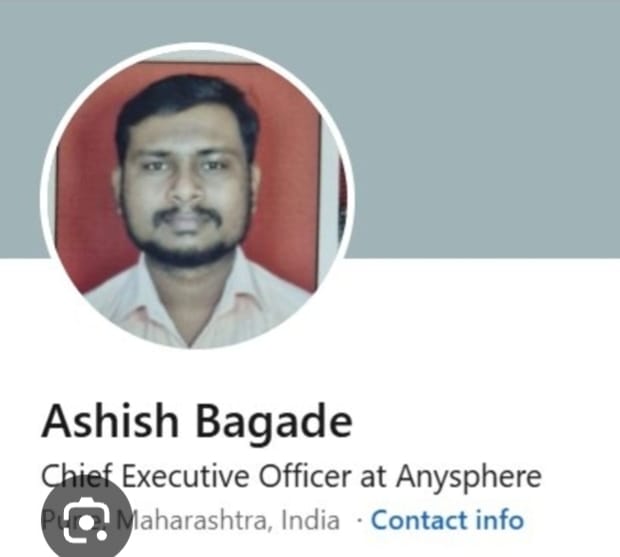
The individual, identified as Ashish Bagade, had been portraying himself on LinkedIn as either “Co-CEO” or “CEO” of Anysphere despite having no legitimate connection to the company. The fabrication remained unchallenged until venture capitalist Zach DeWitt spotted the discrepancy and brought it to public attention through a post on X (formerly Twitter), complete with screenshots of Bagade’s misleading profile.
Anysphere, founded in 2022 by Michael Truell and fellow MIT graduates, has emerged as a significant player in the artificial intelligence sector. Truell serves as the company’s actual and only chief executive, a fact that stands in stark contrast to Bagade’s claims.
What makes this case particularly concerning is how the misinformation transcended LinkedIn’s platform, which notably does not verify job titles or company affiliations. The false claim also appeared in PitchBook, a financial data platform widely regarded as authoritative in investment circles. This unexpected infiltration of misinformation into a trusted database raised serious questions about verification protocols and data integrity in financial intelligence platforms.
“This incident demonstrates how easily false information can penetrate even supposedly reliable sources,” said a digital identity expert who requested anonymity. “When respected databases like PitchBook incorporate unverified claims, it creates a legitimizing effect that can be exploited.”
The case quickly gained traction online, igniting discussions around professional ethics in digital spaces. Many industry observers characterized Bagade’s actions as deliberate misrepresentation, designed to manufacture credibility and potentially open doors that would otherwise remain closed.
This incident occurs amid growing concerns about resume fraud and credential inflation in professional settings. According to recent studies, approximately 40 percent of job applicants misrepresent their skills or experience to some degree. However, falsely claiming a C-suite position at a high-profile company represents a particularly bold form of misrepresentation.
The tech industry, with its rapid growth and often opaque organizational structures, has proven especially vulnerable to such impersonations. Several similar cases have emerged in recent years, with individuals falsely claiming executive positions at prominent startups to gain access to networking opportunities, investment circles, or simply boost their professional profile.
“The digital age has made it easier than ever to create and maintain false personas,” noted a cybersecurity researcher specializing in digital identity. “Professional networking sites operate largely on an honor system, creating spaces where claims can go unchallenged for extended periods.”
For investors and industry professionals, the incident serves as a sobering reminder of the importance of due diligence. Experts recommend directly verifying executive claims through official company websites, press releases, or direct communication with company representatives before engaging in significant business or investment discussions.
LinkedIn has faced increasing pressure to implement stronger verification measures for professional claims, especially for executive positions. While the platform offers verification for personal identities, it has not yet deployed comprehensive systems for validating professional roles or company affiliations.
As for Anysphere, the company continues its impressive trajectory in the AI sector, with its Cursor coding assistant drawing significant attention and investment. The startup’s genuine leadership team has not publicly commented on the impersonation incident.
The case ultimately highlights a growing tension between the open nature of professional networking platforms and the need for reliable information in business environments, especially as digital presence increasingly influences real-world opportunities and relationships.
Fact Checker
Verify the accuracy of this article using The Disinformation Commission analysis and real-time sources.

14 Comments
The ability of this individual to falsely claim a CEO role at a prominent AI company is quite alarming. It underscores the vulnerabilities of online platforms and the need for stronger safeguards against misrepresentation.
Absolutely. Platforms like LinkedIn must do more to validate user profiles and prevent bad actors from spreading misinformation about their professional status and affiliations.
This is a concerning case of digital misinformation. It’s troubling how easily someone can misrepresent their professional affiliations online, even on platforms like LinkedIn. Proper verification of job titles and company connections is clearly needed to combat these types of impostor issues.
I agree. More robust identity and credential verification is essential to maintain trust and credibility on professional networking sites.
The ability of this individual to falsely claim a leadership role at a major AI company is quite concerning. It speaks to the broader challenge of verifying online identities and credentials, which must be addressed to ensure the reliability of professional networking sites.
Well said. This incident highlights the need for more robust identity verification mechanisms to prevent such impersonation attempts and protect the authenticity of professional profiles.
While it’s good that this particular impersonation case was exposed, it raises broader questions about the prevalence of such deception on professional networking sites. Stronger verification processes are needed to ensure the authenticity of user profiles and prevent the spread of misinformation.
I agree. Maintaining the credibility and trustworthiness of professional networking platforms should be a top priority for these companies. More robust identity validation mechanisms are essential to address this issue.
This case is a stark reminder of the vulnerabilities of professional networking platforms when it comes to the spread of misinformation. It’s critical that these platforms implement stronger safeguards to verify user profiles and prevent such deception.
Absolutely. The integrity of these platforms is essential for maintaining trust and credibility in the digital professional landscape. More proactive measures are clearly needed to address this growing challenge.
While it’s good that this particular case was eventually exposed, it raises broader questions about the prevalence of such deception on professional networking sites. More proactive measures are needed to ensure the integrity of these platforms.
Agreed. This incident highlights the systemic challenge of digital misinformation and the need for stronger verification processes to protect the authenticity of online professional profiles.
This case underscores the importance of scrutinizing online profiles and claims, especially for high-profile positions. Individuals and companies must be vigilant in monitoring for potential impersonation or misrepresentation.
Absolutely. Maintaining the integrity of professional networking platforms is critical for fostering trust and credibility in the digital world.