


Listen to the article
CDC’s Shift on Vaccines and Autism Creates Confusion, Public Health Experts Warn
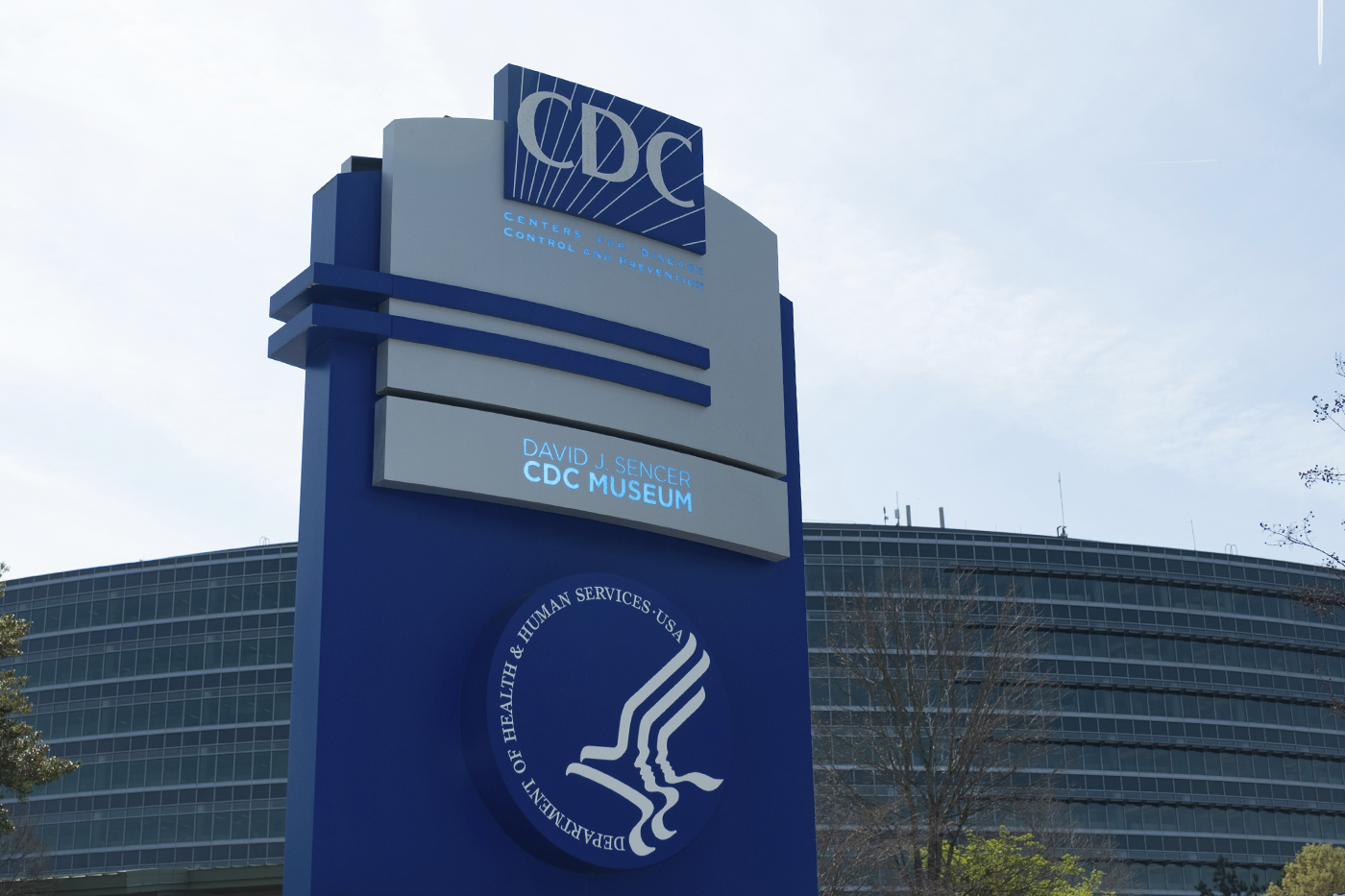
A recent change in messaging by the Centers for Disease Control and Prevention regarding a potential connection between vaccines and autism is causing widespread concern among public health professionals. The CDC has retreated from its long-held position that vaccines do not cause autism, now stating this claim is not evidence-based “because studies have not ruled out the possibility that infant vaccines cause autism.”
Public health experts at Northeastern University warn this shift could have far-reaching consequences, potentially leading to vaccine refusal, undermining the vaccine delivery system, and deepening public distrust in government health agencies.
“It’s going to have a big impact,” said Neil Maniar, director of Northeastern’s master of public health program. “When the CDC puts out information like this, it has a wide-ranging impact.”
The modification to the CDC’s Vaccine Safety website includes bullet points claiming that studies proving a link have been ignored by health authorities, and that the Department of Health and Human Services is “conducting a comprehensive assessment of the causes of autism.”
Maniar forcefully disputed this new messaging: “That is a blatantly false statement.” He emphasized that large-scale, international studies have repeatedly demonstrated that “vaccines are safe, they are effective and they do not increase the risk of autism.”
Ashleigh Shields, a Northeastern assistant teaching professor of public health and health sciences, expressed concern about the impact on parents making vaccination decisions. “Some parents will be asking, ‘Do I vaccinate my child or not?'” she said. “It increases anxiety.”
The timing of this change coincides with significant shifts at the Department of Health and Human Services under Secretary Robert F. Kennedy Jr., a longtime vaccine skeptic. Kennedy recently fired all 17 members of the Advisory Committee on Immunization Practices (ACIP), which advises the CDC on vaccine recommendations, replacing some positions with fellow skeptics.
Elizabeth Glowacki, an associate teaching professor in public health at Northeastern, points to particularly troubling inconsistencies in the CDC’s messaging. The vaccines and autism page contains new bullet points questioning vaccine safety, followed by a section that maintains the previous CDC stance that “vaccines do not cause autism,” albeit with an asterisk.
“The mixed messaging is a springboard for confusion,” Glowacki said. “People have a tough time with inconsistency. All of us do.” She warned this inconsistency could particularly influence people who are uncertain about getting vaccinated.
This shift comes at a time when childhood immunizations are already under pressure in several states. Florida no longer requires them for school admission, while Texas and other states are experiencing measles outbreaks amid declining vaccination rates.
The confusion is compounded by the lack of a clear cause for autism, which leaves parents searching for answers. Jean Bowden of Mashpee, Massachusetts, mother of a 38-year-old daughter with autism, highlighted the torment parents face from this uncertainty. Over the years, she has considered various explanations offered by experts, including increased recognition of autism, genetic components, and potential links to viruses and medications.
Bowden noted a growing divide between parents of high-functioning children with autism and those with severely impacted children like her own daughter, who requires 24-hour care. She acknowledged that Kennedy’s messaging has resonated with families whose children are non-verbal and sometimes violent. “It breaks up marriages. It causes bankruptcies,” she said of autism’s impact, regardless of its cause.
The CDC has cited that nearly one in two surveyed parents believe vaccines played a role in their children’s autism and called for “gold standard” science to investigate autism’s causes. However, Maniar emphasized that science has already ruled out vaccines as a cause of autism.
Public health experts worry about the long-term consequences of this messaging shift. Maniar fears the infrastructure to deliver vaccines will weaken, potentially affecting children already at risk of health disparities.
“We know trust is really hard to build and really easy to break,” Maniar concluded. “It could be decades before we rebuild it in certain communities.”
Fact Checker
Verify the accuracy of this article using The Disinformation Commission analysis and real-time sources.

7 Comments
I’m concerned that this change in CDC position, even if well-intentioned, could fuel misinformation and erode public confidence in vaccines. Robust scientific evidence should guide the CDC’s messaging on this sensitive topic.
This is concerning news. I hope the CDC provides clearer, evidence-based guidance to avoid confusion and maintain public trust in vaccines. Reliable information from health authorities is crucial during times like these.
This shift in CDC messaging is worrying. Vaccines are critical public health tools, and any doubts sowed could have dire consequences. I hope the CDC clarifies their stance and provides clear, evidence-based guidance moving forward.
Absolutely. Public trust in health authorities must be maintained, especially on issues as important as childhood vaccinations. The CDC needs to tread very carefully and reinforce the scientific consensus on vaccine safety.
I’m curious to see the details of the CDC’s “comprehensive assessment” on the potential link between vaccines and autism. Reliable, fact-based information from health experts is essential here. This is a complex issue that requires nuanced discussion.
Changing messaging on such a sensitive topic could have serious consequences. The CDC should be extremely careful and transparent when updating their stance on vaccines and autism. Public health should be the top priority.
Agreed. Undermining confidence in vaccines could lead to lower vaccination rates and increased disease outbreaks. The CDC must handle this issue with great caution and provide sound scientific evidence to support any changes in their position.