


Listen to the article
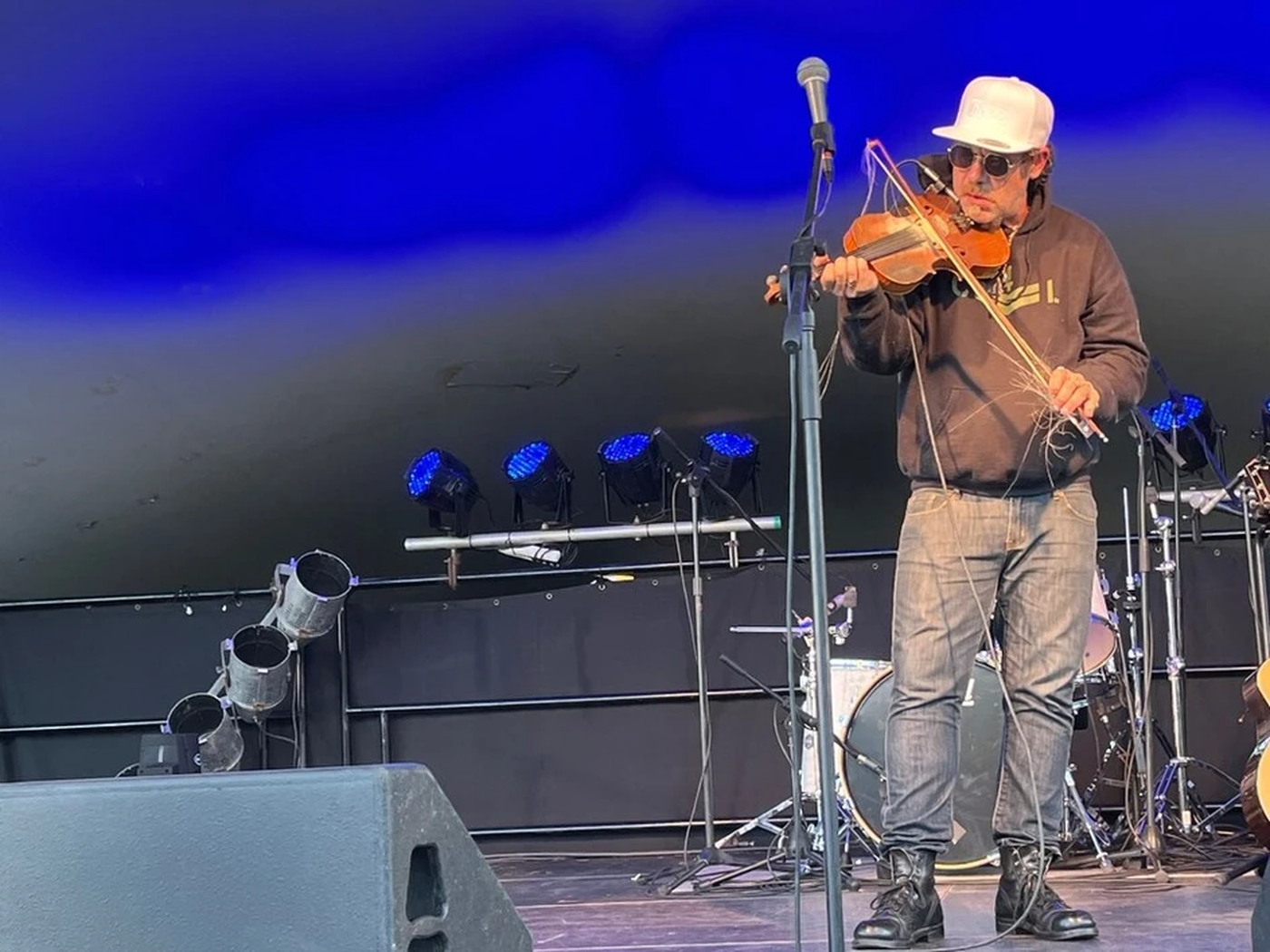
Acclaimed Cape Breton fiddler Ashley MacIsaac is fighting back against AI-generated misinformation that falsely labeled him as a convicted sex offender, causing the cancellation of a December concert at Nova Scotia’s Sipekne’katik First Nation.
The 50-year-old internationally recognized musician had volunteered to headline a December 19 performance when band council organizers discovered what appeared to be serious criminal convictions in an online search. The information, which MacIsaac says was fabricated by artificial intelligence, actually pertained to someone with a similar name from Newfoundland.
“If a lawyer wants to take this on (for free) … I would stand up because I’m not the first and I’m sure I won’t be the last,” MacIsaac told media outlets, indicating his desire to pursue legal action against the spread of false information.
The incident highlights growing concerns about the reliability of AI-generated content and its potential to damage reputations. After discovering the error, Sipekne’katik First Nation quickly issued a public apology to the musician.
“Decisions were based on incorrect information generated through an AI-assisted search, which mistakenly associated you with offenses unrelated to you. We deeply regret the harm this caused to your reputation and livelihood,” the First Nation stated in their public apology.
MacIsaac has expressed gratitude for the apology and confirmed plans to reschedule a performance for the community “when the timing is right.”
The Cape Breton native has built a storied career spanning four decades. Known as a fiddle prodigy from childhood, MacIsaac first gained attention winning both youth and adult competitions at the Sackville Fiddling Contest in Lower Sackville. He is related to another famed Cape Breton fiddler, Natalie McMaster, and early in his career performed with the talented Tara Touesnard, who died tragically in a 1994 car accident at age 21.
MacIsaac’s breakthrough came at age 20 with his double-platinum debut album “Hi How Are You Today?” which catapulted him to international recognition. His innovative approach to traditional Celtic music, combined with his energetic performances, earned him the nickname “L’enfant terrible of the fiddle.”
Throughout his career, MacIsaac has been known for his outspoken nature on social issues, his candor about personal struggles with addiction, and sometimes controversial stage performances. Despite occasional controversies, his musical talent has remained undisputed, allowing him to maintain a devoted following.
This incident is particularly unfortunate given MacIsaac’s longstanding support for Indigenous communities. The cancelled December concert was intended to support the Sipekne’katik First Nation’s ongoing efforts to protect their federally recognized constitutional rights and self-governance.
“Chief and Council value your artistry, contributions to the cultural life of the Maritimes, and your commitment to reconciliation. We hope to move forward together positively,” the First Nation added in their statement.
Following the cancellation, MacIsaac performed at the Marigold Centre in Truro on December 21 before returning to spend Christmas at his home in Windsor, Ontario.
The case underscores the growing challenges of managing online reputations in the age of artificial intelligence. As AI tools become more sophisticated at generating content, the risk of false information spreading grows, potentially affecting both individuals and organizations. For public figures like MacIsaac, whose livelihoods depend on their reputations, the stakes are particularly high.
While MacIsaac continues to seek legal representation to address this instance of AI misinformation, the incident serves as a cautionary tale about the importance of verifying information found through internet searches, particularly when serious allegations are involved.
Fact Checker
Verify the accuracy of this article using The Disinformation Commission analysis and real-time sources.

11 Comments
I hope Ashley MacIsaac is able to reschedule the concert and clear his name. No one should have their career and reputation damaged by fabricated information, regardless of the source.
This situation highlights the importance of human oversight and verification when it comes to AI-generated content. Automated systems can make mistakes with serious consequences.
The silver lining here is that the First Nation recognized the mistake and took responsibility. Handling the situation with transparency and accountability is important for rebuilding trust.
It’s good that the First Nation quickly apologized once they realized the mistake. Hopefully Ashley MacIsaac is able to pursue legal action against the spread of this false information, to prevent similar issues in the future.
This highlights the importance of verifying information, especially when it comes from AI sources. We need to be cautious about blindly trusting AI-generated content, as the potential for harm is clearly demonstrated here.
This is a cautionary tale about the risks of relying too heavily on AI-generated information. We need to be vigilant and cross-check sources, especially when it comes to sensitive personal details.
I’m glad the First Nation apologized and recognized the error. Transparency and accountability are essential when dealing with AI-related issues that impact individuals’ lives.
As AI technology continues to advance, we’ll likely see more cases like this. It’s crucial that there are safeguards in place to prevent the spread of misinformation and protect individuals’ reputations.
This is a concerning situation. AI-generated misinformation can have real consequences, as seen here with the canceled concert. Musicians and public figures need to be vigilant about protecting their reputations online.
I hope Ashley MacIsaac is able to find legal representation to pursue this case. Holding the perpetrators accountable is crucial to deter similar incidents in the future.
It’s disheartening to see a respected musician like Ashley MacIsaac have his career disrupted by false information. This underscores the need for greater regulation and oversight of AI systems.