


Listen to the article
California’s health authorities have taken a firm stance against what they describe as “dangerous misinformation” on vaccines being disseminated under the Trump administration, calling on parents to continue immunizing their children despite contradictory federal guidance.
The West Coast Health Alliance, comprising California, Oregon, Washington, and Hawaii, issued a statement Tuesday expressing “deep concern” over the anti-science approach that has emerged at the Centers for Disease Control and Prevention under Health Secretary Robert F. Kennedy Jr., a known vaccine skeptic.
“Rigorous research of millions of people in multiple countries over decades provides high-quality evidence that vaccines are not linked to autism,” the alliance stated. “Autism is a complex neurodevelopmental condition with multiple contributing genetic and environmental factors. Suggesting it stems from any single cause, such as vaccination, misleads families who deserve accurate guidance.”
This intervention follows a controversial revision to the CDC’s website that significantly undermines its previous evidence-based position. The new language on the federal health agency’s site claims authorities have “ignored” research supporting a link between vaccines and autism and announces that the US health department “has launched a comprehensive assessment of the causes of autism.”
The purported connection between the measles, mumps, and rubella vaccine and autism originated from a discredited 1998 study that was later retracted for containing falsified data. Despite the study’s withdrawal and extensive subsequent research refuting its claims, this debunked theory continues to circulate among vaccine-hesitant communities.
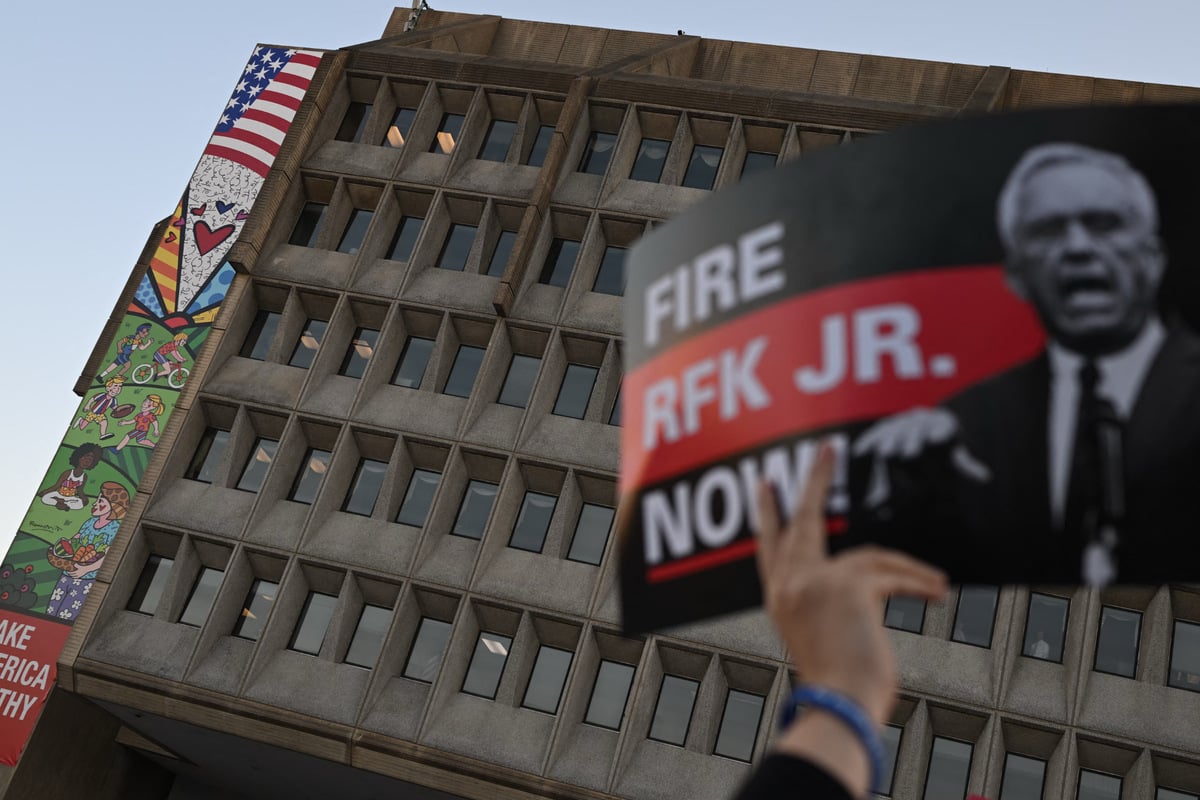
Kennedy, who leads the “Make America Healthy Again” movement—a significant component of President Donald Trump’s Make America Great Again coalition—has a documented history of promoting scientifically questionable claims about vaccines and public health.
The CDC’s recent website modifications have provoked substantial backlash from career scientists and public health experts who have devoted years to combating health misinformation. Many fear these changes could reverse decades of progress in disease prevention by undermining public confidence in established vaccination programs.
Formed in September, the West Coast Health Alliance represents a coordinated effort by Democratic-led states to counter what they perceive as a dangerous shift toward conspiracy theories at the highest levels of federal government. The coalition aims to “safeguard scientific expertise” and ensure that public health policy remains grounded in evidence-based approaches rather than political ideology.
“Through this partnership, the four states will coordinate health guidelines by aligning immunization recommendations informed by respected national medical organizations, allowing all people in the United States to receive consistent, science-based recommendations they can rely on – regardless of shifting federal actions,” the alliance explained.
The conflict highlights a growing divide between state and federal health authorities on fundamental public health issues. Public health experts warn that contradictory guidance could lead to declining vaccination rates and potentially trigger outbreaks of previously well-controlled diseases like measles, which saw a resurgence in areas with low immunization coverage in recent years.
Medical organizations, including the American Academy of Pediatrics and the American Medical Association, continue to emphasize that vaccines are among the most thoroughly studied medical interventions and maintain an excellent safety record. These organizations stress that the benefits of vaccination substantially outweigh the risks for virtually all children.
As this policy divergence unfolds, healthcare providers in alliance states are being advised to follow state-level guidance while the coalition works to develop comprehensive resources for both medical professionals and concerned parents navigating contradictory information.
Fact Checker
Verify the accuracy of this article using The Disinformation Commission analysis and real-time sources.

17 Comments
While I understand the desire to be cautious about vaccines, the scientific consensus is clear: they are safe and effective. I hope this new guidance from California helps to reassure parents and restore faith in critical immunization programs.
Vaccine hesitancy is a serious concern, and I appreciate California’s efforts to address it head-on. Misinformation about vaccine safety can have devastating public health consequences, so I’m glad to see state authorities taking proactive steps to counter it.
Absolutely. Reliable, science-based guidance from public health officials is essential to combat the spread of dangerous myths around vaccines. Kudos to California for prioritizing the wellbeing of its residents.
It’s concerning to see the CDC undermining its own evidence-based position on vaccines. I’m glad California is stepping up to provide families with accurate, trustworthy information during this challenging time. Maintaining public health standards is crucial.
You’re right, it’s deeply troubling to see federal health agencies spreading misinformation. California’s intervention is a responsible move to protect its residents and uphold scientific integrity. Hopefully this will inspire other states to follow suit.
This is a complex and sensitive issue, but I believe California’s new guidance is a responsible move to uphold public health standards. Maintaining trust in immunization programs is critical, especially given the rise of misinformation. I hope this initiative helps to reassure families.
I agree. Providing clear, evidence-based information is key to empowering parents to make informed decisions about their children’s health. California’s intervention is a positive step towards combating dangerous myths and restoring confidence in vaccines.
Vaccines are one of our most powerful public health tools, so it’s alarming to see the CDC undermining established science. I’m glad California is stepping up to reaffirm the safety and importance of immunization programs. Maintaining trust in these critical interventions is vital.
Absolutely. Vaccine hesitancy can have devastating consequences, so California’s proactive approach to combating misinformation is commendable. Families deserve access to reliable, evidence-based information to make the best choices for their health.
While I understand the desire to be cautious about new medical interventions, the scientific consensus on vaccine safety and efficacy is clear. I’m glad California is taking a firm stance to ensure families receive accurate, trustworthy guidance during this challenging time.
This is a complex issue, but I believe California’s new guidance is a necessary and responsible step. Maintaining public trust in vaccines is critical, and it’s concerning to see the CDC undermining its own evidence-based position. I hope this initiative helps to counter the spread of dangerous myths.
Vaccine hesitancy is a growing problem, and I applaud California’s efforts to address it head-on. Ensuring access to reliable, fact-based information is crucial for maintaining public health and safety. I hope this initiative inspires other states to follow suit.
Absolutely. Combating misinformation around vaccines is essential, especially given the CDC’s troubling shift in its stance. California’s proactive approach is a responsible move to protect its residents and uphold scientific integrity. I hope this sets a positive example for other regions.
As a concerned citizen, I’m glad to see California taking decisive action to combat vaccine misinformation. Rigorous scientific research has repeatedly demonstrated the safety and importance of immunization programs. I hope this guidance helps to counter the spread of dangerous myths.
This is an important issue. I’m glad California is taking a firm stance to combat misinformation and provide families with accurate, evidence-based guidance on vaccines and autism. It’s crucial that public health policies are grounded in rigorous scientific research, not unsubstantiated claims.
I agree. Maintaining public trust in vaccines is critical, especially given the rise of misinformation. Providing clear, fact-based information is key to keeping communities safe and healthy.
As a parent, I appreciate California’s commitment to combating vaccine misinformation. Ensuring access to reliable, fact-based guidance is essential for making informed decisions about my family’s health. I hope this initiative sets a positive example for other regions.