


Listen to the article
Medical Experts Tackle Healthcare Misinformation in Candid Discussion
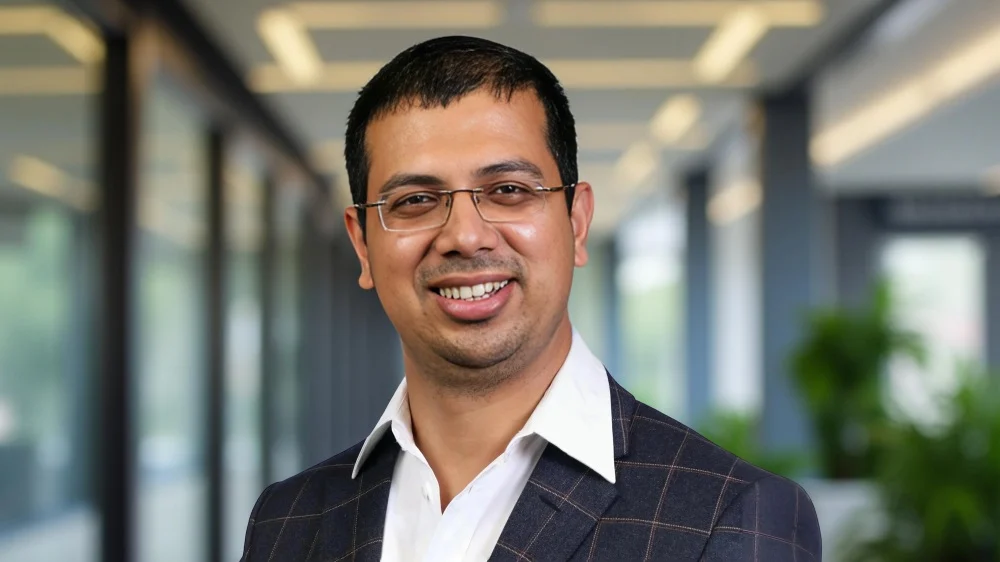
Queens University Associate Professor Bishal Gyawali recently shared insights from his conversation with Professor Christopher Jackson, focusing on ethical challenges in modern medicine and strategies to combat the growing problem of medical misinformation.
The discussion, which Gyawali highlighted on his professional LinkedIn network, explores the complex landscape of what constitutes appropriate medical practice in an era where information—and misinformation—spreads rapidly through digital channels.
“Just a snippet of my conversation with Prof. Christopher Jackson about what is right and what is wrong in medicine, and combating misinformation,” noted Gyawali in his post, which has garnered attention from healthcare professionals across the platform.
The timing of this conversation proves particularly relevant as healthcare systems worldwide continue to grapple with the aftermath of pandemic-era misinformation and the ongoing challenge of ensuring patients receive evidence-based care. Medical misinformation has become increasingly problematic in recent years, with social media platforms often amplifying unverified claims about treatments and health outcomes.
Gyawali, whose work at Queen’s University has established him as a respected voice in oncology and medical ethics, has previously addressed issues surrounding clinical trial design, cost-effectiveness in cancer treatments, and accessibility of care in both high and low-resource settings. His perspective brings particular weight to discussions about responsible medical communication.
Professor Christopher Jackson, Gyawali’s conversation partner in the discussion, is known for his advocacy of scientific integrity and evidence-based medicine. Their collaboration represents a cross-disciplinary effort to address one of healthcare’s most pressing challenges: maintaining trust in medical institutions while combating the spread of potentially harmful misinformation.
Medical misinformation has real consequences for patient care. Studies have shown that exposure to health misinformation can lead to treatment delays, inappropriate self-medication, vaccine hesitancy, and deteriorating trust in healthcare providers. This makes conversations like the one between Gyawali and Jackson particularly crucial for both healthcare practitioners and the general public.
The full conversation, available through a link shared by Gyawali, delves deeper into specific examples of misinformation in medicine and provides frameworks for healthcare professionals to address these challenges in their own practice. It also explores the ethical responsibilities of medical professionals when communicating with patients and the public about complex health topics.
This discussion comes at a time when medical journals and healthcare institutions are increasingly implementing strategies to combat misinformation, including more rigorous peer-review processes, transparency in research funding, and public engagement initiatives designed to improve health literacy.
Gyawali has been featured in numerous publications on OncoDaily, where his perspectives on oncology practices, clinical trial methodology, and global access to cancer care have provided valuable insights for the medical community. His continued engagement with topics at the intersection of medical ethics, evidence-based practice, and public communication underscores the importance of these conversations in shaping the future of healthcare delivery.
As digital platforms continue to serve as primary information sources for many patients, discussions like those between Gyawali and Jackson offer critical guidance for navigating the increasingly complex information environment in healthcare.
Healthcare professionals interested in the complete conversation between these two medical thought leaders can access the full discussion through the link provided in Gyawali’s original post, gaining valuable insights into maintaining ethical standards and scientific integrity in modern medical practice.
Fact Checker
Verify the accuracy of this article using The Disinformation Commission analysis and real-time sources.

14 Comments
Glad to see medical experts tackling the pressing issue of healthcare misinformation. It’s crucial that patients receive accurate, evidence-based information, especially during challenging times like the pandemic.
Absolutely. Combating medical misinformation should be a top priority to ensure public trust and wellbeing.
It’s encouraging to see medical experts like Gyawali and Jackson taking a proactive stance against healthcare misinformation. Their dialogue could provide valuable insights for other sectors as well.
Curious to learn more about the specific strategies Gyawali and Jackson discussed for combating medical misinformation. Protecting patient well-being should be the top priority.
As someone with an interest in the mining and energy sectors, I appreciate the broader implications of this discussion on healthcare misinformation. Transparency and fact-based communication will be key for maintaining public trust.
Well said. Misinformation can have far-reaching consequences, so it’s important for all industries to prioritize accurate, evidence-based messaging.
As the mining and energy sectors continue to evolve, I wonder how the fight against healthcare misinformation may intersect with these industries. Transparency and fact-based communication will be key.
That’s an insightful point. The mining and energy sectors should prioritize evidence-based messaging to maintain public trust, especially on sensitive health-related topics.
This discussion highlights the critical need for healthcare professionals to stay vigilant and proactive in addressing medical misinformation. Kudos to Gyawali and Jackson for tackling this important issue.
The spread of misinformation, especially during crises, can have devastating consequences. I’m glad to see medical professionals taking a proactive stance to combat this challenge.
Absolutely. Maintaining public trust in healthcare is crucial, and requires constant vigilance against the proliferation of false claims.
Medical ethics and misinformation are complex topics, but it’s encouraging to see experts like Gyawali and Jackson addressing them head-on. Their dialogue could have important implications beyond the healthcare field.
Interesting to hear Bishal Gyawali and Christopher Jackson’s perspectives on the ethical complexities of modern medicine. Navigating the rapid spread of information, both true and false, must be a constant challenge.
Agreed. Finding the right balance between patient autonomy and evidence-based practice is crucial in an age of ubiquitous health information.