


Listen to the article
BBC Director General Tim Davie has firmly rejected calls to withdraw the broadcaster from Elon Musk’s social media platform X, arguing that the BBC’s presence is essential in combating global misinformation.
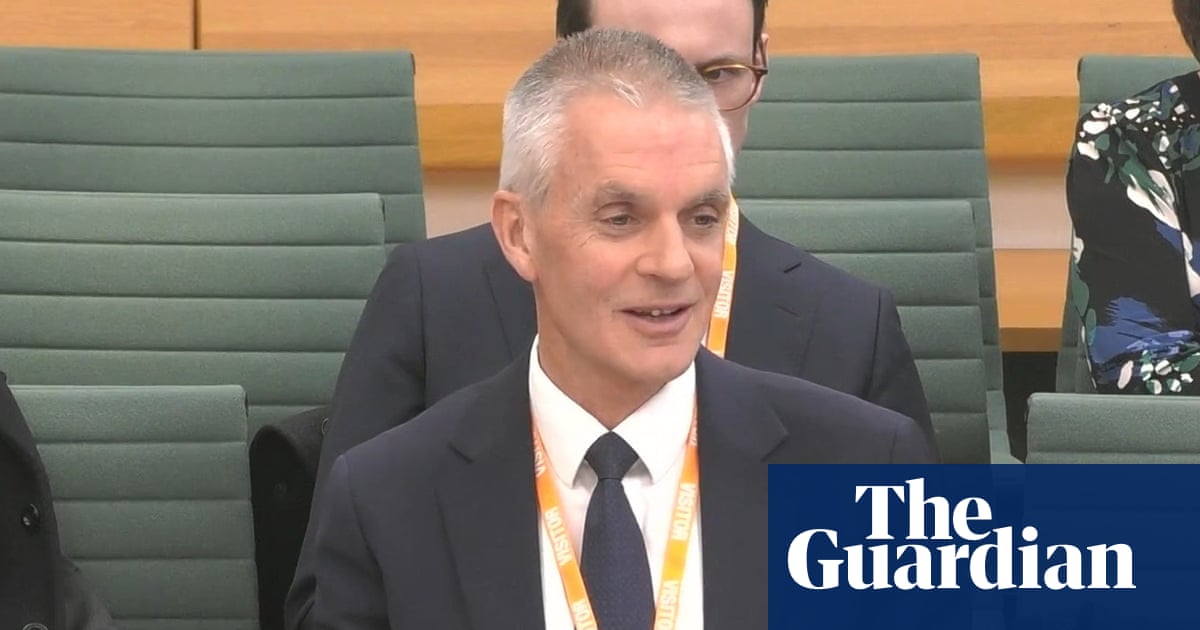
Speaking before MPs during a discussion on the BBC’s counter-misinformation efforts, Davie acknowledged the pressure he faces to leave the platform but maintained his position that the broadcaster must continue reaching vulnerable young audiences worldwide.
“We need to be on these platforms. We need to give quality information on to these social media platforms, bring people in. I actually think that’s critical, because otherwise the Chinese, the Iranians – they’re flooding the zone,” Davie told the committee. “They’re investing very hard.”
Davie’s stance comes amid growing criticism of X under Musk’s ownership, which critics say has shifted significantly rightward since his 2022 takeover. The platform is currently facing intense backlash over a wave of inappropriate images generated by its Grok AI tool, which has reportedly created digitally altered photos of women and children with their clothes removed.
This controversy has already prompted several high-profile departures from the platform. Former transport secretary Louise Haigh announced she was leaving X, describing it as “utterly unusable” since Musk’s acquisition and calling on government institutions, including the BBC, to follow suit.
“The revelations around the enablement, if not encouragement, of child sexual abuse mean it is unconscionable to use the site for another minute,” Haigh stated. “I would urge the government and all public bodies to remove themselves entirely from X and communicate with the public where they actually participate online and can be protected from such illegality.”
The Commons women and equalities committee has already ceased using the platform in response to the Grok AI controversy, and discussions are underway in Westminster about the benefits of maintaining a presence on the site.
Prime Minister Keir Starmer has also taken a firm stance, calling X’s content “disgraceful” and “disgusting” while announcing that he has asked communications regulator Ofcom to consider all possible options for addressing the situation. “X has got to get a grip of this. We will take action on this, because it’s simply not tolerable,” the Prime Minister said.
Despite this pressure, Davie, who resigned as BBC director general in November but remains in position until a successor is appointed, emphasized the strategic importance of maintaining the broadcaster’s presence on these platforms. He noted that a majority of 16 to 34-year-olds still engage with BBC content weekly.
The BBC executive’s comments came as part of a broader discussion about the escalating threat of global misinformation. Davie described disinformation as “utterly rife,” with Russia, China, Iran, and other nations investing billions in media to advance their geopolitical objectives.
“The stakes – in my lifetime – have never been higher,” Davie told the Commons public accounts committee.
The BBC is currently lobbying for tens of millions of pounds in additional investment for its World Service, which executives describe as the minimum required to maintain current service levels. This follows previous cuts that resulted in over 100 job losses.
Jonathan Munro, the interim head of BBC News, echoed concerns that the world has entered what MI6 chief Blaise Metreweli recently described as the “space between peace and war,” making reliable information dissemination increasingly crucial.
Fiona Crack, the World Service controller, revealed that approximately one-fifth of the World Service’s language services already face “hostile interference” from state actors attempting to block their broadcasts, including “throttling” – a technique that restricts internet access to hamper content delivery.
The debate highlights the complex balance media organizations like the BBC must strike between maintaining reach on problematic platforms and taking ethical stands against concerning practices, particularly as global information warfare intensifies.
Fact Checker
Verify the accuracy of this article using The Disinformation Commission analysis and real-time sources.

4 Comments
Interesting move by the BBC to stay on X despite the misinformation concerns. They make a fair point about needing to counter narratives from other state actors. However, the AI controversy is worrying and could undermine their credibility if not addressed properly.
The BBC’s strategy to remain on X despite the challenges is an interesting one. While I can see the value in providing authoritative content, the platform’s issues with AI-generated images are very troubling. This will be a delicate balancing act for the BBC.
As a major global news source, the BBC’s continued involvement on X is understandable. However, the platform’s troubling issues with inappropriate AI-generated content are concerning. The BBC will need to carefully navigate this while upholding its journalistic standards.
The BBC’s stance highlights the difficult balance between engaging with younger audiences on social media versus the risks of amplifying harmful content. Maintaining a presence to provide reliable information is important, but they’ll need to be vigilant about content moderation.