


Listen to the article
BBC Launches Media Literacy Series to Help Teens Navigate Online Misinformation
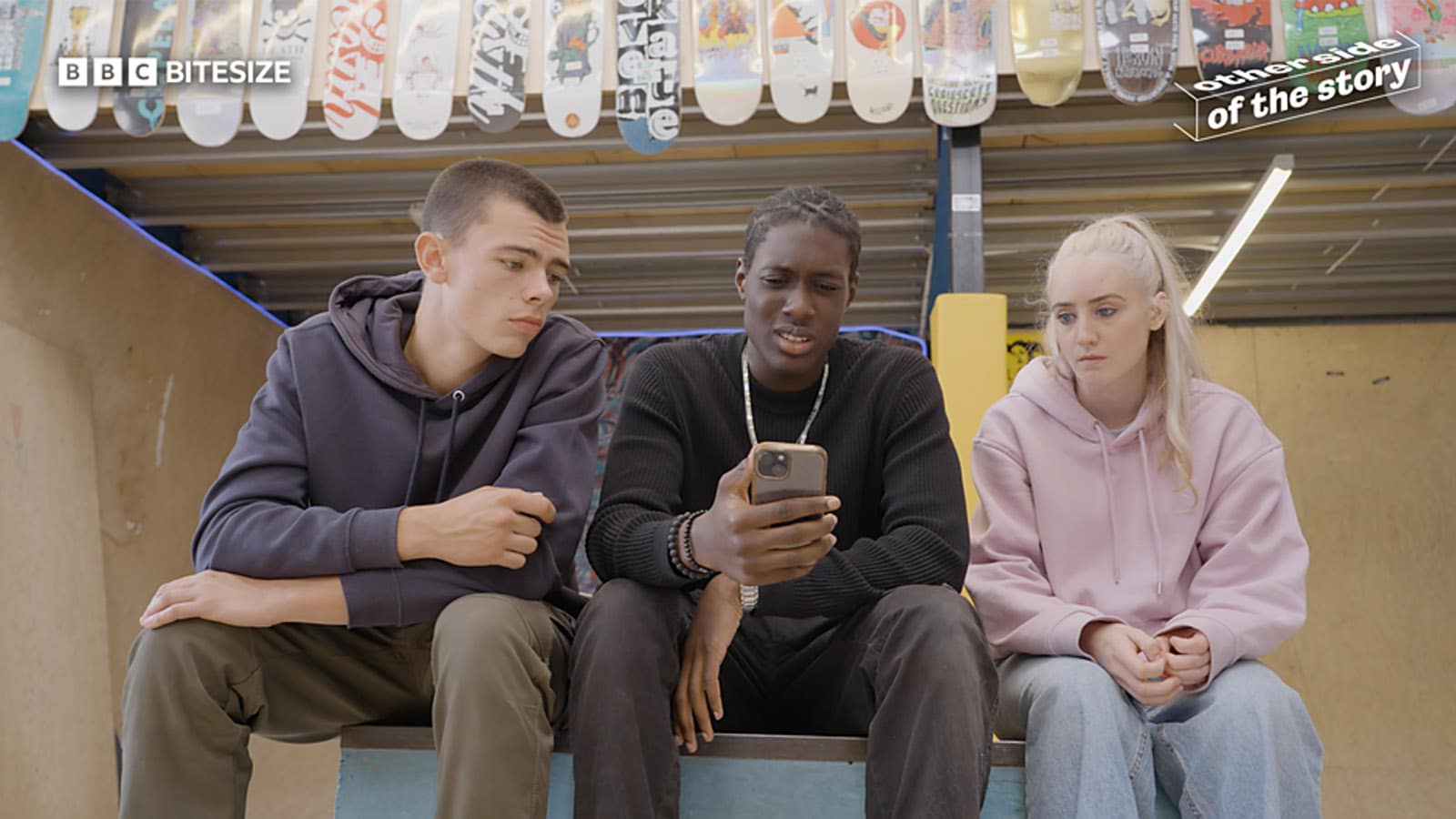
A new educational series aimed at helping teenagers distinguish between fact and fiction online has been launched by BBC Children’s and Education. The six-part program, “Solve The Story,” provides students and teachers with practical tools to combat the growing challenge of misinformation and disinformation in the digital age.
The initiative comes in response to BBC Bitesize research revealing a significant gap in educational resources for teaching critical thinking and media literacy in schools. According to the survey, while critical thinking is now considered the single most important skill for young people to develop, one in three teachers report difficulties teaching it due to time constraints, insufficient resources, and curriculum pressures.
These challenges emerge as teenagers increasingly struggle to manage the overwhelming volume and complexity of online content. Amy, an English teacher from Manchester, highlighted a concerning trend among her pupils: many believe they’re “too smart” to be deceived by fake content online.
“They’ll laugh at obviously fake AI videos and say, ‘that’s so AI’, but underneath that is a belief that they can’t be fooled,” she explained. “If I tell them something isn’t real, they argue back. They think teachers don’t understand technology, and they automatically trust what they see online more than what we tell them.”
The teacher noted that students have submitted essays referencing conspiracy theories promoted by controversial influencers like Andrew Tate, whose opinions are often presented as facts. “It’s frightening how quickly those ideas embed,” she added.
This educational need is further underscored by findings from the Bitesize Teen Summit with Radio 5 Live, where two-thirds of teenagers expressed concerns about fake news and online misinformation. Many reported that such content causes confusion and contributes to rising levels of stress and anxiety.
Patricia Hidalgo, Director of BBC Children’s and Education, emphasized the critical nature of the initiative: “In today’s digital landscape, media literacy isn’t a luxury, it’s a necessity. Solve The Story will help schools to equip young people with the critical thinking tools they need to navigate online content confidently, verify what they see, and protect their mental well-being.”
The series adopts an engaging mystery format where characters apply media literacy skills to uncover truths by analyzing sources, questioning assumptions, identifying deepfakes, challenging viral claims, and recognizing bias. Each episode comes with comprehensive teacher resources, including “how-to” guides offering clear, practical steps for classroom implementation.
“They love short-form content, and this format suits their attention span,” observed Amy. “If teachers show it to them, it will help them stop and question things instead of just accepting whatever they scroll past. They won’t look for it themselves, so teacher buy-in is essential, but once it’s in front of them, it will click.”
“Solve the Story” represents the first classroom-focused content series from Bitesize’s “Other Side of the Story” initiative, which launched in 2021 to help students develop more critical approaches to online information consumption.
The timing of this educational series coincides with growing concerns about AI-generated content across social media platforms. Recently, X (formerly Twitter) limited image editing capabilities of its Grok AI tool to paying subscribers only, following reports that the assistant had generated inappropriate sexual imagery, including content involving minors. The Internet Watch Foundation confirmed its analysts had discovered “criminal imagery of children […] which appears to have been created using the tool.”
By requiring payment for access to these AI features, X now maintains users’ identification and payment information in their systems, creating a level of accountability for those utilizing these powerful image generation capabilities.
Fact Checker
Verify the accuracy of this article using The Disinformation Commission analysis and real-time sources.

16 Comments
Kudos to BBC for taking this proactive approach. Media literacy is an essential life skill in the digital age, and tackling it head-on in schools will pay dividends down the line. Looking forward to seeing the impact of this program.
Absolutely. Empowering the next generation to be discerning consumers of online content is crucial. This initiative could set a valuable precedent for other educational institutions to follow.
This is a timely and much-needed response from BBC. The proliferation of misinformation, especially among impressionable young people, is a major societal challenge. Glad to see practical steps being taken to address it.
Agreed. Misinformation is a growing scourge, and tackling it at the educational level is a smart move. Equipping students with the critical thinking skills to navigate the online world is crucial.
Interesting that students think they’re immune to online deception. Overconfidence can be a dangerous trap – even the savviest internet users can fall victim to clever misinformation tactics. This program sounds like a valuable reality check.
Absolutely, that overconfidence is concerning. Teens need to understand that even the most tech-savvy can be susceptible to manipulation online. Robust media literacy training is key.
Impressive to see BBC taking such a proactive stance on media literacy education. Cultivating critical thinking skills in the face of online misinformation is one of the defining challenges of our time. This program could make a real difference.
Absolutely. Equipping young people with the ability to discern fact from fiction online is an essential life skill in the digital age. Kudos to BBC for recognizing the need and taking action.
It’s concerning but not surprising to hear about students struggling to distinguish fact from fiction online. The digital landscape can be a minefield, and this program sounds like a valuable way to help them develop those essential skills.
Absolutely. Building media literacy from an early age is key to preparing young people for the realities of the modern information ecosystem. Kudos to BBC for taking this important step.
The Matrix reference in student essays is a telling sign that young people are grappling with the blurring lines between reality and fiction. This initiative could really help them develop the critical thinking skills to navigate that.
Good point. The Matrix analogy highlights how easily young minds can be drawn into conspiratorial thinking online. Equipping them with practical tools is a smart move by BBC.
This is an important initiative by BBC to help young people navigate the complex online landscape and identify misinformation. Teaching critical thinking skills is crucial as students are increasingly exposed to a deluge of digital content.
I agree, the ability to discern fact from fiction online is a vital skill for the digital age. Glad to see BBC taking proactive steps to address this challenge in schools.
The Matrix reference in student essays highlights just how pervasive and influential online misinformation can be, even among the tech-savvy younger generation. This initiative could be a game-changer in equipping them with the tools to think critically.
Great point. The Matrix analogy speaks to how compelling and seductive disinformation can be. Giving students the skills to navigate that is crucial, and this program could have far-reaching impacts.