


Listen to the article
In a bid to combat the rising tide of misinformation in Indonesia’s digital landscape, the government has launched an intensified public education campaign, with a particular focus on health-related falsehoods that have gained traction online.
The Government Communications Agency (BKP) is spearheading this initiative, calling for greater collaboration between officials and media professionals to prioritize accuracy over sensationalism in news reporting.
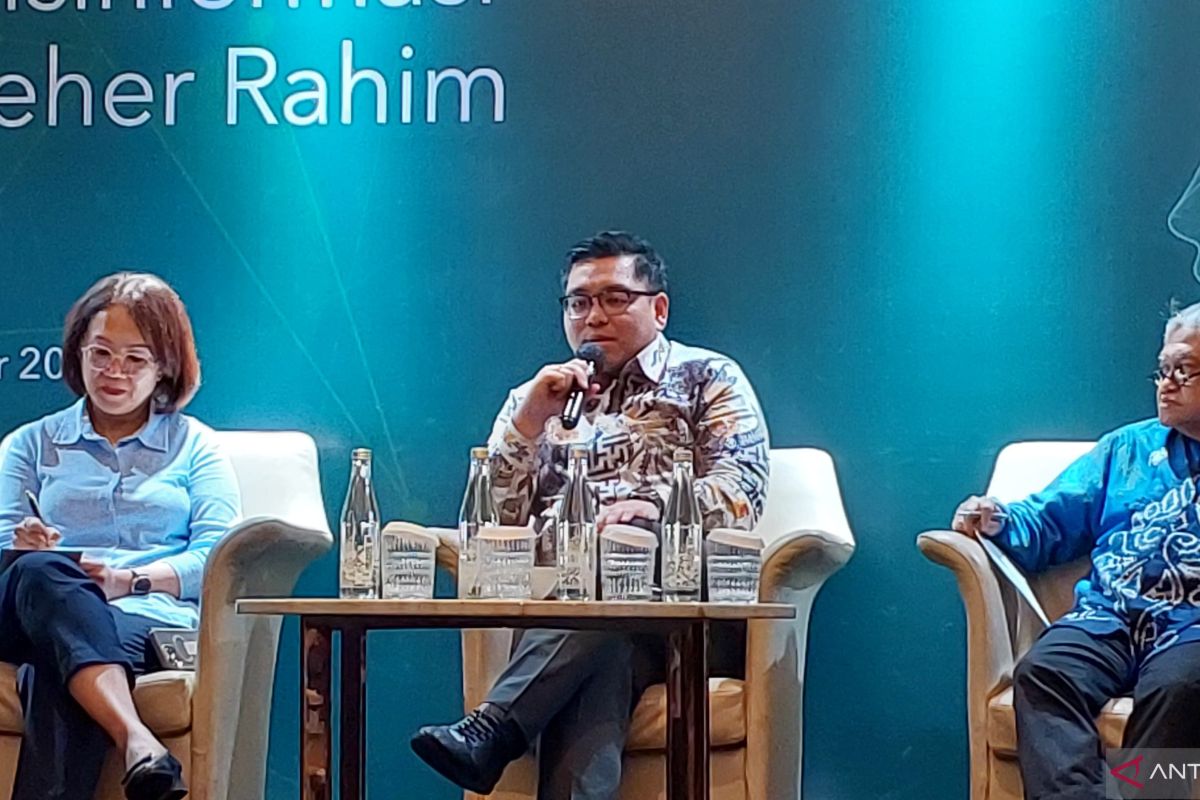
“Let’s work together to counter so-called clickbait, or headlines that only attract digital attention,” urged Noudhy Valdryno, BKP Deputy for Dissemination and Media Information, during a discussion on misinformation about cervical cancer held in Jakarta on Monday.
Valdryno highlighted how Indonesia’s vast digital ecosystem and the sheer volume of content shared across social media platforms have left many citizens vulnerable to misleading information circulated by unscrupulous actors. The problem has become particularly acute in the health sector, where misinformation can have direct consequences on public health outcomes.
To address these challenges, the BKP has established partnerships with various ministries and government institutions to deliver educational content through official channels. A key component of this strategy involves engaging journalists to help disseminate verified information on priority topics including anti-corruption initiatives, economic developments, and health issues.
“We must not present headlines that provoke emotions and lack credibility. Our task is to improve the quality of public communication across the government,” Valdryno emphasized.
The government’s approach includes strengthening effective digital communication strategies to ensure that verified information from credible sources can effectively counter controversial content that often dominates online discussions. This involves not just publishing accurate information but ensuring it reaches the intended audiences.
Valdryno also noted that social media algorithms have recently been adjusted to reduce users’ exposure to political content in favor of entertainment content, potentially changing how information reaches the public. This shift in the digital landscape presents both challenges and opportunities for government communicators.
In response to specific concerns about health misinformation, several ministries have established dedicated fact-checking facilities available to the public. These resources have proven particularly valuable for addressing misconceptions about health interventions such as the HPV vaccine for cervical cancer prevention.
The spread of vaccine misinformation has been a persistent problem in Indonesia, affecting public health campaigns and potentially contributing to vaccine hesitancy. By providing easily accessible, credible information through these fact-checking platforms, the government aims to build public confidence in evidence-based health interventions.
Beyond government agencies, the anti-misinformation campaign has also engaged academic institutions. Researchers and scholars are providing recommendations to strengthen the effectiveness of these efforts, bringing evidence-based approaches to the challenge of countering false information.
This comprehensive approach reflects recognition at the highest levels of government that misinformation is not merely a communications issue but a significant challenge to public policy implementation, particularly in the health sector.
The initiative comes at a time when digital literacy has become increasingly important across Southeast Asia. Indonesia, with its large and growing internet user base, faces particular challenges in ensuring its population can distinguish between reliable information and misleading content designed to generate clicks or advance hidden agendas.
As the campaign develops, officials emphasize that success will require sustained collaboration between government agencies, media organizations, academic institutions, and civil society to create an information ecosystem that values accuracy and responsibility over sensationalism.
Fact Checker
Verify the accuracy of this article using The Disinformation Commission analysis and real-time sources.
